
Carrying a legacy forward means always learning, experimenting, and keeping pace with how the market evolves. Meet REBECCA RAU, the fourth-generation antiquaire, jewellery dealer and designer at M.S. Rau Antiquaires, the renowned New Orleans gallery known for its world-class art collection, rare antiques, and jewellery. Having grown up among art and artefacts, Rebecca has a natural scholarly bent of mind and a keen eye for beauty. She earned her Master’s degree from Sotheby’s Institute of Art in London and has travelled extensively across Europe and Asia, acquiring rare jewels and objets d’art for M.S. Rau, while cultivating her curatorial sensibilities, carrying the past forward.
She also explored jewellery design, including a special collaboration with the distinguished jewellery house Oscar Heyman to celebrate the 110th anniversary of both companies.
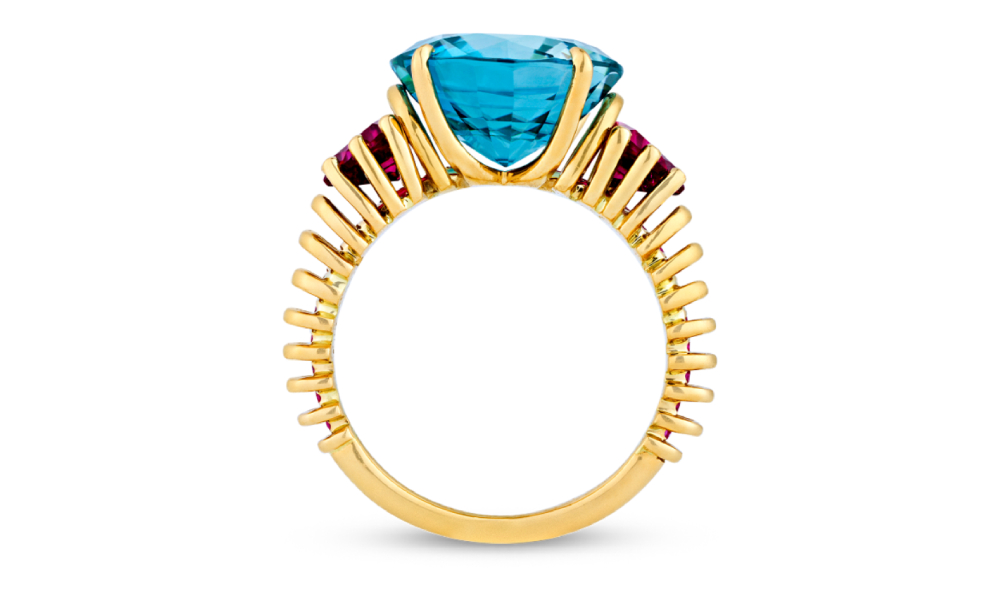
The New York-based designer continues to channel her experience into jewellery design. Her creations are refined yet playful, inviting collectors into a world of distinctive ornaments that bridge past and present. With her latest collection, THEN & NOW, she translates her fascination with the past into wearable works of art that transcend time. Rau believes her work dissolves the distance between museum and wearer, transforming artefacts once kept behind glass into intimate, living works of art.
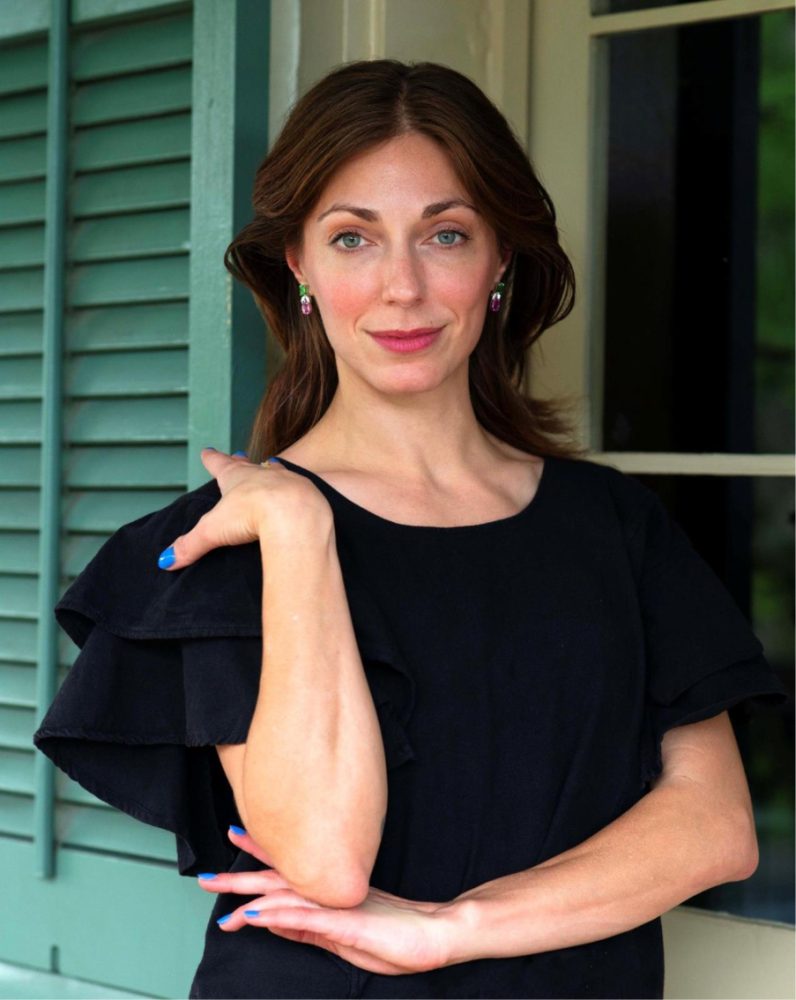
As a fourth-generation jeweller and antiquaire leading M.S. Rau’s jewellery division, you have been surrounded by art, history and rich culture… what core value from your great-grandfather continues to guide you today?
We like to say, “Buy the best and only cry once.” It truly pays to invest in quality, whether that’s your team, inventory, or your legacy. I try to keep this motto in mind and work with the most interesting artefacts, gems, and jewellers I can find—and trust that there will be reward for these efforts!
Was there a defining moment in your early years— perhaps a particular piece or client—that made you realise antique jewellery was your calling?
To be frank, it was an evolution. But, as someone who values proximity to art, I slowly decided that wearable art is the most compelling and personal. Plus, I just adore that jewellery is man’s collaboration with nature and incorporates some of the most beautiful riches of the earth.
Getting your Master’s at Sotheby’s, and then curating exhibitions across jewellery, art, and design must have been quite an engaging experience. Tell us about your learnings from that period that continue to shape your eye for exceptional pieces today?
Research and curating have enabled me to look for unexpected connections between diverse sets of objects. It taught me to tease out stories found between two gems, objects, or artworks, which very much has informed how I work today. It also shaped my love for immersive spaces that evoke a certain mood or period. If a museum ever decides to make an exhibit about my jewels, I’ll have plenty of ideas on how to stage it!
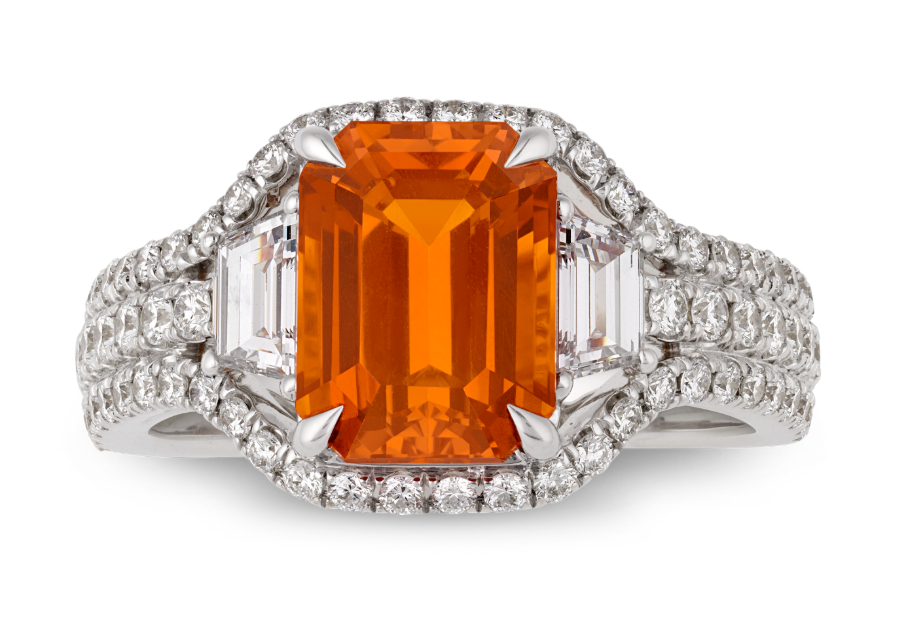
Your collaboration with Oscar Heyman marked a brilliant meeting of two historic legacies. How was that creative exchange, and how did it influence your appreciation of craftsmanship or design storytelling?
I was particularly inspired by their archives of about a quarter million historic designs. There was something so intimate about these humble yet beautiful drawings. Despite the large reach of their brand, and the collaborative nature of jewellery manufacturing, you can envision a single artist dreaming up their magical ideas, putting them onto paper and slowly, over time, seeing them come to life. It certainly contributed to my interest in thoughtfully pursuing my own design concepts and narratives, in a slow and studied way.
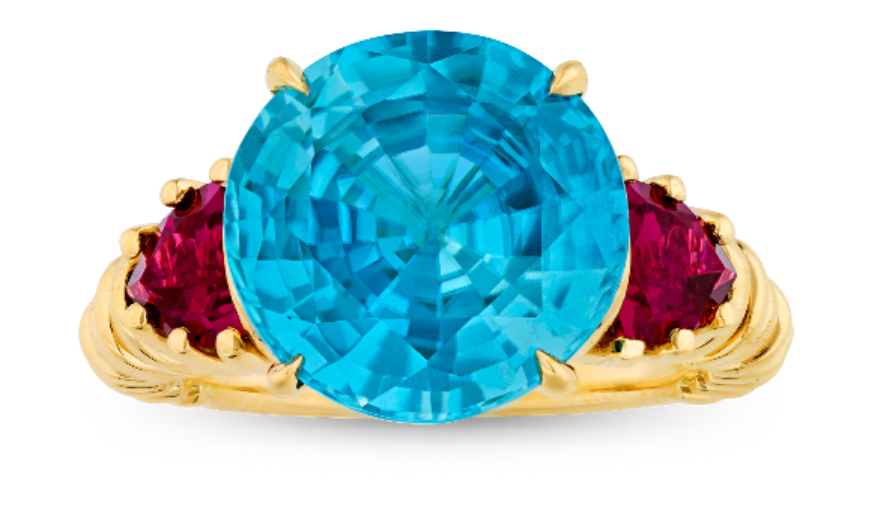
When did you first feel drawn to designing jewellery yourself, and how would you describe your creative process—from the first spark of an idea to the final piece?
I’ve actually made some form of jewellery or wearable art throughout my life! Though, when I was younger, they were more of craft projects than high art. For me, ideas tend to first emerge from a material – a glittering gem or an interesting artefact. From there, I sketch and play with the objects in my vault to work on potential designs. Sometimes though, I may immediately visualise a design in my head for a completed piece, without needing to study it at length. But I enjoy the learning process, as it helps me to intimately understand something, which then enables me to really bring it to life.
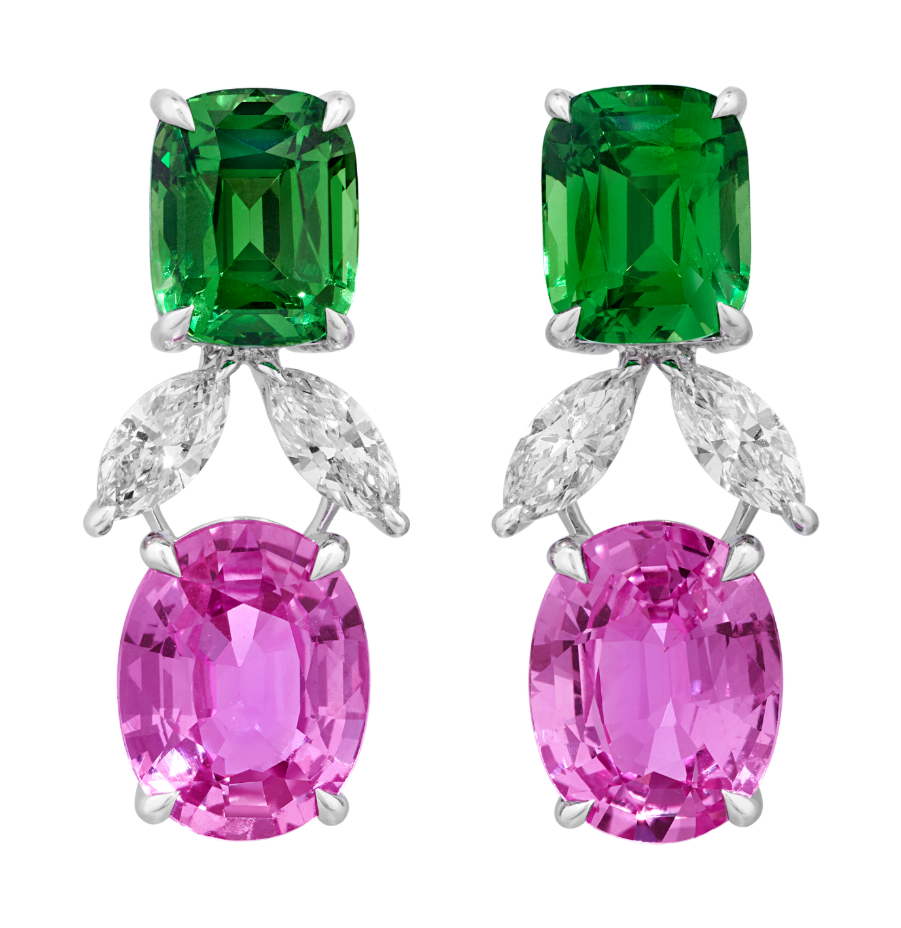
Your haute joaillerie pieces blur the line between adornment and art. What drives you to create such statement works—is it the character of the gemstones that lead the design, or a vision you aim to bring to life through them?
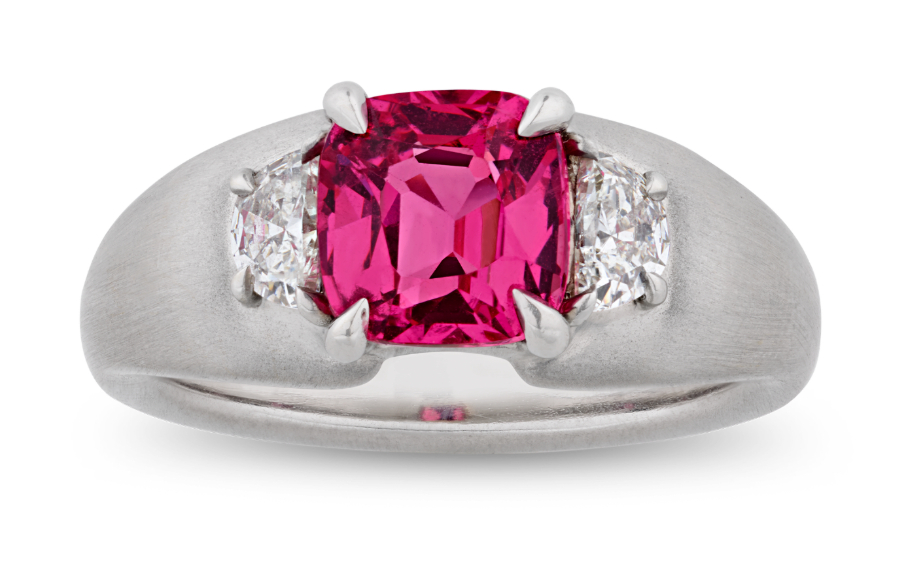
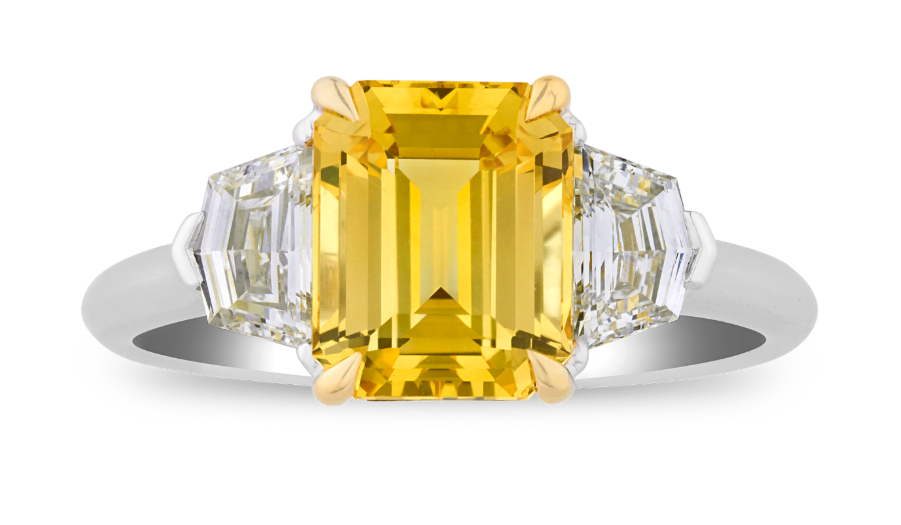
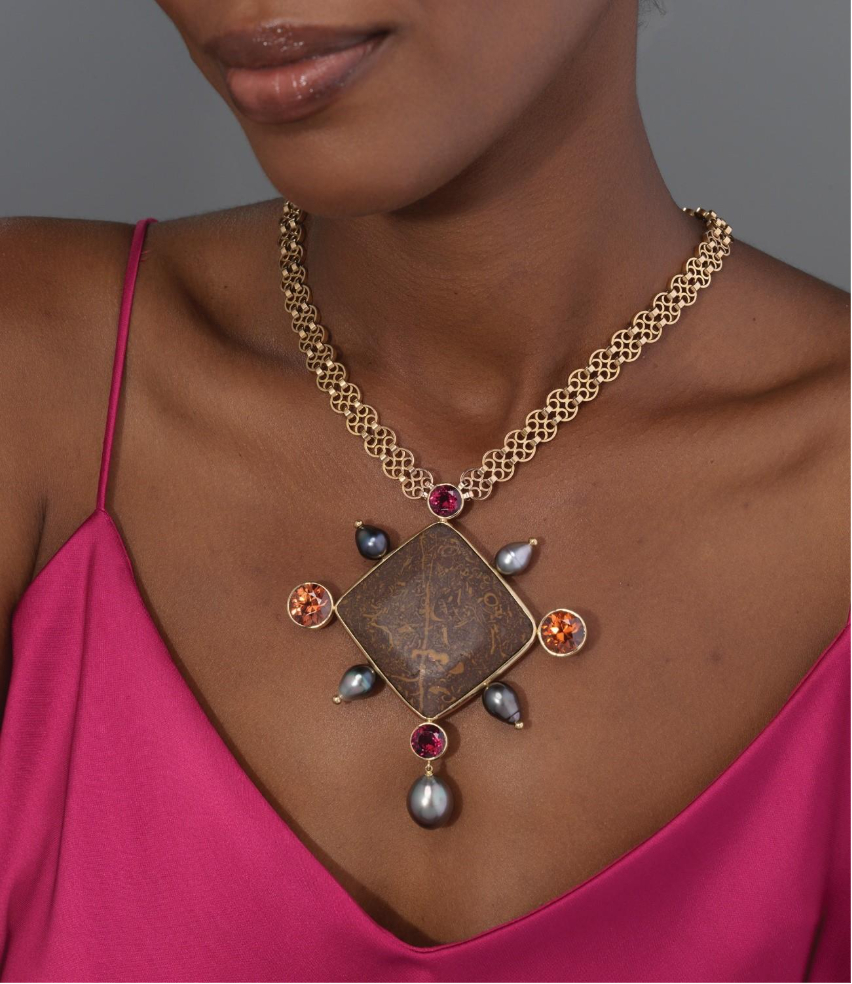
For the gem-forward haute joaillerie pieces, it’s the gemstones themselves that drive the designs. I look for stones that metaphorically jump out of their display cases, even if they’re exhibited amongst hundreds of other gemstones. My eye has always been drawn to ultra rich hues, and the THEN & NOW collection enables me to work with some of nature’s wildest creations. It is my humble attempt to do them justice when transformed into something wearable.
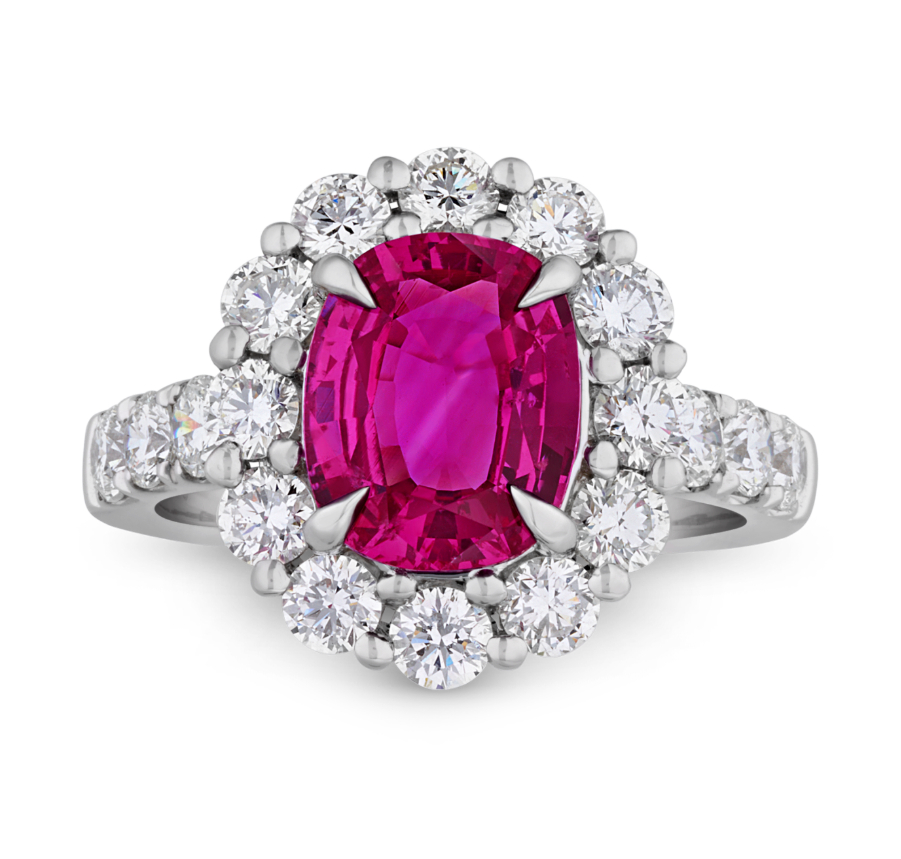
Many collectors now discover antique jewellery through Instagram. What are three common myths you like to clear up when meeting a new client?
Jewellery production is incredibly labour-intensive, with vast amounts of specialised talent and time required for each step in the process. Jewellery is not expensive because it’s arbitrarily classed as luxury; there’s so much expertise and labour poured into it in addition to the material value of the gems and metals.
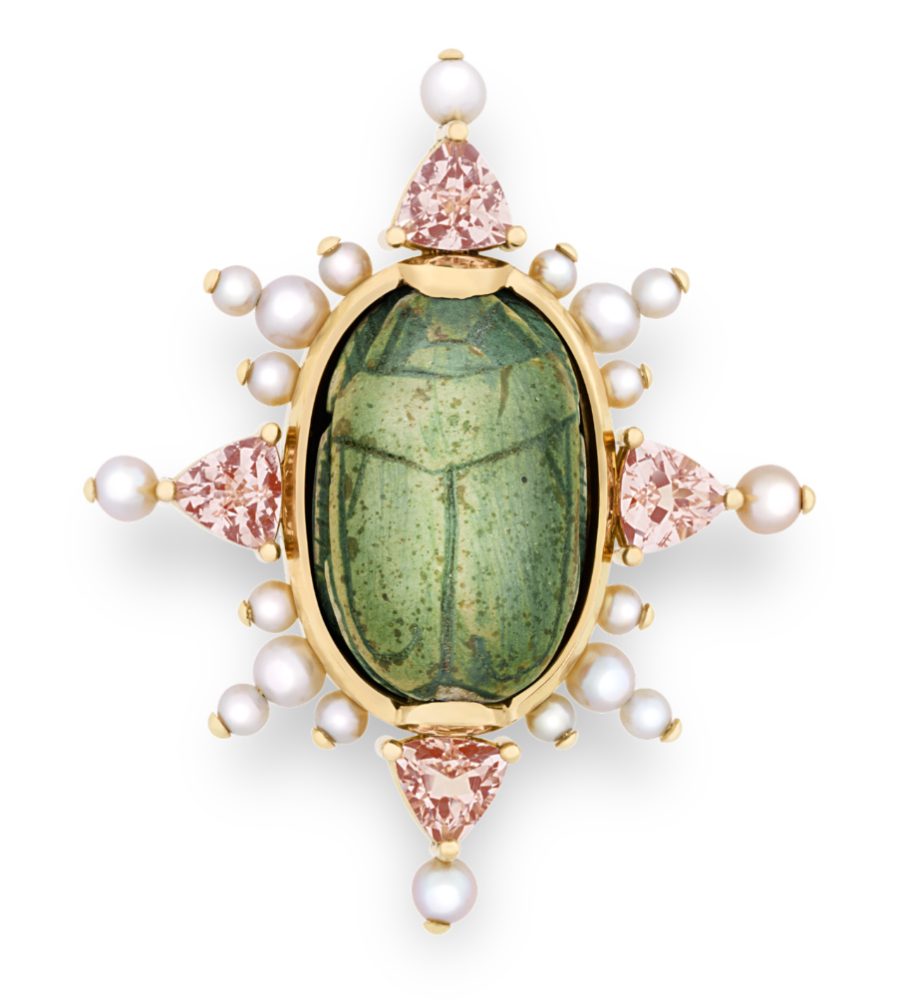
Reworking antique or ancient jewellery or artefacts is a tradition as old as time; reinventing a piece does not mean destroying it.
What is your take on lab-grown diamonds?
The lab-grown diamond market is not destroying the natural diamond market!
If you could add one dream masterpiece to the M.S. Rau collection—no matter the cost or ownership—which would it be, and what would it mean for the gallery’s legacy?
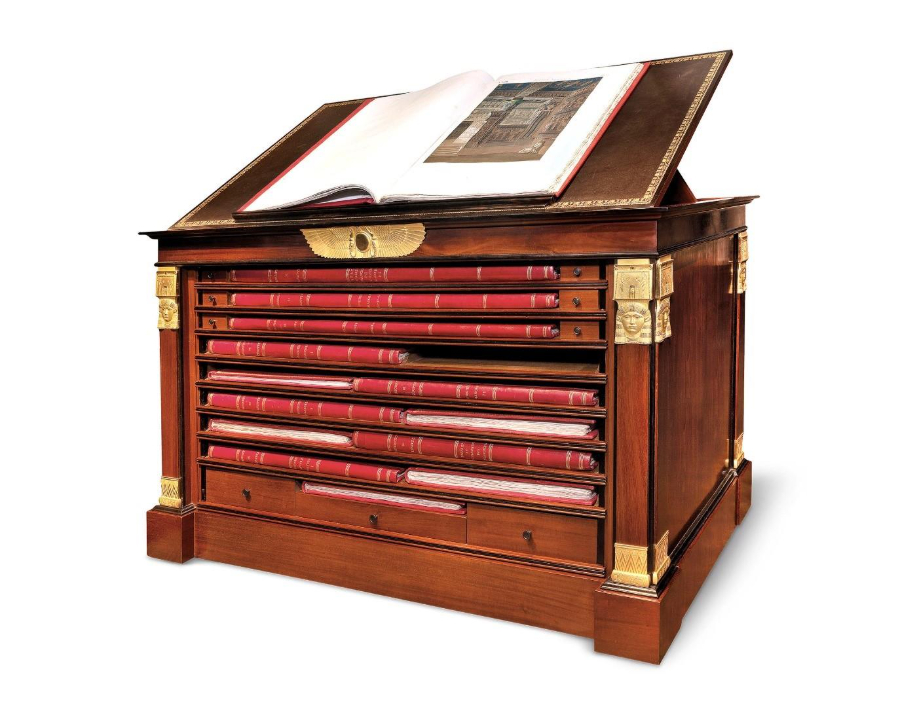
This is truly an impossible question for me! However, here’s a past inventory item I wish we had kept. We love Napoleonic history given the Louisiana connection, and once had a full 34-volume first edition set of the Description de l’Egypte, Napoleon’s comprehensive study of ancient and modern Egypt. It began during Napoléon’s Egyptian campaign in 1798 and took over 20 years to complete. The set features over 800 large scale engravings and the case is stored in a custom-fitted cabinet. I adore this painstaking study of history, in spite of Napoleon’s perhaps questionable motives in Egypt.
With big auction houses leading the top-tier jewellery market, how does M.S. Rau continue to stand out and keep clients loyal?
I’m certainly biased, but I think we provide a more personalised and memorable experience. If you are visiting a jewellery preview, you don’t always have the opportunity to immerse yourself in collections of antiques and art as well. Plus, we spend more time researching each object in the collection since we aren’t on a tight sale-schedule deadline, and hence can really tell each collection piece’s story properly.
Finally, when the next generation takes over, what one line of advice would you leave behind for them inside the vault?
Don’t be afraid to create something unconventional! There is so much jewellery in this world, and we need more designers taking risks and trying the unconventional.