
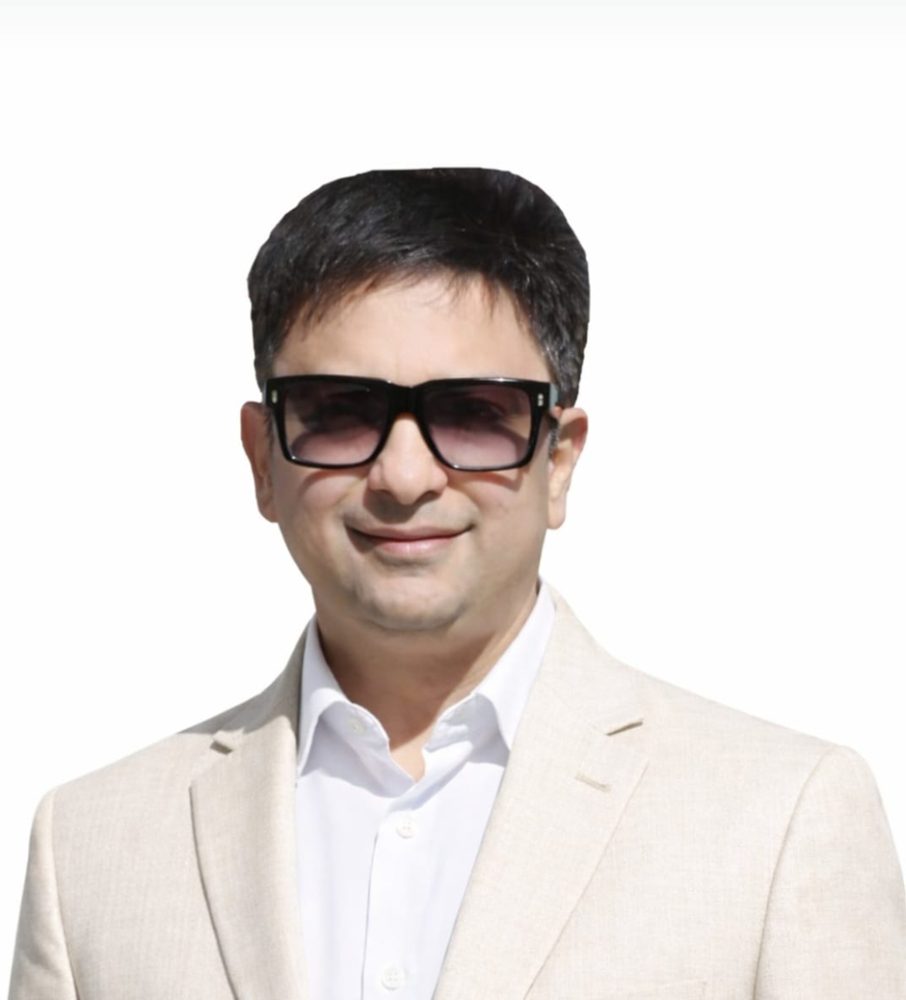
Vivek Shah, Founder of Karma Designs, Ahmedabad, a long-time exporter of high-end sterling silver and studded gold jewellery into Germany, the UK and other nearby European regions for 23 years, welcomes the historic India-EU free trade pact and reflects on how the trade pact will open doors for many medium and small-scale Indian exporters to reach new markets across Europe. Based on his interactions with clients in the region, he observes …
Europe is a diverse market with distinct aesthetics and consumer preferences. Based on your 23 years of experience, how can Indian exporters better understand the European buyer’s mindset and design expectations?
The beauty of Europe is that it is like many markets rolled into one with distinct design aesthetics. Northern Europe and Southern Europe is different in terms of aesthetics, and Germany has its own distinct way of purchasing and ordering. Taken together, Europe is an extremely important market for India. Hopefully, with the new trade deal, we will now be able to reach even the interior regions of Europe.
European buyers generally take more time to decide when making deals. They look for extremely high quality, and don’t compromise on any aspect of its aspects—be it settings, gemstones, diamonds, or finishes. Also, their quantities are not huge. They usually buy mixed assortments and are extremely particular about design.
But once they filter out these parameters and select their partners, they genuinely look for long-term relationships.
That is starkly different from the US market, which is unpredictable — a vendor may buy from you today, but move on tomorrow. This is why we enjoy working with European buyers because they value continuity and build business relations that last long.
So, if we want to export to Europe, we must be certain that we can deliver the level of service they expect — especially in design development. We need strong insights, deep product knowledge, and the ability to work at a detailed design level.
Once the FTA is applicable, we will also exploring sourcing certain raw materials such as gemstones, gold chains, locks and clasps from Italy. That, too, can become a huge win-win situation.
Having exported to European markets for over two decades, how much of an increase in export growth (in percentage terms) do you anticipate following the signing of the EU–India FTA?
We expect an increase 20% to 25% to EU nations in the near future.
What do you see as the key strengths of Indian jewellery exporters today, and how are Indian manufacturers and brands currently perceived by buyers and partners in Europe?
Indian companies go to great lengths when it comes to servicing customers. We genuinely ensure that we don’t let them down – whether it is design development or technical modifications.
Europeans appreciate this approach and they value transparency in dealings.
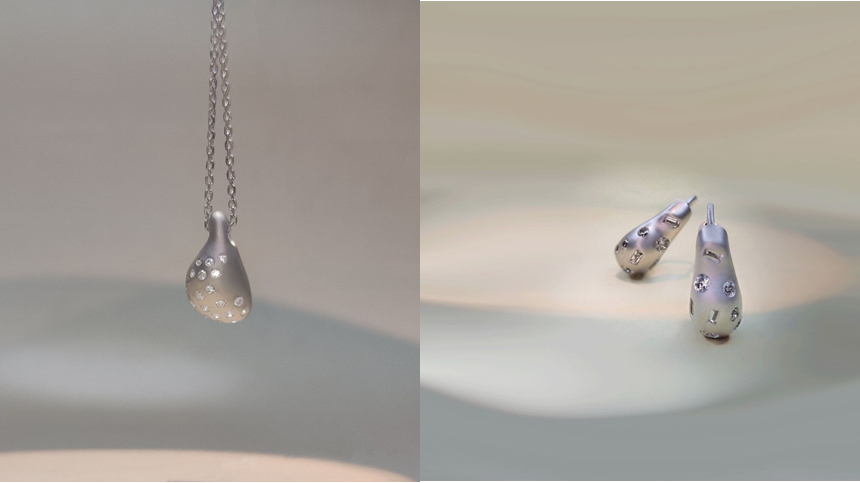
I believe that is one of the key reasons we have been exporting our high-design sterling silver and gem-studded silver and gold collections to the region for more than two decades, even before this landmark trade deal was signed.
Now our path will be smoother and open more avenues for future growth, thus doubling our current exports to the region in a few years!
Overall, the FTA will push the entire gem and jewellery sector towards higher-end positioning, better quality standards and broader design appeal, while making exports more profitable and sustainable.