
As we gather in Mumbai under the esteemed Chairmanship of India and the stewardship of the Gem & Jewellery Export Promotion Council (GJEPC), the global diamond industry stands at a historic crossroads. India remains the heartbeat of the diamond world, polishing nearly nine out of every ten stones on earth, and is the most fitting stage to discuss the dual pillars that will define our industry’s future: the absolute necessity of trade facilitation and the uncompromising rigour of our compliance frameworks.
My perspective, shaped by my roles within the Kimberley Process (KP), is that global confidence in the diamond pipeline is a continuous, proactive commitment rather than a static achievement. Today, the industry is navigating one of the most significant shifts on the supply side witnessed in the last 20 years. This occurs alongside headwinds ranging from macroeconomic volatility and the rise of laboratory-grown diamonds (LGDs) to increasingly complex geopolitical sanctions. To navigate this transformation, we must ensure the foundations of the diamond trade are solid for legitimate players and impenetrable to illicit actors.
In our pursuit of a more secure pipeline, we must acknowledge the transformative leap made possible by technological innovation, most notably the introduction of Verifico. As a world-first digital solution for the industry, Verifico represents a paradigm shift in compliance and provenance management, serving as an integral building block for an industry embracing a more digitally enabled Web3 world. By replacing fragmented, manual verification with a unified, digital identity for diamond shipments, Verifico has effectively digitised trust.
Beyond securing data, Verifico eliminates the administrative bottlenecks that have historically slowed trade between mining nations and manufacturing hubs like Mumbai. For the first time, stakeholders across the entire value chain, from miners and regulators to banks and retailers, can access a single, decentralised source of truth. This transparency is exactly what the modern market demands, providing the immutable infrastructure necessary to safeguard against the infiltration of illicit stones.
In the current climate, trade facilitation is often misunderstood as solely an accelerator. In reality, true facilitation means removing low-value friction, i.e., the manual, bureaucratic, and outdated processes that add cost without adding security.
We have seen how the digitisation of trade, particularly through electronic certification for KP processes, can transform a hub. High-velocity ecosystems thrive when supported by robust digital infrastructure, such as platforms that ensure the seamless registry of ownership and pledge of stored commodities. Moving forward, next-generation financial technology rails will be required to bridge the gap between physical trade and digital finance. For the global pipeline to remain healthy, this level of efficiency and transparency must be mirrored across all major nodes, particularly in India’s manufacturing centres and Africa’s mining nations.
We must advocate for a global standard where the movement of stones is supported by modern logistics, transparent tax regimes, and reliable digital infrastructure. When trade is facilitated correctly, it empowers artisanal miners in Africa, providing direct access to world markets while ensuring a fair share of the value chain remains at the source. This is not just an economic goal, but a moral imperative.
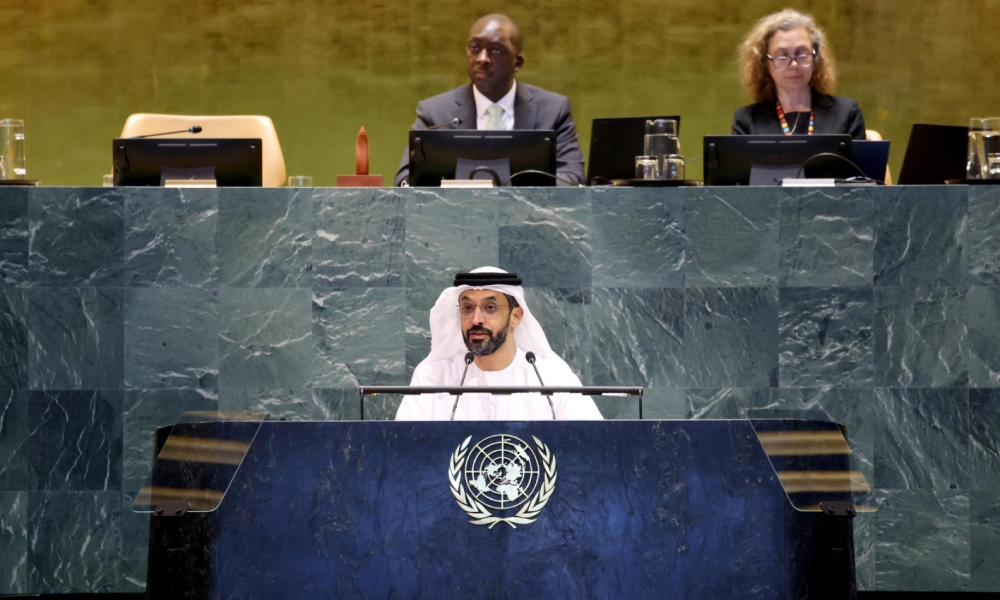
Confidence is the ultimate currency of the luxury sector. In a world where modern consumers, particularly Millennial and Gen Z buyers, demand to know the story of their diamond, compliance moves from a back-office requirement to a competitive advantage. As the 2025 Custodian Chair of the KP, I recognise that the Kimberley Process Certification Scheme (KPCS), while the foundation of our industry’s integrity, must continue to evolve. Foremost among the reforms required is ensuring that the definition of conflict diamonds reflects the realities of modern conflict and social responsibility.
Furthermore, we must address the provenance gap. Recent geopolitical developments and resulting sanctions have created a fragmented market. Our response should be the standardisation of traceability, a strategy which will require the industry to converge on a unified, tech-enabled framework that proves origin without crippling trade flows. By strengthening the KP, we ensure that no stone of illicit origin can enter the mainstream, protecting the reputation of every legitimate stakeholder.
We cannot discuss the diamond pipeline in Mumbai without addressing the diverging paths of natural diamonds and LGDs. The industry must be transparent and disciplined in its disclosures. Trade facilitation and compliance frameworks must clearly distinguish between these two products. Natural diamonds carry an inherent value of rarity and a profound socio-economic impact on mining communities, while LGDs are a product of human ingenuity rather than geological time. Both have a place in the market, but the integrity of the pipeline depends on the consumer’s ability to trust the distinction. Any blurring of these lines threatens to undermine the confidence we have spent decades building.
India’s Chairmanship of the KP comes at a vital time. As a leader of the Global South, India has the unique ability to bridge the gap between the producing nations of Africa and the consuming markets of the West. This Mumbai-Dubai-Africa corridor is the most important trade axis in the modern industry. We must use this opportunity to reinforce best practice principles across the entire pipeline. This includes ensuring that the benefits of the diamond trade are felt by the millions of people whose livelihoods depend on it, from the Surat polisher to the Angolan miner.
The challenges we face, technological, regulatory, or economic, are significant, but not insurmountable. If we commit to a future where trade facilitation reduces the cost of doing business and compliance frameworks enhance product value, the diamond industry will thrive. Confidence is built on transparency. In Mumbai, let us reaffirm our commitment to a pipeline that is clean, efficient, and beyond reproach, ensuring the diamond remains the ultimate symbol of enduring value and human connection.