
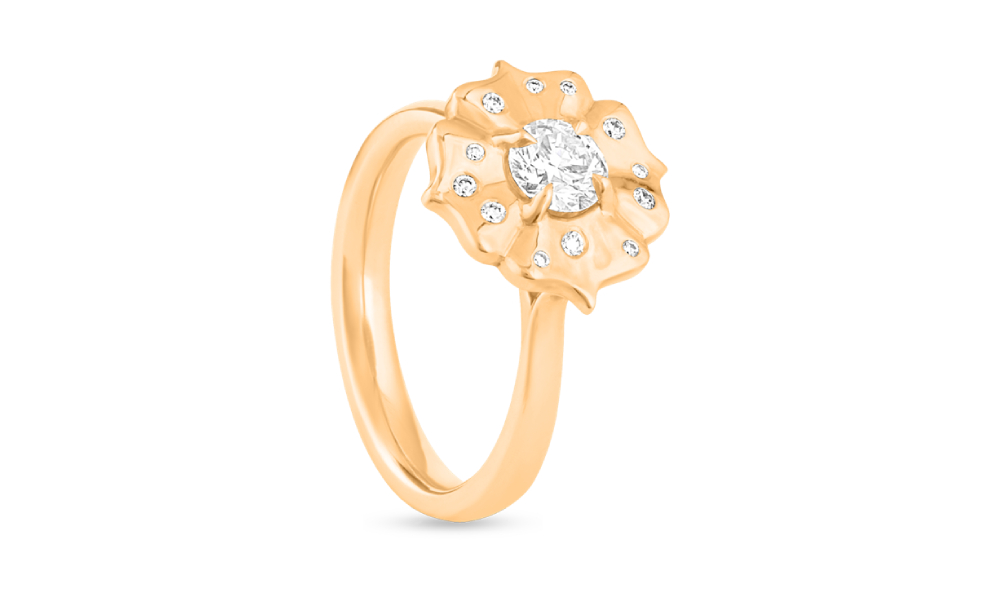
Geopolitical instability is driving extraordinary volatility in jewellery markets, reshaping global supply chains and consumer pricing.
Conflicts like the recent Middle East conflict and shifting US tariffs have contributed to severe fluctuations in precious metals prices, notably gold and silver, forcing jewellery brands to adapt their sourcing and pricing strategies.
Precious metals, particularly gold and silver, sit at the intersection of global finance and jewellery manufacturing.
During periods of heightened geopolitical friction, investors often retreat to “safe haven” assets, such as gold, and silver, which is loosely correlated to gold. The surge in demand can push bullion prices to new peaks.
The 2026 war and subsequent disruptions to oil shipments in the Strait of Hormuz have triggered massive surges in safe haven buying, temporarily pushing spot gold prices well past the $4,000 per ounce threshold.
Gold has also seen periodic reversals, falling sharply in June on changing expectations around US Federal Reserve interest-rate policy, as investors weighed the potential impact of monetary policy on inflation and the broader economy.
While a surging gold price typically boosts the value of inventories, it creates a formidable challenge for the retail jewellery market.
High and rapidly shifting precious metals prices often lead to a direct erosion of consumer jewellery demand.
When raw material costs fluctuate wildly, jewellers face the difficult task of raising retail prices to protect their profit margins without deterring discretionary luxury spending.
Consequently, consumers may delay purchases or shift toward lower-carat or lower-priced alternatives, such as laboratory-grown diamond jewellery, or silver-based pieces to accommodate their budgets.
In the UK market, vermeil jewellery is increasingly popular due to the impact of buoyant gold raw material costs.
Currency concerns can impact jewellery markets.
India, a major supplier of silver jewellery to global markets, is presently facing a shortage of the grey metal, pushing up domestic premiums, following government import restrictions in May, imposed to support the rupee.
Tariffs and new trade routes
Beyond raw material volatility, international trade policies and newly enacted tariffs have profoundly disrupted the jewellery supply chain.
The global diamond trade, in particular, is highly centralized, with over 90 percent of polished diamonds historically processed in regional hubs like Surat, India.
The imposition of steep U.S. import tariffs on goods from countries tied to specific geopolitical alliances, forced an immediate scramble in the industry.
When punitive duties are introduced, the added costs cascade down at every step of the supply chain—from the international supplier and the domestic manufacturer to the final consumer.
To circumvent these massive tariff penalties, major jewellery houses and diamond suppliers have been compelled to relocate sales to markets such as Latin America and Africa, and re-route their shipping logistics to countries with more favourable trade agreements, such as the United Arab Emirates.
While some diplomatic efforts have managed to ease or recalibrate tariffs on certain regions, the broader effect is a fractured supply chain where sourcing transparency and nimble, diversified supply lines are a necessity rather than a preference.
Geopolitical Bifurcation in Diamond Sourcing
Geopolitics has triggered a bifurcation within the diamond sector.
Sanctions on Russian diamonds, which were tightened and extended to address compliance in major importing nations like the United States, required the global industry to heavily restructure its origin-tracking and certification processes.
Jewellers are increasingly expected to ensure their stones are legally sourced and free of association with restricted origin countries.
This push for complete traceability has catalyzed a growing consumer interest in laboratory-grown diamonds and certified origin-specific natural diamonds.
Brands that can successfully highlight responsibly sourced materials and clearly mapped supply chains are finding a competitive advantage, as environmentally and politically conscious consumers demand verifiable proof of where their jewellery originates.
Surviving an Era of Constant Flux
Ultimately, modern geopolitics forces the jewellery industry to operate in a state of continuous adaptation.
The compounding effects of the Iran war, fluctuating energy prices, and shifting import duties create an unpredictable pricing environment for precious metals.
Jewellers who thrive in this turbulent climate are increasingly focusing on vertical integration, diversifying their manufacturing hubs, and leveraging traceability to build consumer trust.
As international relations and global trade rules continue to evolve, the ability to rapidly adjust pricing and sourcing will remain the most crucial asset for any successful jewellery business.