
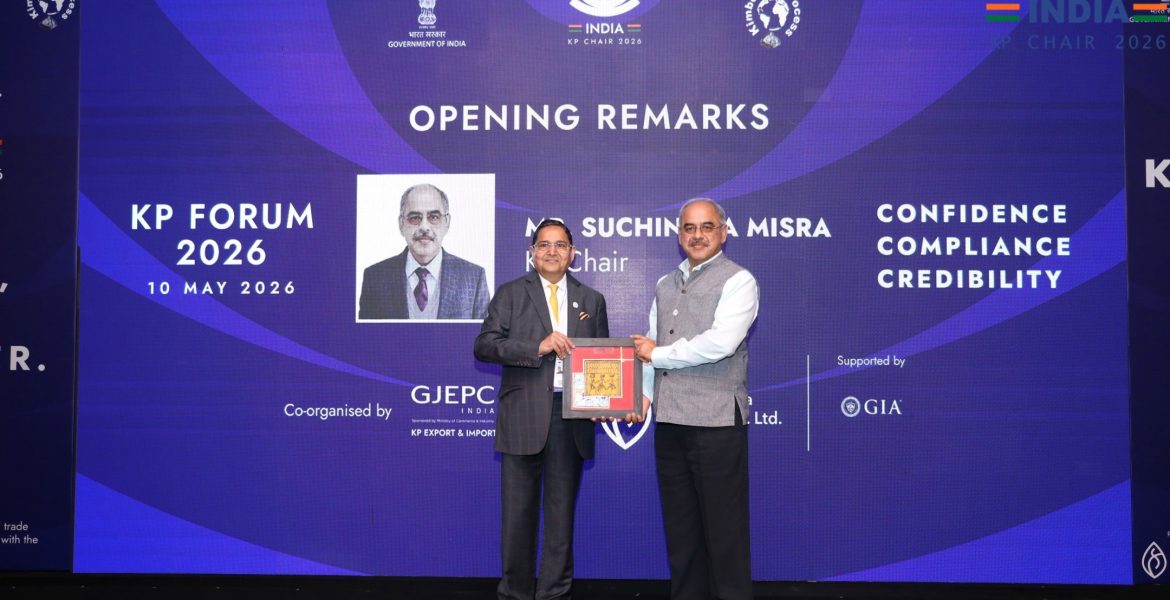
At the ‘KP Dialogue – A 3C Initiative’ by GJEPC, global industry leaders examined how the Kimberley Process must move beyond compliance to reinforce consumer confidence, credibility and trust in natural diamonds.
For over two decades, the Kimberley Process (KP) has largely been viewed through the narrow lens of compliance — a global certification mechanism designed to stem the flow of conflict diamonds. But at The KP Dialogue – A 3C Initiative organised by GJEPC in Mumbai on 10th May ahead of the Kimberley Process Intersessional Meeting, the conversation moved beyond regulatory oversight and enforcement.
Instead, discussions focused on how the KP can remain relevant in a marketplace increasingly influenced by transparency, sustainability, provenance, consumer awareness and digital verification technologies.
Bringing together governments, miners, retailers, grading laboratories, technology providers and trade bodies, the forum revolved around three interconnected themes — Confidence, Credibility and Compliance — which India has adopted as the guiding framework for its KP Chairmanship year.
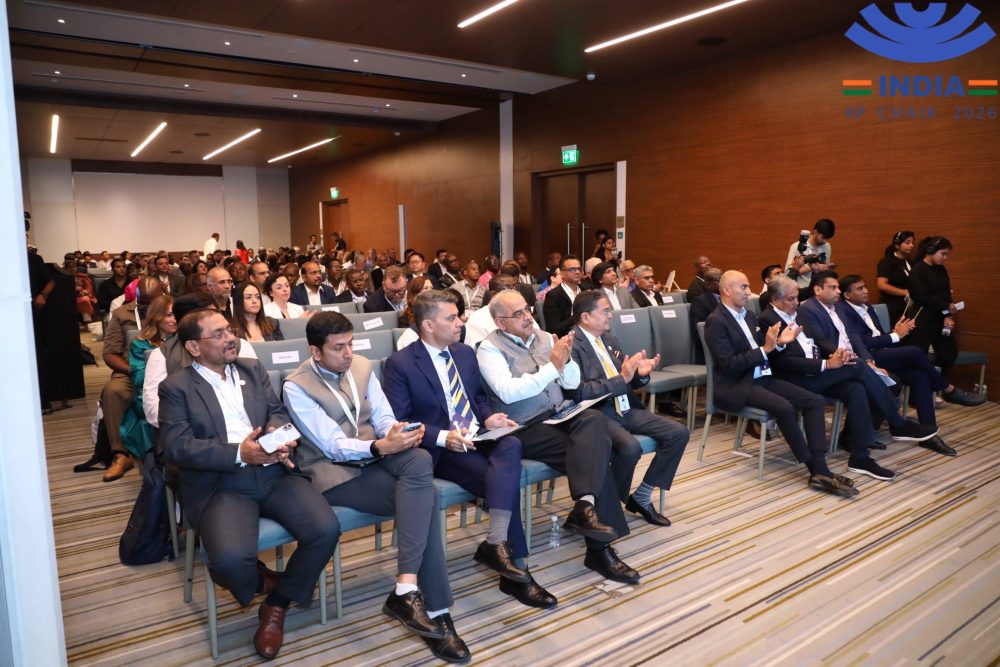
Opening the dialogue, Shri Suchindra Misra, KP Chair 2026, acknowledged that the natural diamond business is operating in a very different environment from the one in which the Kimberley Process was conceived.
“The value of a diamond is being judged not only by its quality, but also by the confidence and assurance that accompany it,” Shri Misra said, underlining how technology, transparency and communication are increasingly influencing consumer perception.
That shift in consumer thinking formed the underlying thread running through nearly every session. The industry is no longer confronting questions only about whether a diamond is conflict-free. Consumers, particularly younger buyers, now want deeper assurances around provenance, ethical sourcing, sustainability practices and community impact.
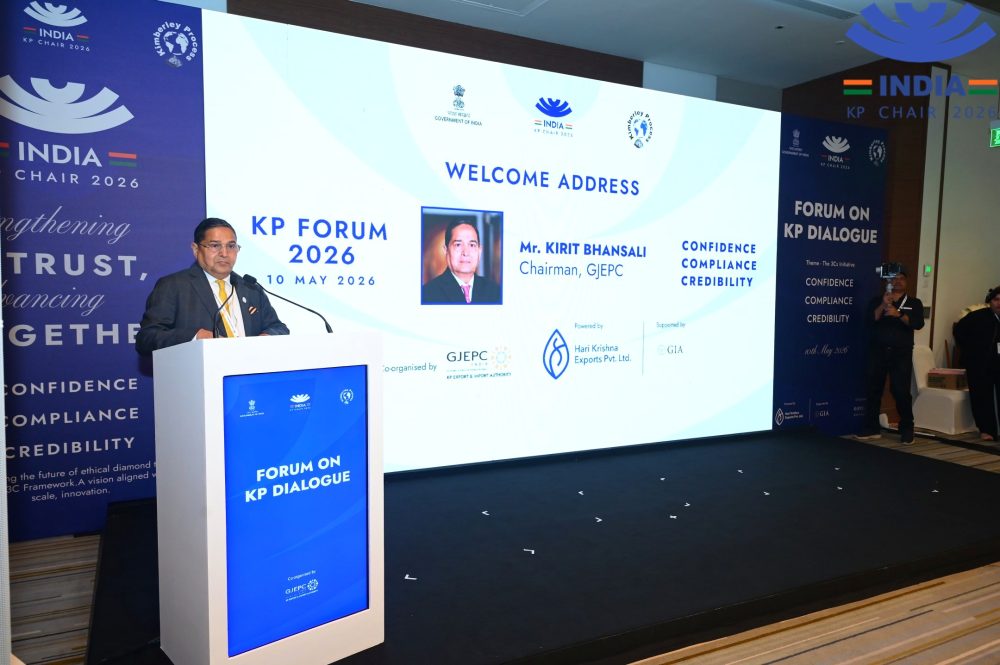
Kirit Bhansali, Chairman, GJEPC, placed that challenge in sharper perspective during his opening remarks.
“The natural diamond industry has supported millions of livelihoods across mining, manufacturing, trading and retail,” Bhansali said. “Preserving trust in natural diamonds is important not only for industry, but also for millions of people and families whose livelihoods depend on it.”
His remarks reflected a growing concern within the trade that confidence in natural diamonds can no longer rely solely on rarity, heritage or emotional symbolism. Trust today has become measurable, verifiable and increasingly data driven.
Carbon-Neutrality Enters The Narrative
One of the more unexpected dimensions of the forum came from sustainability discussions led by Peter Karakchiev, Head of International Relations, Alrosa.
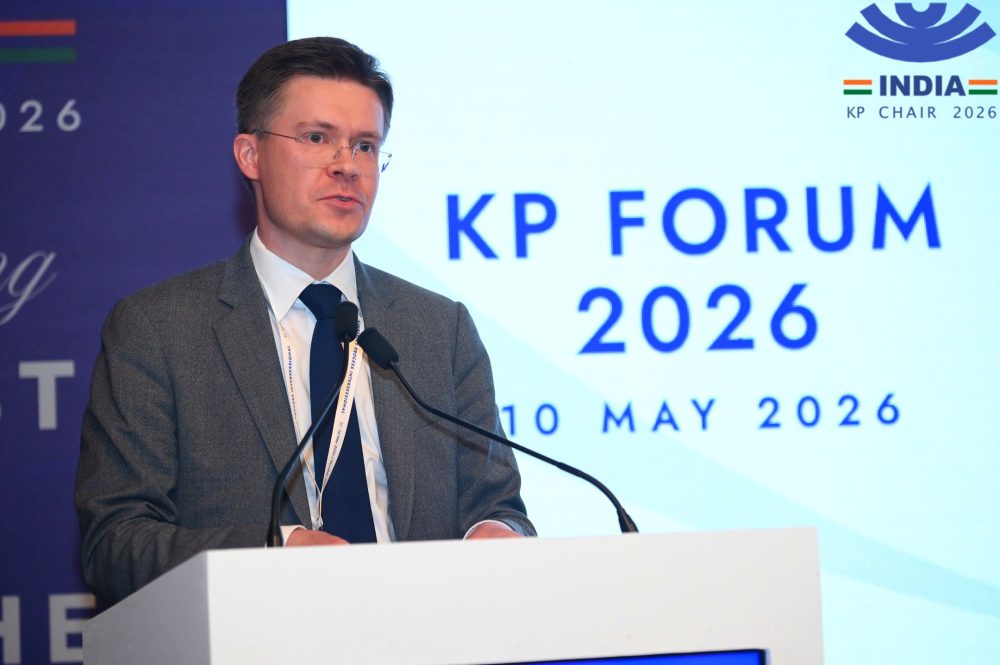
Presenting findings from a scientific study on kimberlite ore deposits, Karakchiev argued that certain mining operations in Yakutia may already qualify as carbon-neutral or even carbon-negative because kimberlite tailings naturally absorb and permanently store carbon dioxide.
According to the study, Alrosa’s mining operations absorb more than one million tonnes of CO₂ annually — equivalent, he said, to the greenhouse gas absorption capacity of around 400,000 hectares of forest.
More significantly, the presentation hinted at the possibility of an entirely new strategic narrative for natural diamonds — one where producer countries could potentially collaborate on future carbon-credit frameworks linked to mining operations.
The Communication Deficit
If sustainability emerged as one challenge, communication surfaced as another equally pressing concern.
The session titled Credibility – The Power of Communication in Earning Credibility focused on what many participants described as the industry’s fragmented and reactive messaging ecosystem.
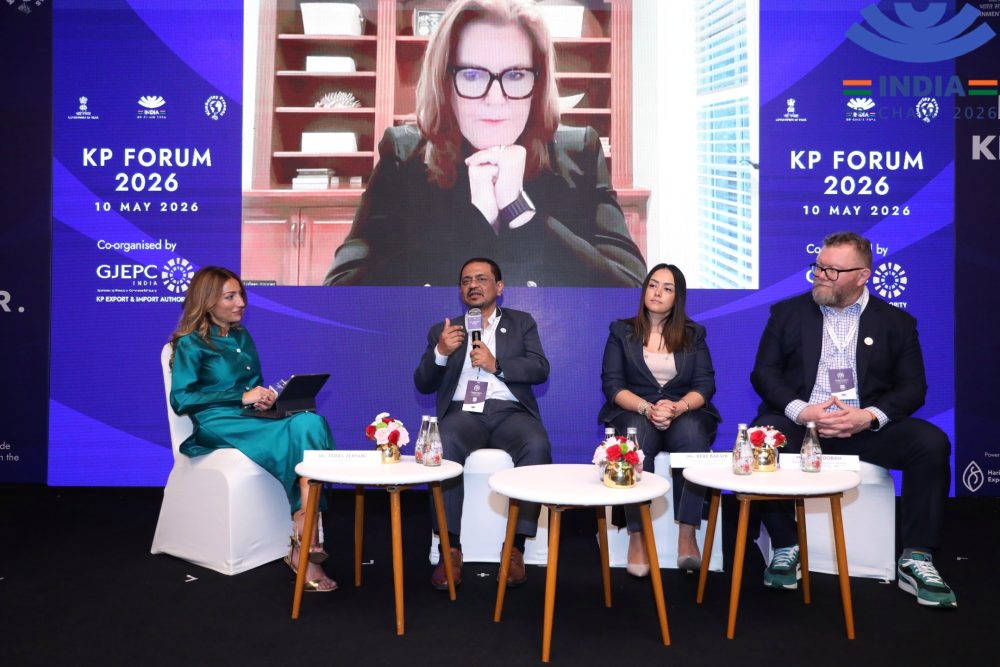
Moderated by Feriel Zerouki, Honorary President, World Diamond Council (WDC), the panel featured Bebe Bakshi, Founder of Champagne Gem; James Doran, Founder & Principal, Pentameter Advisors and Communications Advisor, WDC; Sabyasachi Ray, Executive Director, GJEPC; and Colleen Rooney, Chief Corporate Affairs & Sustainability Officer, Signet Jewelers.
A recurring concern among speakers was that the diamond industry has failed to communicate its developmental and socio-economic contribution with sufficient consistency or clarity, allowing competing narratives to dominate consumer discourse.
The absence of a unified communication structure within the Kimberley Process itself was identified as a major gap.
Panellists argued that storytelling around livelihoods, mining communities, responsible sourcing and positive social impact must become more visible and consumer-facing. Social media, digital traceability and direct storytelling platforms were viewed not merely as marketing tools, but as mechanisms for rebuilding emotional relevance with younger audiences.
Provenance Becomes Part Of Value
The forum’s “Confidence” session reinforced how deeply provenance and disclosure are now influencing consumer behaviour.
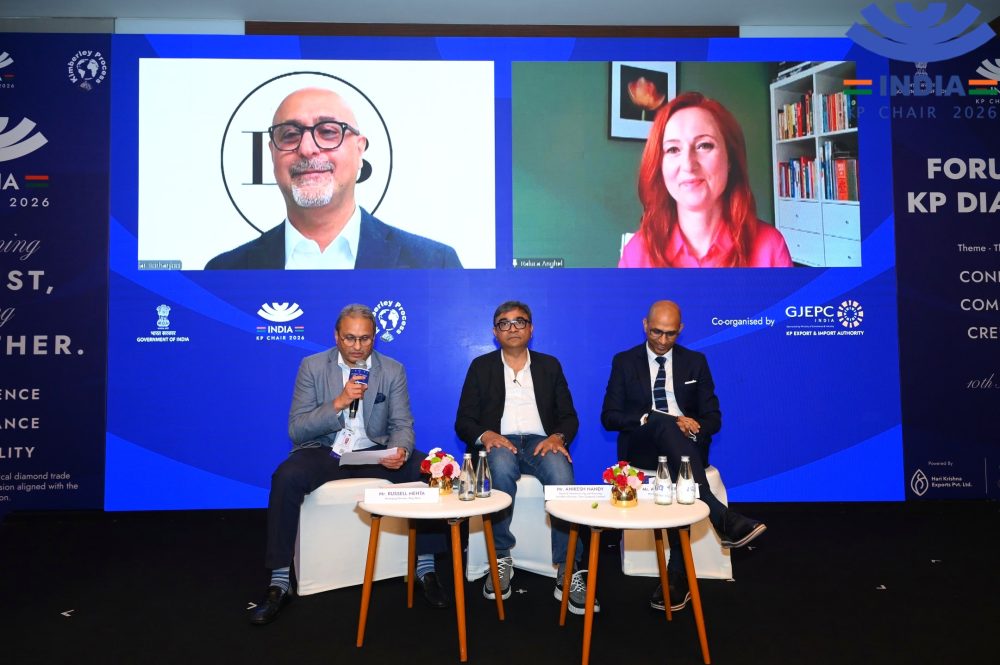
Moderated by Russell Mehta, Managing Director, Rosy Blue, the panel brought together Anikesh Nandy, Head of Manufacturing and Sourcing – Jewellery Division, Titan Company Limited; Amit Pratihari, Managing Director, GIA India; Mahiar Borhanjoo, Chief Commercial Officer, De Beers Group; and Raluca Anghel, Head of External Affairs and Industry Relations, Natural Diamond Council (NDC).
Speakers observed that buyers increasingly ask detailed questions at retail counters about origin, certification, grading systems and sustainability credentials.
The discussion also reflected a broader realisation across the trade: compliance alone cannot create emotional value. Scientific verification and traceability systems may establish credibility, but desire still depends on storytelling, aspiration and emotional connection.
The challenge, therefore, is balancing both worlds simultaneously — hard verification alongside emotional resonance.
Traceability – From Back Office To Brand Strategy
Perhaps the clearest indication of the industry’s changing priorities came during the final session, Beyond Compliance: From Traceability to Trust.
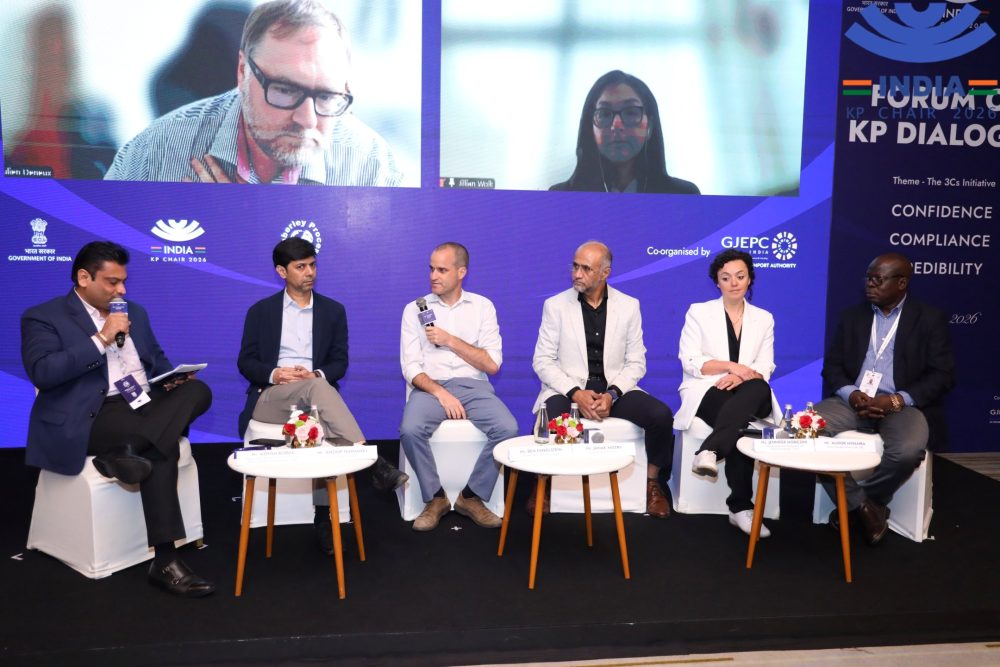
Moderated by Ashish Borda, Partner, Anjali Diam and Convener, Promotions, Marketing & Business Development, GJEPC, the panel featured Julien Deneux, Chief Information Officer, Tracr; Anoop Tamhaney, Country Head, Everledger; Ben Finkelstein, Director – India, Sarine Technologies; Janak Mistry, Founder, Lexus Technomist; Jillian Wolk, Chief Executive Officer, Tracr; Jennifer Moriconi, International Business Development and Partnerships Manager, iTraceiT; and Alidor Mwamba, Country Manager, Resolve, Diamond Development Initiative (DDI) – Democratic Republic of Congo.
The discussion made it clear that traceability is no longer being viewed purely as a compliance requirement. Increasingly, it is becoming a commercial differentiator.
Consumers now expect visibility into a diamond’s entire journey, from mine to market, along with assurances around ethical sourcing and social impact. Blockchain systems, AI-enabled verification, optical scanning and digital passports are being positioned as tools that can support that transparency.
At the same time, panellists acknowledged the structural realities confronting the industry, particularly in India’s fragmented manufacturing ecosystem. Cost, interoperability and operational complexity remain major hurdles for widespread adoption, especially among SMEs and artisanal miners.
Several speakers stressed that technology alone cannot manufacture trust. Without governance standards, verification mechanisms and industry-wide cooperation, even the most advanced traceability systems risk becoming fragmented exercises with limited consumer meaning.
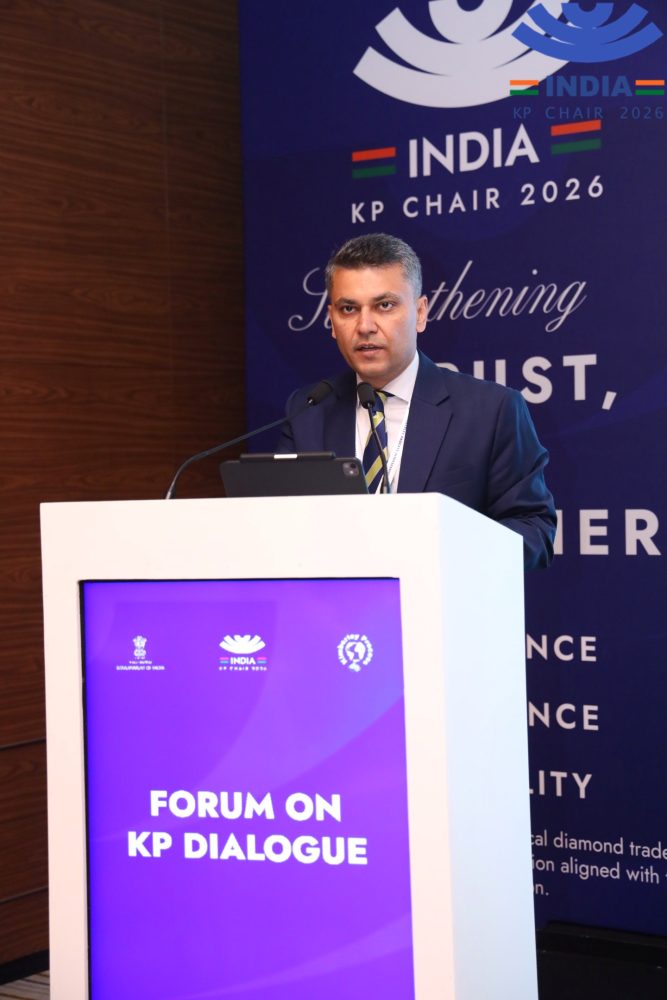
Summing up the discussions, Shri Saket Kumar, Joint Secretary, Ministry of Commerce & Industry and Senior Advisor to the KP Chair 2026, said, “Today’s dialogue reflected both the opportunities and responsibilities before the natural diamond industry. The discussions made it clear that sustainability, stronger communication, responsible sourcing, consumer confidence and practical, inclusive traceability frameworks will all play an important role in shaping a more resilient and future-ready diamond sector.”
Repositioning the Kimberley Process
What the Mumbai dialogue ultimately highlighted was a subtle but important repositioning of the Kimberley Process itself.
Originally established to address conflict financing, the KP now appears to be edging toward a broader role tied to transparency, consumer assurance and responsible sourcing narratives.
That transition reflects the changing economics of trust in the luxury sector. For natural diamonds, future competitiveness may depend not only on supply dynamics or rarity, but also on how effectively the industry communicates authenticity, ethics and accountability.
The conversations in Mumbai suggested that the KP’s next phase may be defined less by controlling conflict alone, and more by its ability to remain relevant in a marketplace where consumers increasingly demand proof alongside promise.