
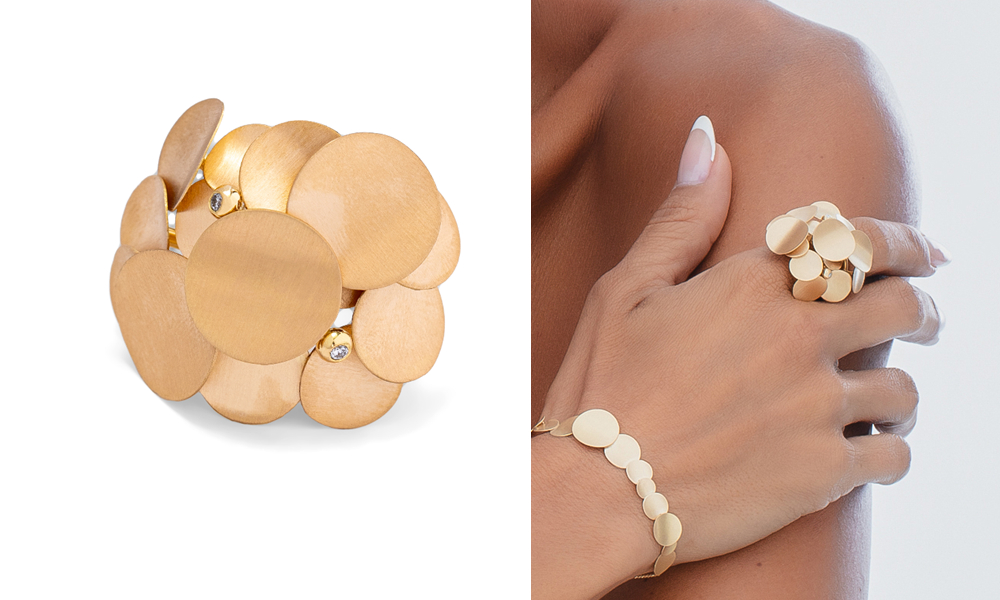
Meet Márcio Granatowicz, a renowned Brazilian designer and Partner at Art’G, who catapulted onto the global stage and made waves at the INHORGENTA Awards 2026, sparking conversations with his understated yet commanding aesthetic.
In keeping with the theme of show, which celebrated Craftsmanship Excellence, Márcio’s finalist piece, the Bouquet Ring, stood out for its signature finish described by the jury as “gold that looks like velvet.” The velvety matte surface absorbs light rather than reflecting it, creating a soft, almost textile-like luminosity rarely seen in high jewellery. The piece captured attention not through excess, but through restraint and refinement.
His company, Art’G, established in Rio de Janeiro in 1984, is known for creating contemporary, neo-minimalist sculptural gold jewellery. Operating exclusively in the B2B segment and catering to both Brazilian and international retail markets, the company has cultivated a minimalist, sculptural design language, combining signature design and excellent craftsmanship. Over four decades, Art’G has built a reputation for an unmistakable design identity that feels both modern and enduring.
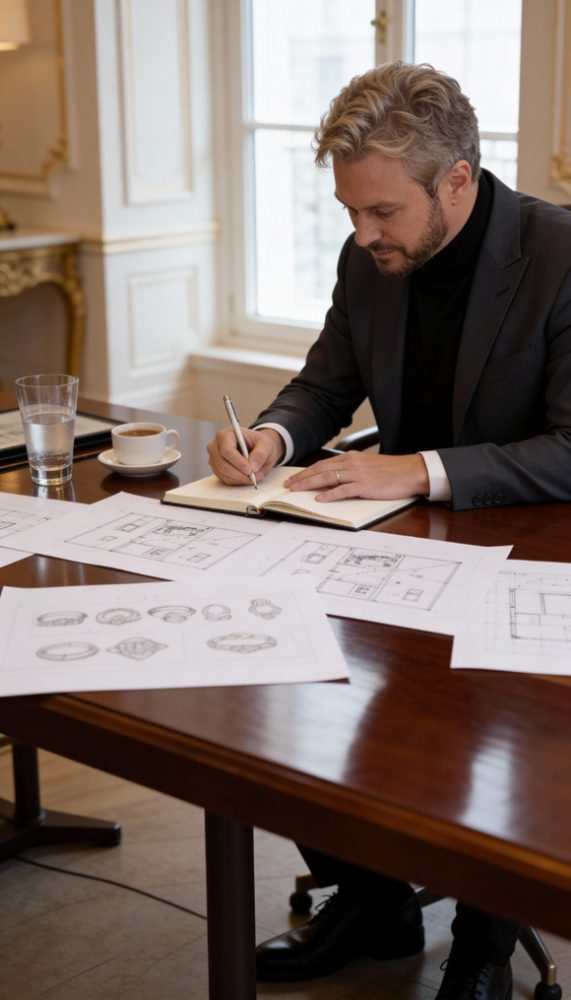
What was the original vision when you founded Art’G began, and how closely does today’s brand reflect that early dream?
The original vision was born 42 years ago through my mother, a true visionary. At that time, she identified a gap in the Brazilian market: almost no one was creating contemporary jewellery. Driven by this, she opened her own atelier to manufacture the pieces she loved. Today, Art’G preserves that pioneering DNA, maintaining its minimalist and contemporary spirit while elevating it to a global standard of sophistication that honours her legacy.
As a second-generation jeweller, how did you sharpen your craft — in your atelier, or through formal training in jewellery making and design?
I grew up within the workshop, mastering technical practice and benchwork from an early age. To refine this practical knowledge, I pursued academic excellence. I earned a Postgraduate degree in Jewelry Design from PUC-Rio 15 years ago. This synergy between inherited savoir-faire and high-level formal education defines our technical and creative leadership.
Over four decades, the jewellery landscape has shifted dramatically — from craftsmanship to branding to digital presence. How has Art’G adapted while staying true to its creative core?
Our adaptation has been commercial as well as digital, but never technical. While the industry moved towards mass production, we doubled down on craftsmanship.
We have proven that niche jewellery, focused on the B2B market and made with soul, is what truly withstands time and global shifts.
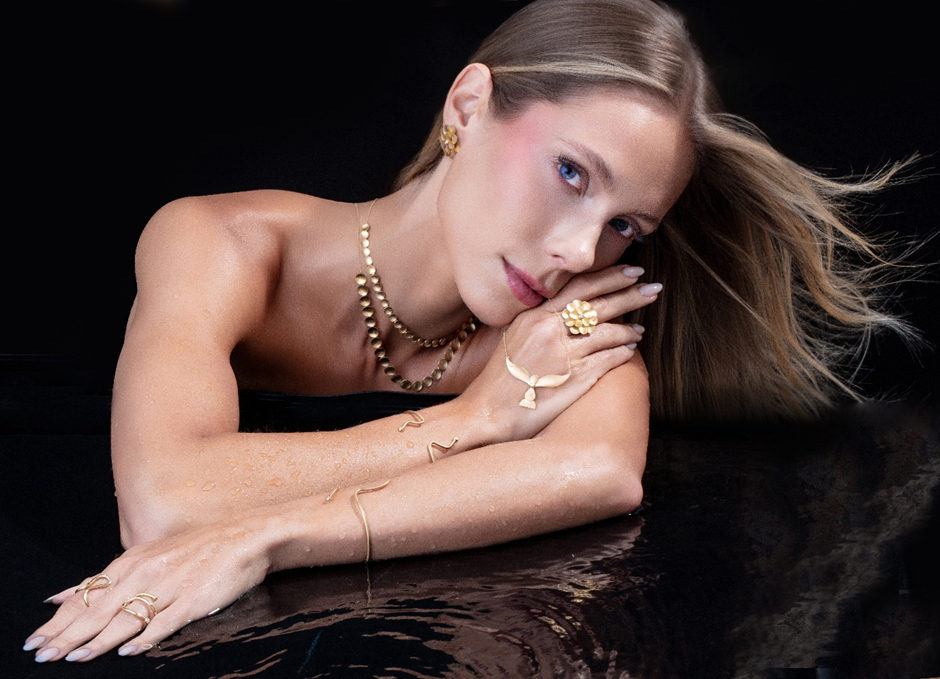
How would you describe the design DNA of Art’G today? Are there recurring themes, forms, or emotions that consistently run through your collections?
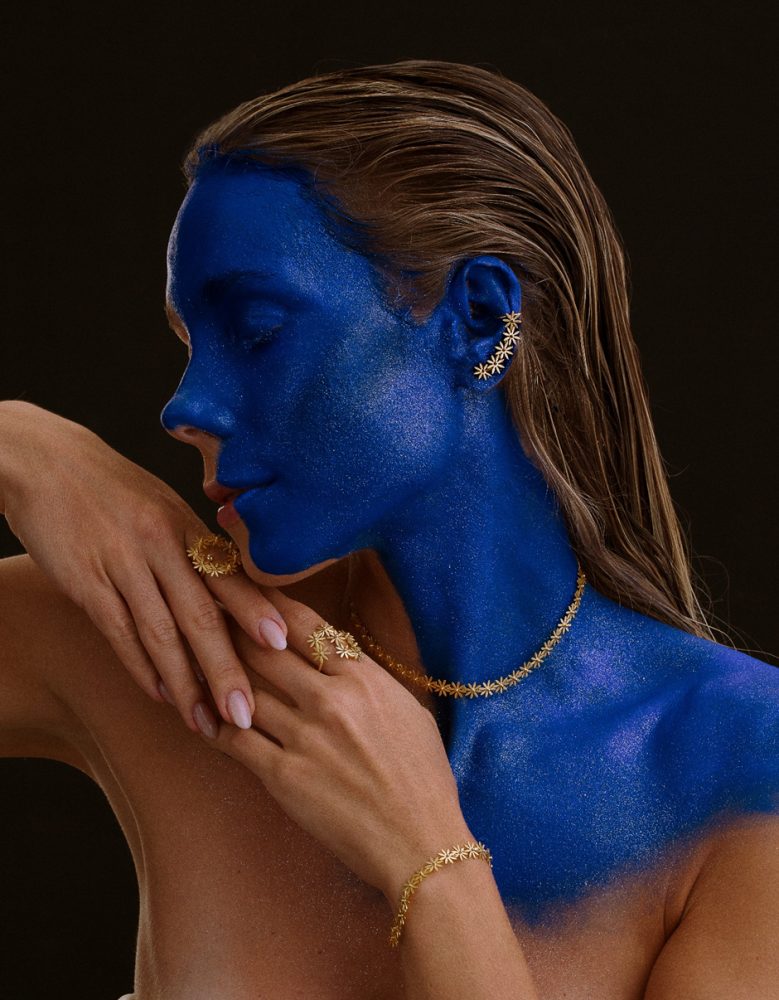
The DNA of our company is “Organic and Sensorial Minimalism.” There is a constant focus on the fluidity of 18-karat gold and pieces that evoke confidence and understated sophistication.
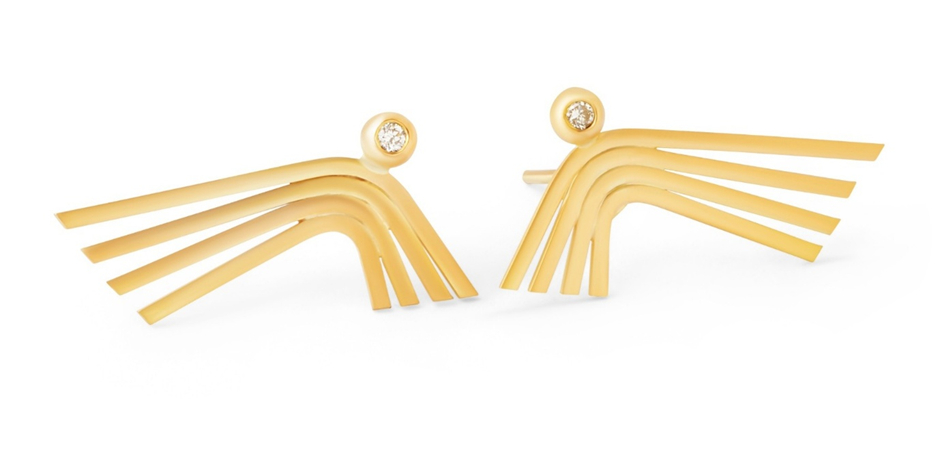
Our signature is the Velvet Matte Gold, a proprietary technique that absorbs light and creates an irresistible tactile experience, inviting the touch and creating an immediate emotional connection.
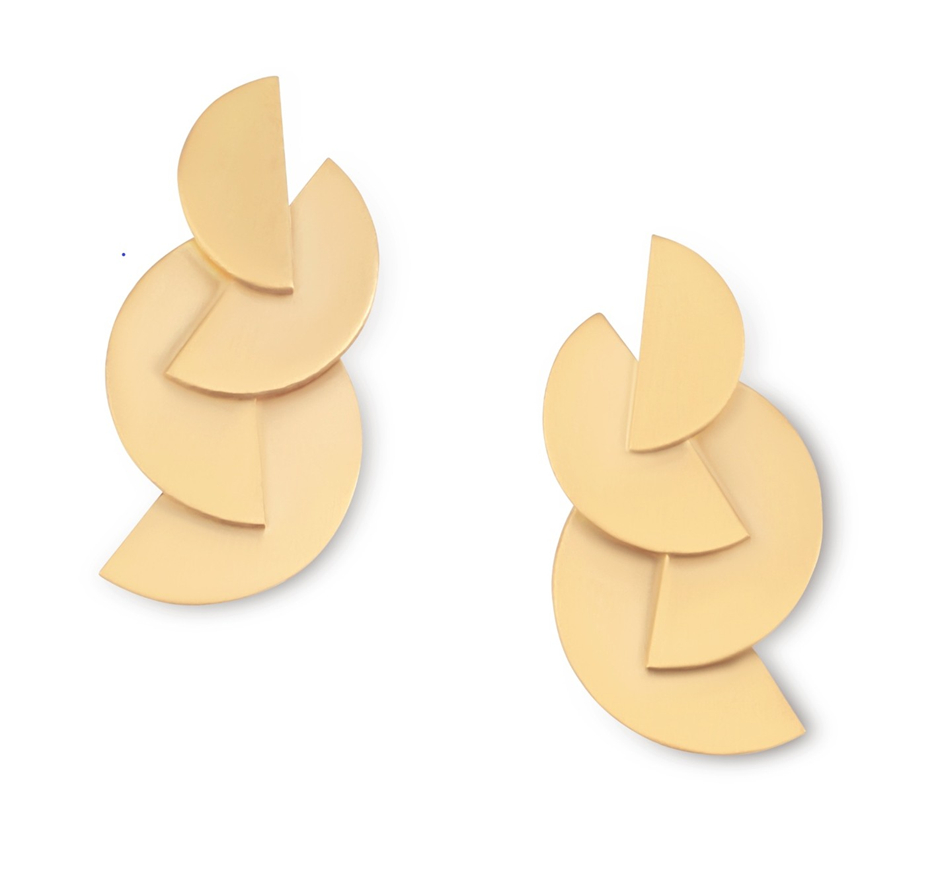
Your ring reaching the final round at INHORGENTA was a significant moment. What inspired the concept behind that piece, and how did the journey from sketch to showcase come through?
It is a tremendous honour to represent Brazil in a global award that celebrates artisanal excellence. But beyond recognition, this moment highlights a design philosophy we have cultivated for over four decades — jewellery as emotional architecture.
Originally conceived 25 years ago as a tribute to my mother, the Bouquet ring was reimagined in 2024 with a more architectural and ergonomic structure. The new version balances sculptural volume with surprising lightness. We’re happy to note that the limited edition ring created to mark the brand’s 40th anniversary closed all orders following strong European demand.
The concept was a celebration of manual perfection and continuity. The technical challenge was ensuring that gold appeared to float, defying the visual perception of the metal. Being among the finalists at competition validated that our Brazilian technique and sensorial finishing stand at the pinnacle of world jewellery.
Being rooted in Rio de Janeiro, how has Brazil’s cultural richness, its architecture, rhythm, colours, and contrasts, influenced your aesthetic language over the years?
Rio provides the contrast—the geometry of modernist architecture versus the organic curves of nature. This translates into jewellery with a firm structure but fluid movement. The “Carioca rhythm” ( a typical Rio musical groove) is found in the balance between the visual weight of the gold and the extreme comfort of each piece.
Craftsmanship often evolves with technology. How do you balance traditional techniques with contemporary innovation in your atelier?
Contrary to modern trends, we do not use software. At Art’G, jewellery is 100% handcrafted. We have developed our own manual techniques over 42 years that allow for productivity with industrial-grade precision, without ever sacrificing the human touch. We value the artisan and signature design over any automation; true luxury lies in the exclusivity of the handmade.
Sustaining for more than 40 years in the industry is a huge achievement. How do you see Art’G exploring new techniques, collections, or international showcases in the near future?
We are in the midst of international expansion. This 42-year milestone signals our maturity for the global luxury market. We are exploring new collections that resonate with the European and Asian luxury markets, consolidating Art’G as a benchmark for exclusive Brazilian design for the export market and specialized retailers.
On a lighter note, if you were not a jewellery designer, what would you have been?
It is difficult for me to imagine being anything other than a designer, as my mind is constantly shaped by forms. However, if I weren’t creating jewellery, I would likely be a designer of high-end luxury women’s shoes. The challenge of creating something extremely elegant and, above all, ergonomic, fascinates me. I believe that comfort is just as vital as aesthetics; I would create shoes that are true sculptures for the feet.