
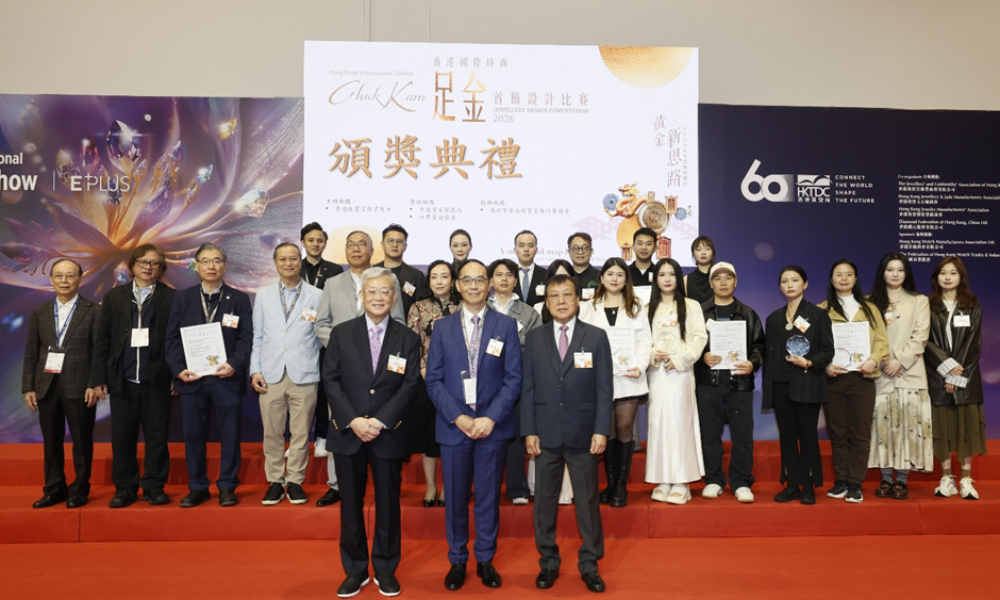
Middle Eastern buyers stayed away from the HKTDC Hong Kong jewellery show due to conflict, eroding sales opportunities for exhibitors of gold jewellery and natural diamonds, but overall turnout appeared steady. David Brough reports.
The twin HKTDC shows staged in separate venues in early March, organised by the Hong Kong Trade Development Council (HKTDC), featured the latest jewellery designs, as well as loose stones, machinery, accessories and packaging.
The absence of Middle Eastern buyers at the show, one of the biggest annual jewellery trade events in the global calendar, was a setback for Italian gold jewellery and Indian natural polished diamond exporters.
The United Arab Emirates and the wider Middle Eastern region are key markets for Italian manufactured gold jewellery exports and for sales of diamonds crafted in Surat.
Airports were shut across the Middle East after the US and Israeli attacks on Iran, choking travel from the region to Hong Kong for the show.
Some European buyers were notified of cancelled flights that had been routed via Middle Eastern airports. While some European visitors struggled to re-book flights home after cancellations of their return journeys via the Middle East.
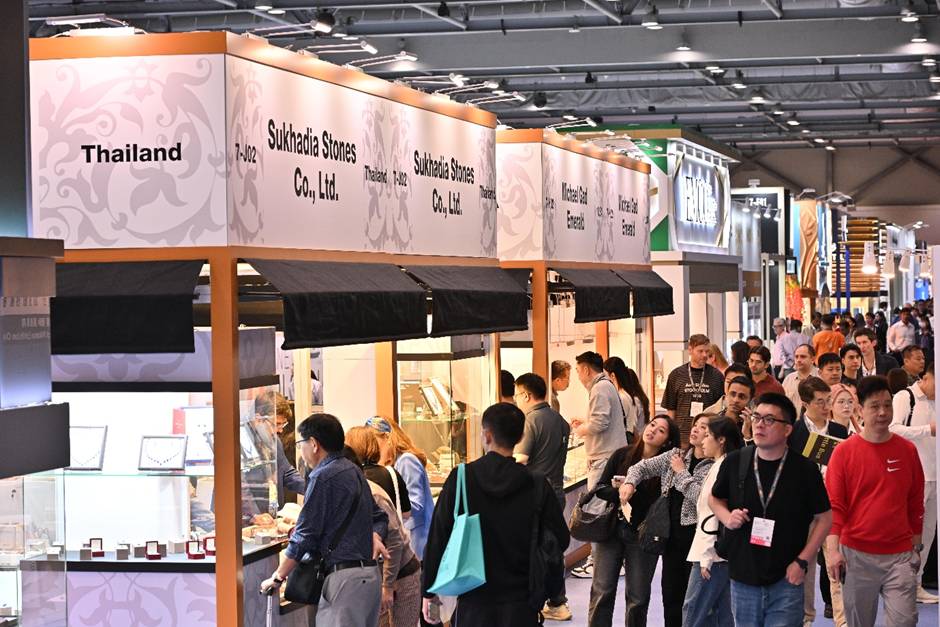
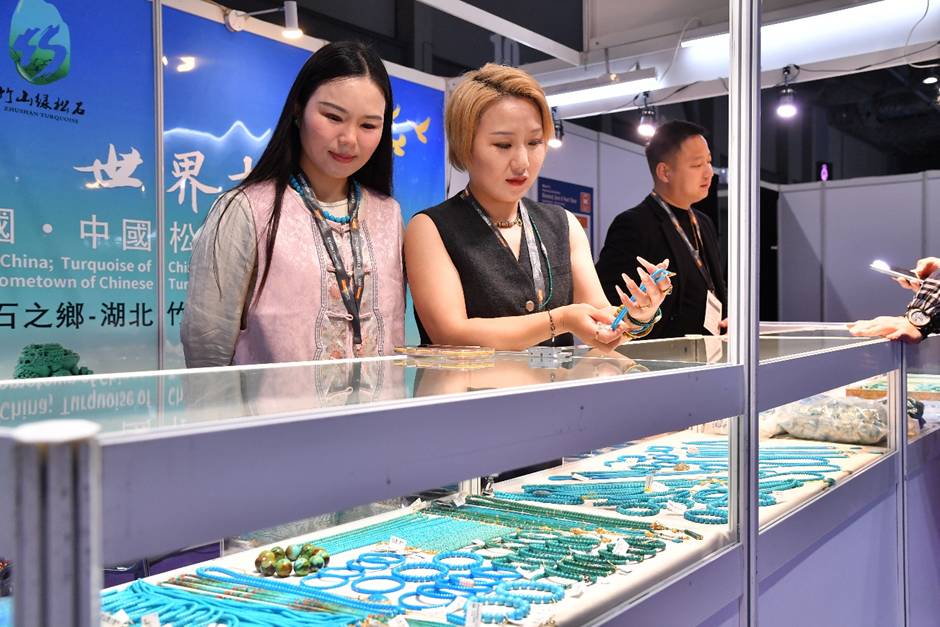
Nevertheless, attendance at the show overall held up well as buyers arrived from other parts of the world, notably from mainland China and across Asia, with buoyant business seen in the pearls and gemstones halls.
The war in the Middle East compounded the impact on jewellery suppliers from US tariffs, and high and volatile precious metals prices, with market analysts forecasting that gold and silver prices would remain well-supported for some time, underpinned by “safe haven” investor buying.
A key question among participants was how long the war in the Middle East would likely last.
Suppliers of high-end coloured gemstones, such as Thailand-based Gandhi Enterprises, reported continuing robust demand as the proportion of the gold price was small relative to the final price of finished gemstone-set gold jewellery.
In lower gemstone market segments, high silver prices had squeezed affordability of silver jewellery set with coloured gemstones.
Some jewellery suppliers have reduced weight of silver and have featured more gemstones.
Among the UK buyer delegation, Rob Walker and Vicky Leyshon of jewellery brand Little Star Jewellery, said they were visiting Hong Kong show to source sensitively priced silver jewellery for their brand.
A discussion panel in the Buyer Forum on March 6, moderated by London-based Jewellery Outlook Editor David Brough, focused on demand in Nordic retail fine jewellery markets, which remains predominantly for natural diamond jewellery, while the UK and Irish markets were more diverse, with rising offtake seen in laboratory-grown diamond jewellery.
Himanshu Shah, director of Hatton Garden-based diamond jewellery supplier Andre Michael, spoke of increased demand in engagement rings for larger sized laboratory-grown diamonds, noting that the laboratory-grown diamond jewellery retail prices were much more accessible than for similar sized natural diamond jewellery.
Jaimin Soni of London-based wholesaler AG & Sons talked of the importance of delivering rapid and efficient turnaround times for the growing bespoke segment of the fine jewellery market.
Ulrik Hartmann of Hartmanns, who have two retail shops in Copenhagen, spoke of the need for retailers to tell the stories of the fine jewellery they were selling, noting increasing interest from customers in knowing the origins of the gemstones that they were buying.
Among the Indian exhibitors, Mumbai-based Venus Jewel presented their new Face-up Color Grade for natural diamonds.
In the Grand Hall, the show’s leading showcase for high jewellery, S. Vinodkumar showcased their new Hekkad range of exquisite gemstone-set one-off high jewellery pieces.