
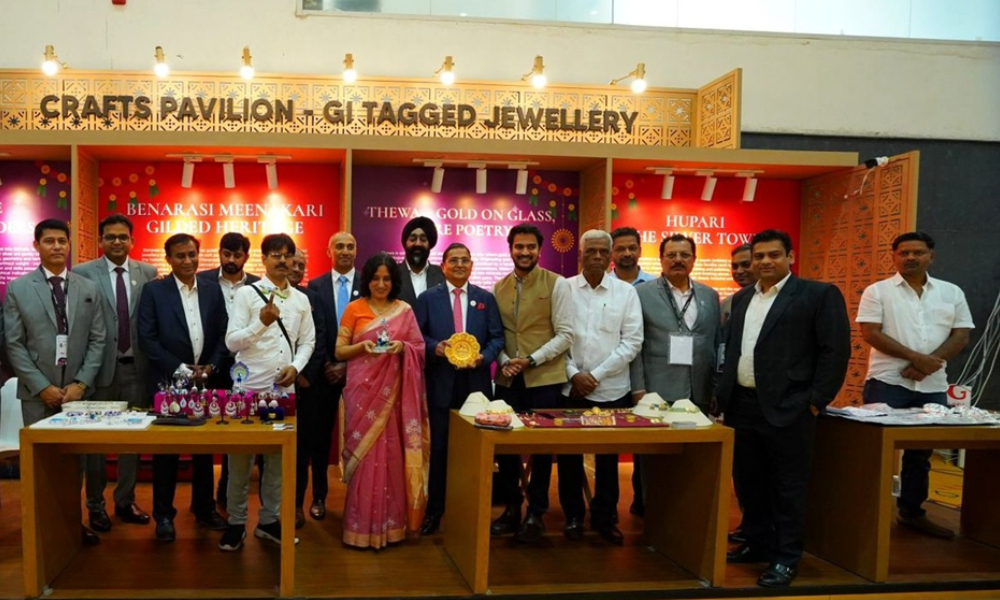
The Gem & Jewellery Export Promotion Council (GJEPC) has always upheld that the gem and jewellery industry’s true strength lies in its craftsmanship, heritage, and the unmatched skills of its artisans. Across generations, artisans have preserved jewellery traditions that are deeply entrenched in various cultures and regions, many of which are now recognised under the Geographical Indication (GI) framework.
Promoting these crafts is not just about preserving the past, but about creating new opportunities for the torchbearers of our precious heritage and art which is Made in India.
In recent years, there has been a strong national focus on encouraging GI-tagged products across various categories as symbols of authenticity, identity, and economic empowerment. This vision, strongly supported at the highest level of leadership, highlights the importance of taking India’s traditional crafts to global markets while ensuring that the benefits reach the original artisan communities.
For the gem and jewellery industry, GJEPC’s initiatives to showcase GI-tagged jewellery are aligned with this larger national goal of strengthening local skills, supporting MSMEs, and building India’s reputation as a source of heritage-rich, high-quality products.
Through dedicated platforms at major industry events, the Council aims to give GI-recognised jewellery traditions the visibility they deserve. By bringing together artisans, manufacturers, designers, exporters, and buyers under one roof, these efforts help transform regional crafts into globally recognised brands. Such initiatives also encourage younger generations to take pride in traditional techniques while adapting them to modern markets.
GJEPC’s long-term vision is to position India not only as a leading jewellery exporter, but also as the world’s most trusted source of heritage craftsmanship. By promoting GI-tagged jewellery, the Council hopes to create a bridge between tradition and innovation, ensuring that the stories, skills, and identities behind these crafts continue to thrive on both national and international platforms.
This approach reflects a shared commitment to celebrating India’s diversity, empowering artisans, and taking the country’s cultural legacy to the world in a way that is sustainable, inclusive, and future-ready.
The Crafts Pavilion – GI-Tagged Jewellery
The Crafts Pavilion at IIJS Bharat Tritiya 2026, conceptualised by GJEPC, was the official platform for India’s GI-tagged jewellery-making crafts. At a time when global markets are increasingly seeking authenticity and provenance, this initiative aims to present India’s geographically unique jewellery crafts as origin-linked heritage products with strong contemporary relevance.
Four GI-tagged jewellery traditions were presented at the show, namely silver filigree jewellery and artefacts from Cuttack, Odisha, Benaras meenakari, Thewa jewellery from Pratapgarh, Rajasthan, and silver anklets and jewellery from Hupari, Kolhapur, Maharashtra.
Each of these crafts reflected a distinct regional identity, specialised skills, and generations of artisanal knowledge.
Visitors to the Pavilion got to observe up-close traditional techniques, giving them a deeper understanding of the craftsmanship behind the pieces.
Beyond cultural celebration, the Crafts Pavilion reflects a broader vision: positioning India’s heritage jewellery not only as cultural treasures, but as competitive, globally recognised luxury products rooted in authenticity and craftsmanship.
Filigree – Wired Wonders
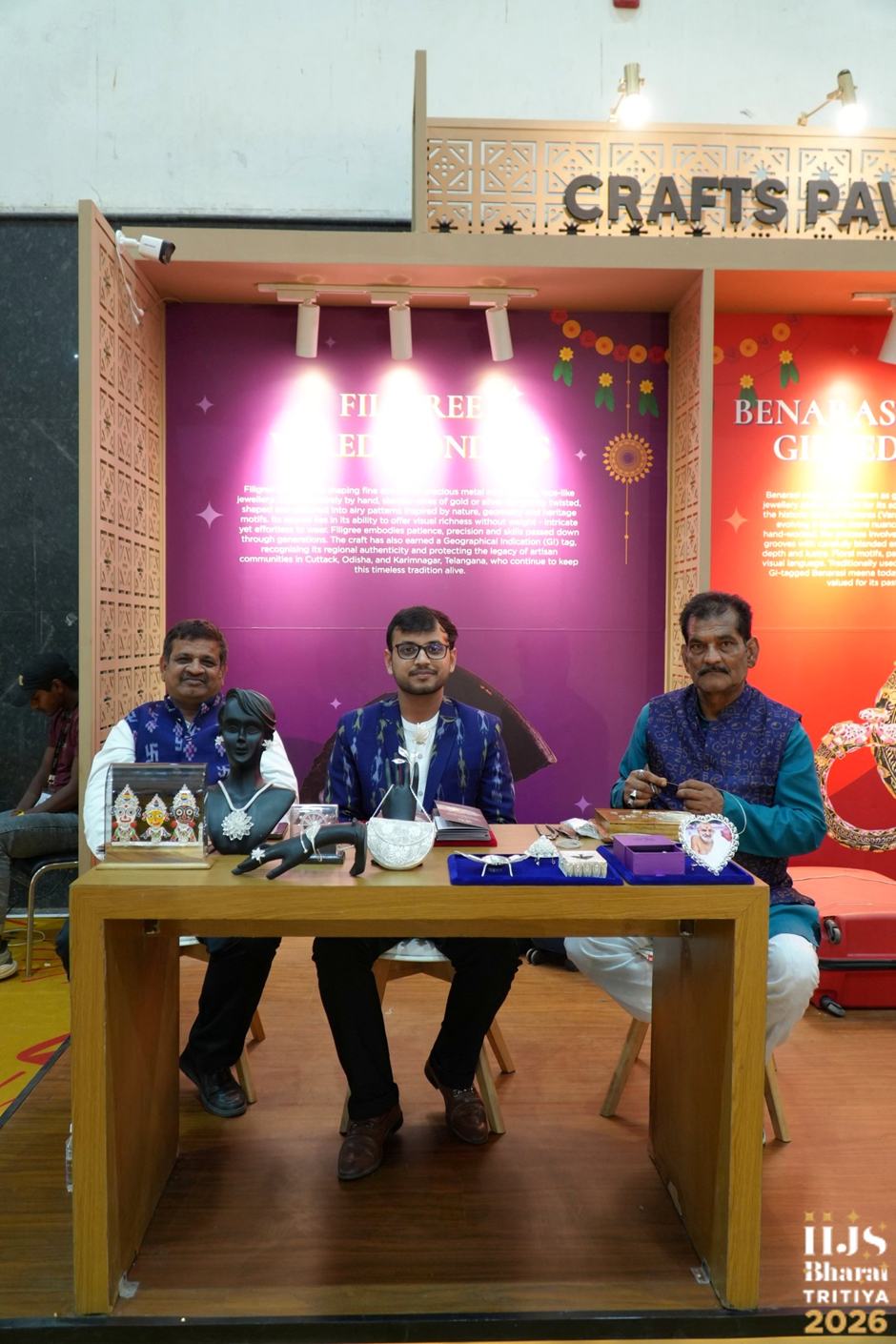
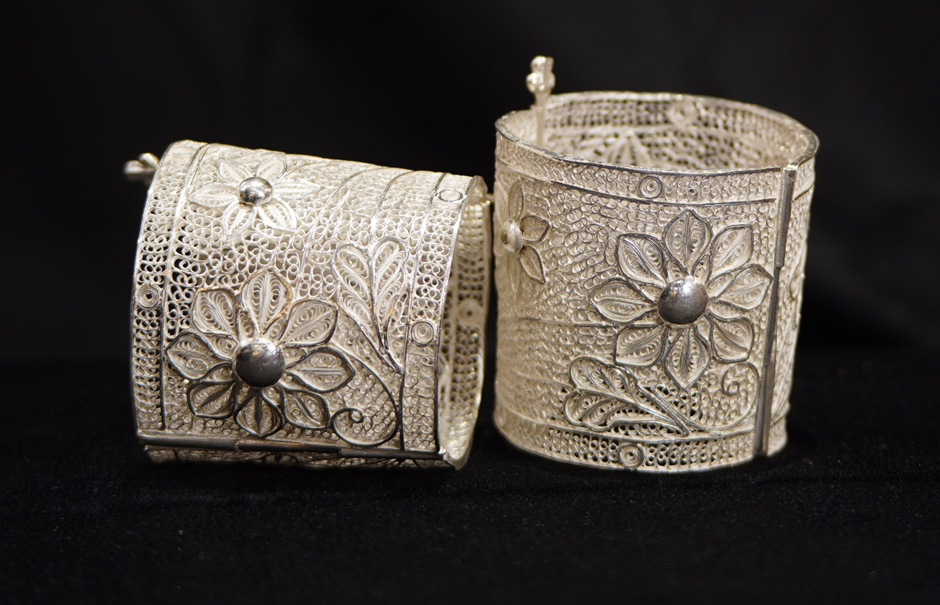
Filigree is the art of shaping fine strands of precious metal into delicate, lace-like jewellery. Crafted entirely by hand, slender wires of gold or silver are gently twisted, shaped and soldered into airy patterns inspired by nature, geometry and heritage motifs. Its appeal lies in its ability to offer visual richness without weight—intricate yet effortless to wear. Filigree embodies patience, precision and skills passed down through generations. The craft has also earned a Geographical Indication (GI) tag, recognising its regional authenticity and protecting the legacy of artisan communities in Cuttack in Odisha, and Karimnagar in Telangana, who continue to keep this timeless tradition alive.
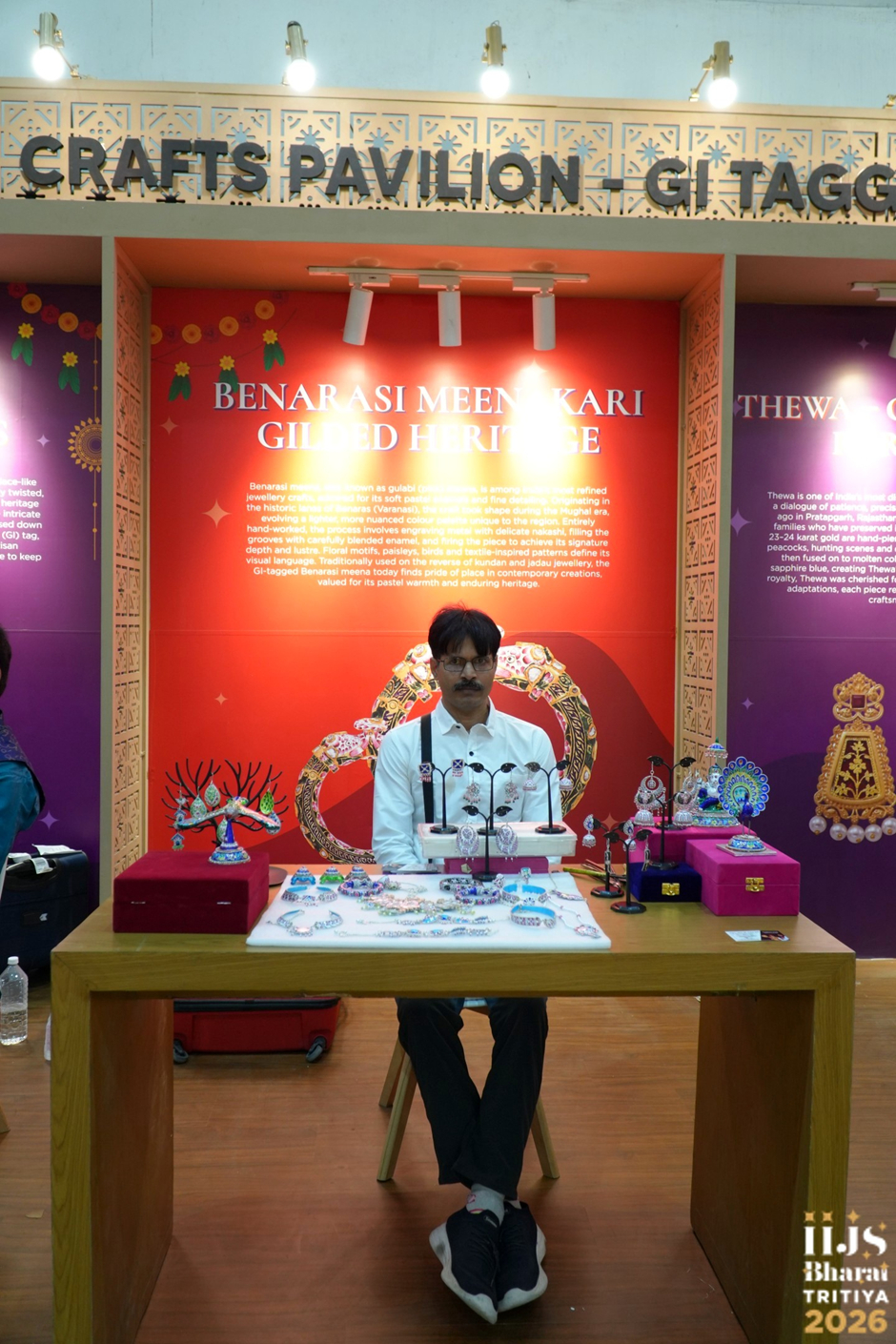
Benaras Meenakari – Gilded Heritage
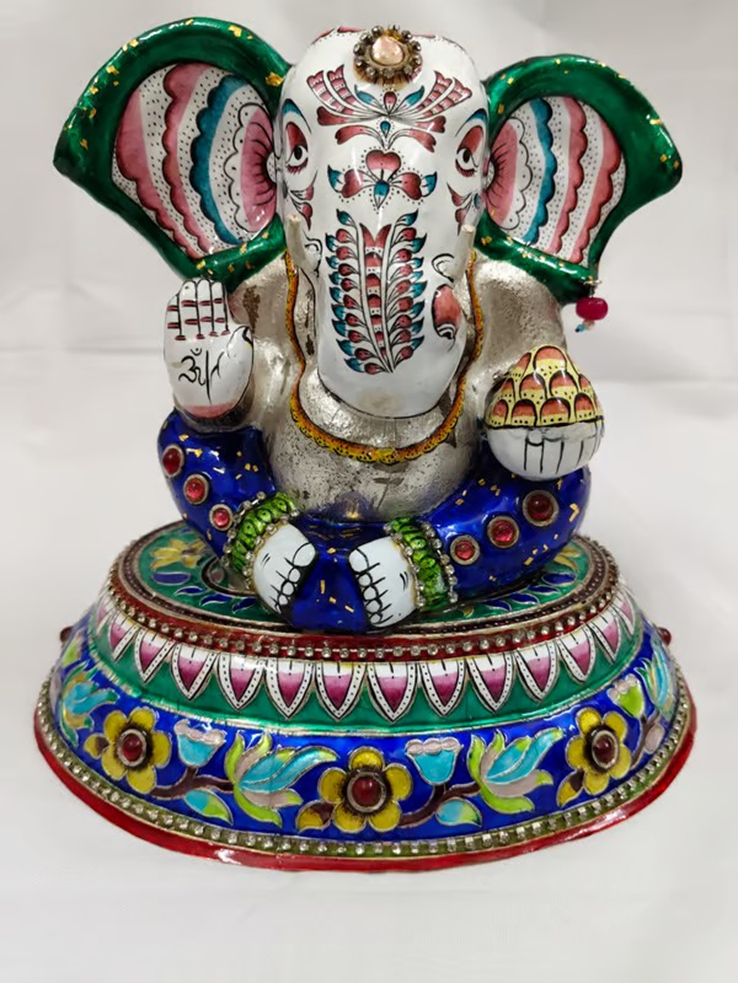
Benarasi meena, also known as gulabi (pink) meena, is among India’s most refined jewellery crafts, admired for its soft pastel enamels and fine detailing. Originating in the historic lanes of Benaras (Varanasi), the craft took shape during the Mughal era, evolving a lighter, more nuanced colour palette unique to the region. Entirely hand-worked, the process involves engraving metal with delicate nakashi, filling the grooves with carefully blended enamel, and firing the piece to achieve its signature depth and lustre. Floral motifs, paisleys, birds and textile-inspired patterns define its visual language. Traditionally used on the reverse of kundan and jadau jewellery, the GI-tagged Benarasi meena today finds pride of place in contemporary creations, valued for its pastel warmth and enduring heritage.
Thewa: Gold on Glass, Rare Poetry
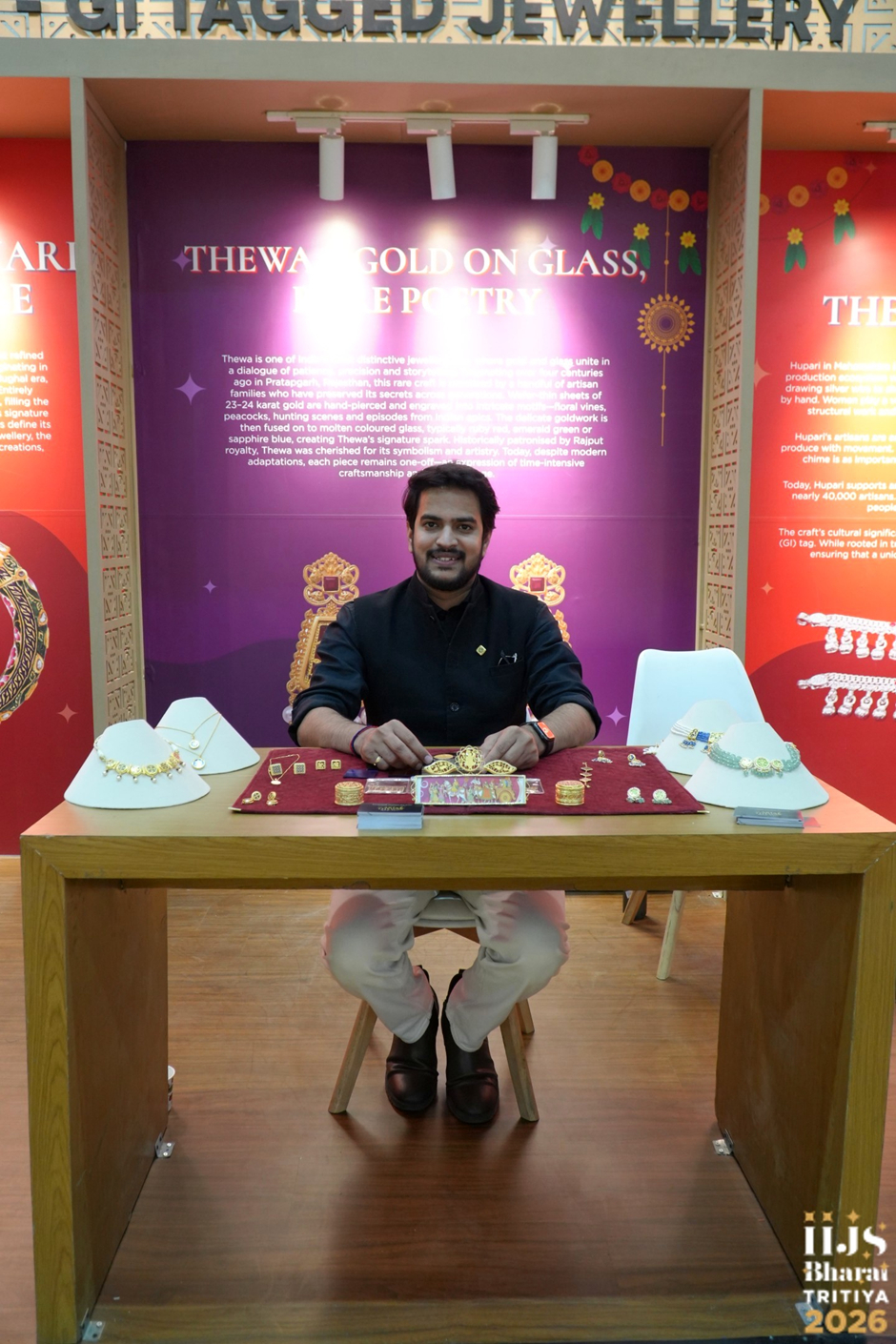
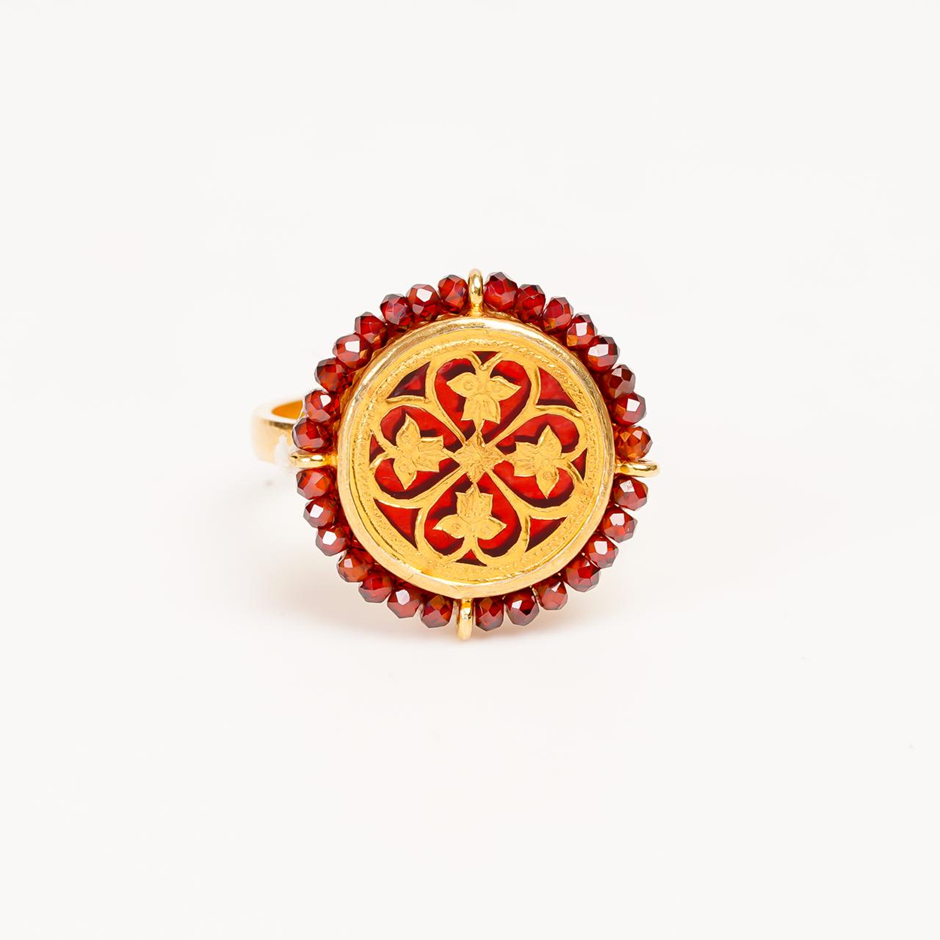
Thewa is one of India’s most distinctive jewellery arts, where gold and glass unite in a dialogue of patience, precision and storytelling. Originating over four centuries ago in Pratapgarh, Rajasthan, this rare craft is practised by a handful of artisan families who have preserved its secrets across generations. Wafer-thin sheets of 23–24 karat gold are hand-pierced and engraved into intricate motifs—floral vines, peacocks, hunting scenes and episodes from Indian epics. The delicate goldwork is then fused on to molten coloured glass, typically ruby red, emerald green or sapphire blue, creating Thewa’s signature spark. Historically patronised by Rajput royalty, Thewa was cherished for its symbolism and artistry. Today, despite modern adaptations, each piece remains one-off—an expression of time-intensive craftsmanship and living heritage.
Hupari – The Silver Town
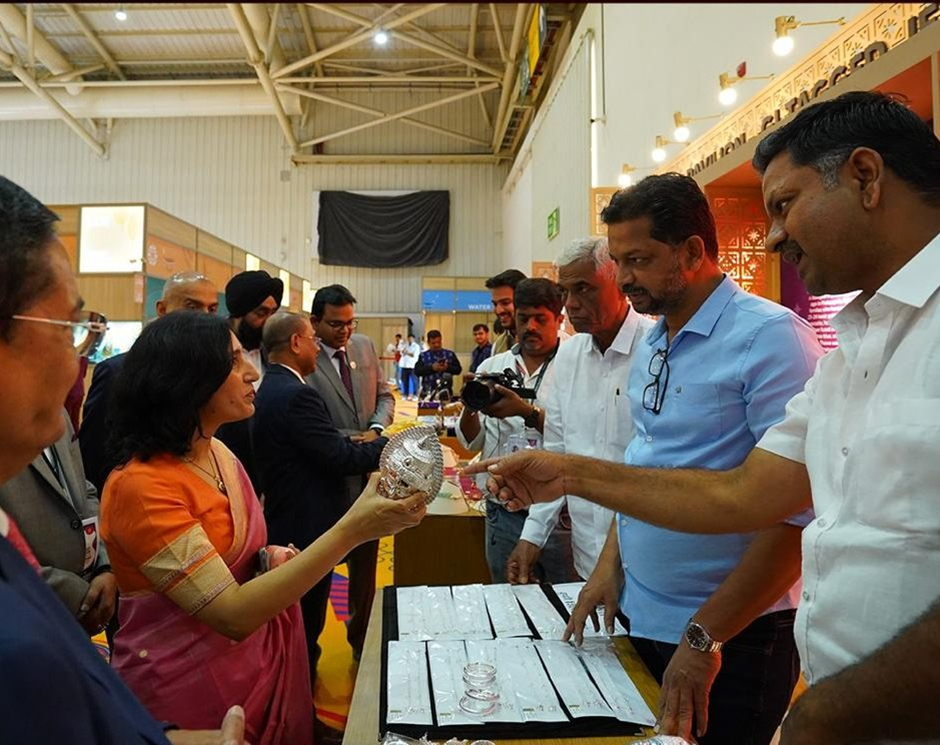
Hupari in Maharashtra is synonymous with silver payals (anklets) and a distinctive home-led production ecosystem where generations of artisan families work together. From melting and drawing silver wire to shaping, soldering, assembling and polishing, every stage is carried out by hand. Women play a vital role in assembling and finishing pieces, while men typically handle structural work and trade, making the craft deeply inclusive and community driven.
Hupari’s artisans are especially celebrated for their anklets and the signature sound they produce with movement. Created through carefully joined silver beads and links, this rhythmic chime is as important as visual beauty, turning each piece into a sensory experience.
Today, Hupari supports around 2,500 small workshops across surrounding villages, engaging an estimated 40,000 artisans. This thriving ecosystem provides a livelihood for close to 100,000 people, forming the economic backbone of the region.
The craft’s cultural significance has earned Hupari silver jewellery a Geographical Indication (GI) tag. While rooted in tradition, artisans continue to adapt designs for modern lifestyles, ensuring that a unique legacy that this unique legacy continues to shine through artisanal skills.