
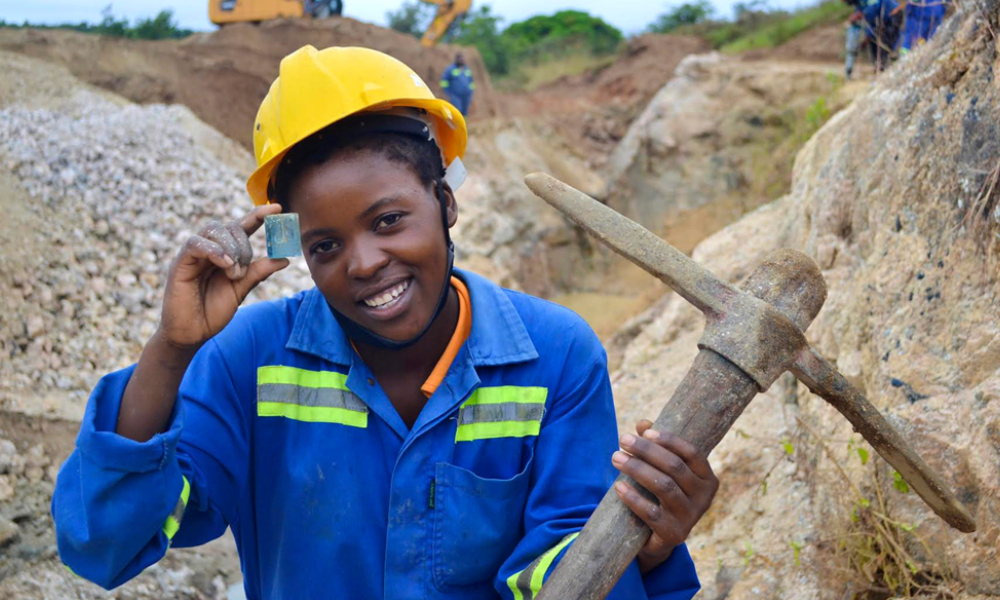
Iver Rosenkrantz is a Danish gemmologist who has spent over a decade building a jewellery market ecosystem that is shaped as much by the African mining communities as by the rare stones they unearth. Together with his wife Jhaleh Aziz Rosenkrantz, an Iranian-born designer, he founded the Nairobi-based jewellery house Rosenkrantz, which works almost exclusively with artisanal miners. He is also the co-founder of Zimbaqua, a 50-hectare aquamarine mine in northern Zimbabwe that is run entirely by women.
From Kenya, Iver Rosenkrantz in a conversation with Shilpa Dhamija talks about creating a bespoke jewellery brand that takes full control of its responsible sourcing narrative.
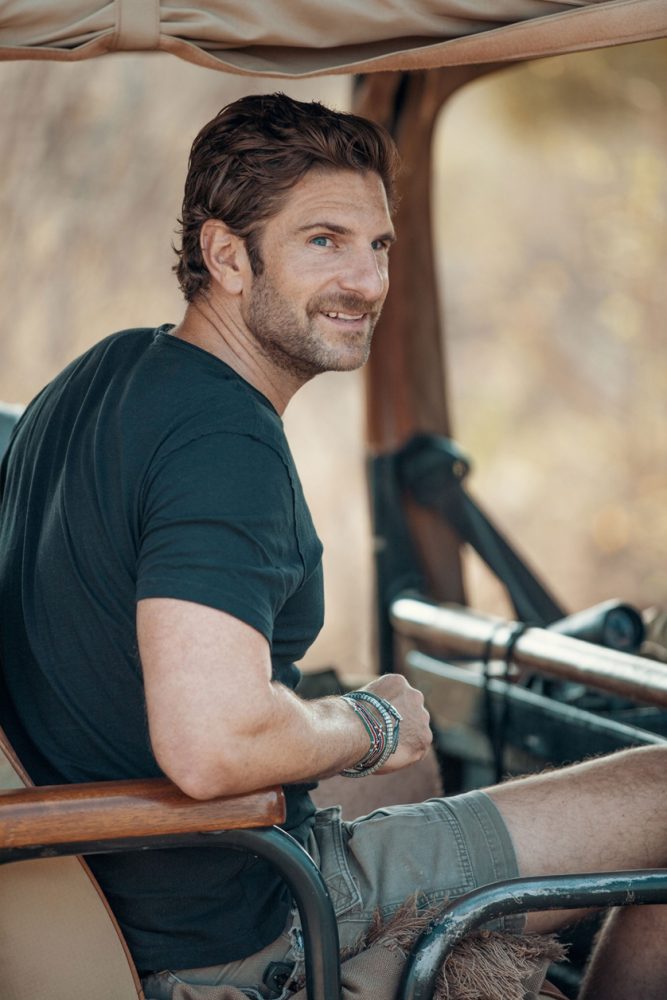
You come from a Danish noble family that is also referenced in Shakespeare’s Hamlet. Tell us about your background and your journey into the gems and jewellery industry.
I come from a very old Danish noble family that can be traced back to around 650 AD, to the Viking age, with a history full of adventure. Shakespeare features two Danish noble families as the prince’s friends in Hamlet, and Rosenkrantz is one of them. My grandfather told me that one of my ancestors was actually a friend of Shakespeare, and that is why he used the Rosenkrantz family name in the play.
I grew up in Denmark on a beautiful estate on a small island, surrounded by nature, which has always been my home. I started working in safaris when I was around 19 or 20, then went back to Denmark to study law, and returned to Tanzania in 2006 to start a textile factory. The global financial crisis killed it in 2008 and I had to find another way to survive. A friend of mine was a diamond dealer and I started working with stones and realised how interesting it is. My experience from the wild helped me discover new places for stones and work directly with the miners, and to start mines myself.
The term artisanal mining is widely discussed in the jewellery world these days. What does it really mean on paper vs. in reality?
I’ll explain with an example. In Nairobi, traditional herding communities have faced severe droughts due to a decade of climate shifts. Two years ago, a catastrophic drought decimated livestock in a village here. One individual lost 53 of 55 cows. With each cow valued at $500, the financial impact was devastating.
Though the land is barren for farming, it is rich in minerals. Local men are strong. I teach them basic techniques and supply equipment. They dig shallow, chemical-free holes that are covered after use. Following seasonal rains, the environment remains undisturbed. Sometimes they find interesting stones and I offer to buy them.
While these deposits cannot support commercial mines, they can provide for small groups. This is artisanal mining: a small scale, low impact industry that creates vital jobs for rural communities at the source.
What inspired you to start a mine run exclusively by women? How do you sustain its operations to ensure job security?
Many women work in the mining sector informally in rural Africa but often find themselves in very uncomfortable situations involving abuse and harassment.
In 2018 in Karoi, Zimbabwe, I founded what I believe is the first all-women mine in the world. It’s called Zimbaqua and is in an area of extreme poverty with very few opportunities, especially for women. We also noticed malnourished children and a poor education system. So we decided the best way to help this situation was to empower the women here. After buying stones for a year, my partner and I found mining potential in this area.
This is a farming area and women are already used to doing hard work. Our mine is an open-cast mine and much of the work requires similar intensity of work. It took us time to change the mindset of community leaders and the government to employ only women in this mine. The women themselves played a crucial role in that change. They were already hardworking, dedicated and focused on their future and their children.
The mine is in 50 hectares of land where we mostly find aquamarines. There are about 35 women who work here.
A few clients and resellers support our project by using its story in their marketing, which is exactly what we want. We are transparent about where the stones come from and how they are mined.
Since gemstones are given as a sign of love or devotion, it is important that they carry good karma. A stone mined by people who cannot feed their children cannot represent that.
Our jewellery brand Rosenkrantz also buys gems from this mine. The mine and our jewellery brand are two different entities.
How and where do you sell Rosenkrantz jewellery?
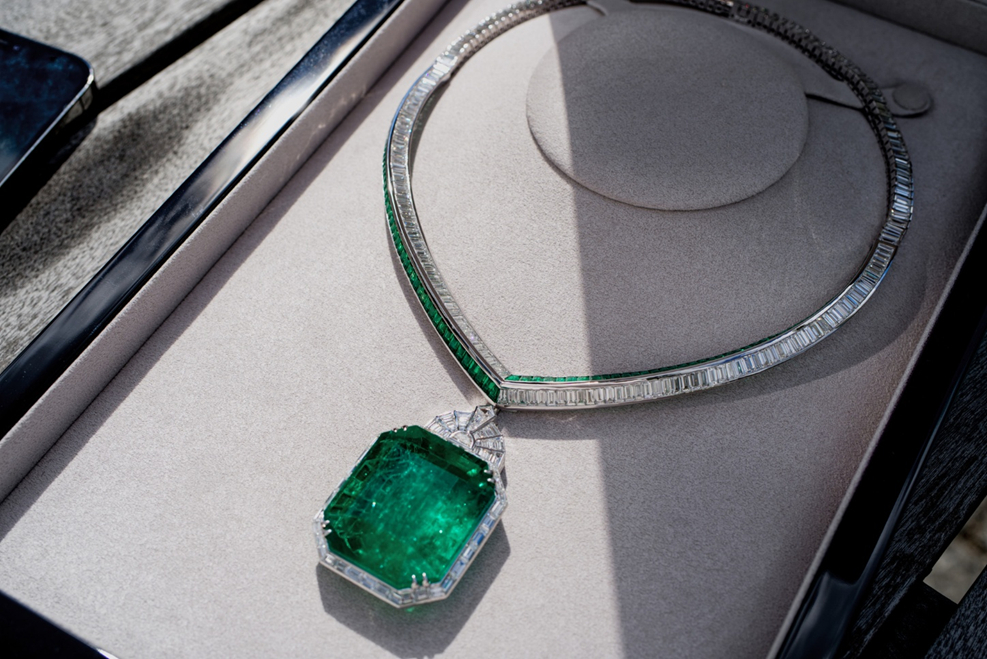
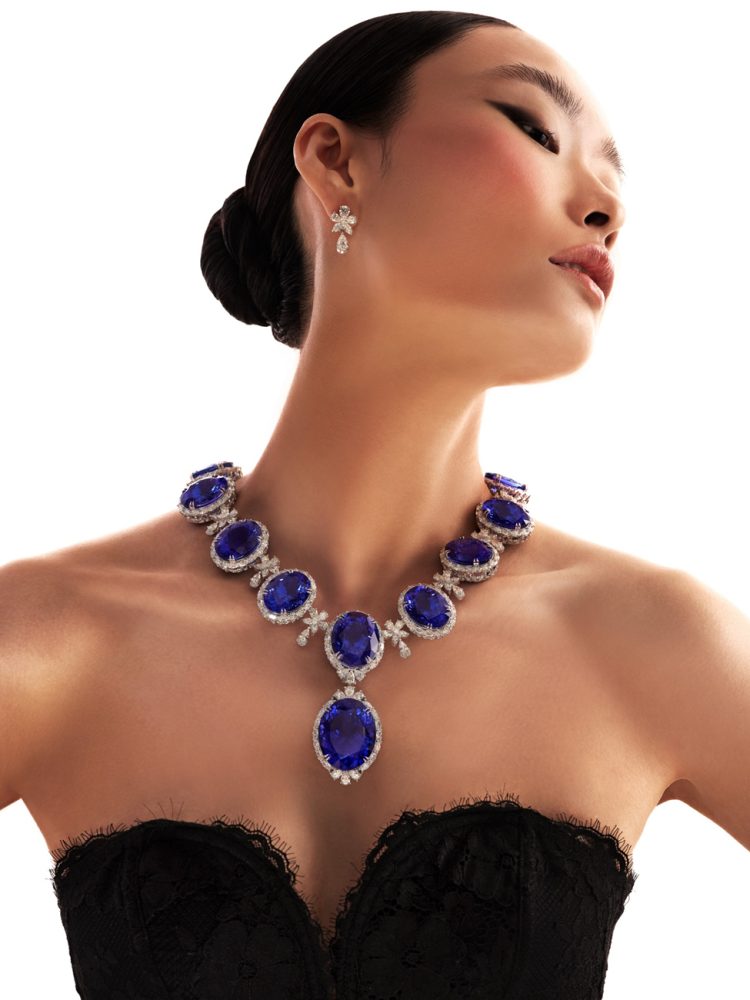
We work mostly with stones in the rarer category: sapphires, spinels and emeralds. We do a lot of custom pieces for private clients, largely in the Middle East, Europe, and Asia. A lot of people are interested in investment-grade stones at the moment, so we work a great deal with stones that are extremely hard to find. We do this business out of our showroom in Nairobi.
What is the Rosenkrantz Gem-Finder initiative ?
The Rosenkrantz Gem-Finder initiative is a high-end expedition that takes participants to a remote Tanzanian ruby mine. They journey deep into wilderness by navigating rivers and mountains, engaging with local communities to locate gemstone deposits.
The initiative connects the passion of local miners with the dreams of global collectors through purposeful travel. If we find gems at the end of the journey, we create a custom jewellery piece designed in collaboration with the client as a permanent token of their expedition.