
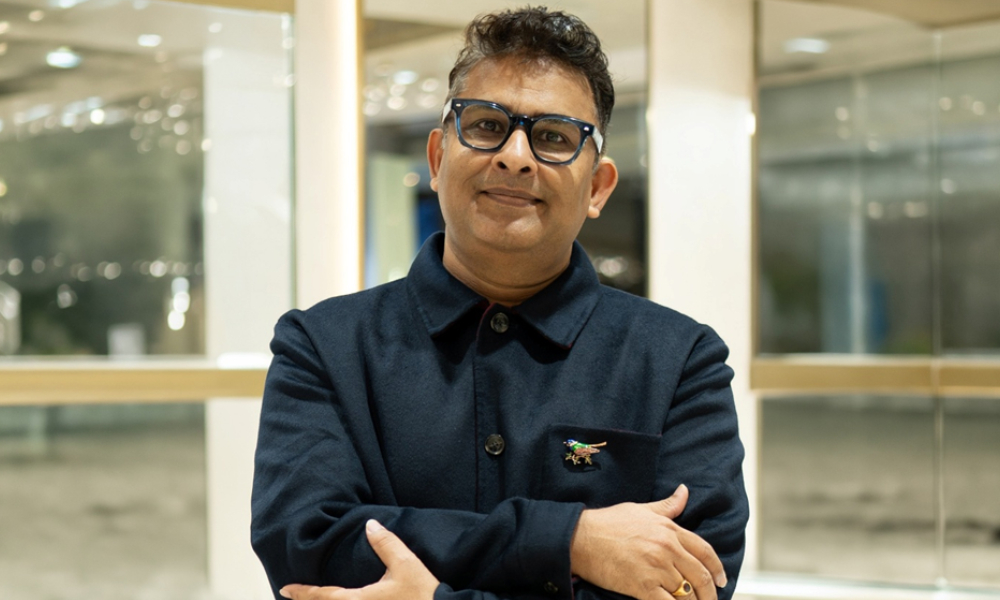
Self-purchase is up, “stacking” is the new style, and natural diamonds are finding a new voice in India. Mallikarjuna Reddy Yarabolu, Managing Director, Forevermark, De Beers India Pvt. Ltd., talks about navigating market noise and redefining aspiration for a new generation of diamond buyers.
Is Forevermark India seeing demand shifting away from low- to mid-price points and strengthening in higher-value segments? If yes, how is the brand recalibrating its assortment and pricing to protect aspiration while staying commercially relevant?
Yes, we are seeing a clear bifurcation in demand, with momentum strengthening in higher-value segments even as entry-level purchases become more considered. The Indian consumer today is more discerning, well-travelled, and values meaning, provenance, and long-term relevance over purely price-led decisions. Importantly, we’re also seeing strong growth in self-purchase and everyday fine jewellery, which is reshaping the value equation beyond just ticket size.
At Forevermark, this shift doesn’t mean moving away from aspiration, it means redefining it. Our approach has been to curate rather than widen. We are consciously designing collections that offer fewer but more thoughtfully crafted choices, anchored in international design sensibilities and uncompromising diamond quality. This allows us to maintain our premium positioning while remaining commercially relevant.
From an assortment perspective, we focus on versatile pieces that transition seamlessly from everyday wear to occasion-led moments so consumers see higher value in how often and how comfortably they can wear fine diamond jewellery. On pricing, our strategy is not about discounting or chasing volume at the lower end, but about ensuring transparency, clarity, and justification of value through design, provenance, and Forevermark’s strict natural diamond selection criteria.
The ability to offer categories without compromising on looks and high quality will continue to be a key aspect for the brand. We will ensure that our products offered are loved and they fit in well with their needs.
Given the erosion in bridal’s share globally and rising lab-grown penetration in engagement rings, how do you plan to reposition natural diamonds in India’s bridal narrative without diluting value perception?
India’s bridal market continues to be resilient and deeply rooted in tradition, where natural diamonds hold enduring relevance as symbols of rarity, authenticity, and permanence. While global trends may indicate shifts in certain segments, in India the emotional and cultural significance of bridal jewellery continues to anchor demand for natural diamonds.
Our focus is on elevating this narrative, bringing sharper emphasis to provenance, craftsmanship, and the inherent rarity of natural diamonds. By reinforcing these attributes through storytelling and design, we are ensuring a clear distinction from lab-grown alternatives, while strengthening value perception.
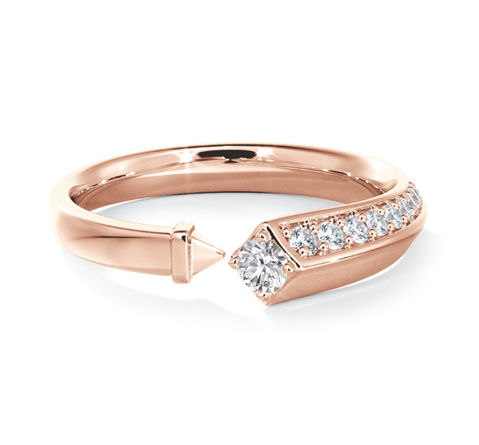
At the same time, we are evolving our design language to reflect the modern Indian bride while creating pieces that are versatile, contemporary, and extend beyond the wedding moment. This allows us to remain culturally relevant while preserving the aspirational and enduring value of natural diamonds in the bridal segment.
Your recent India store launches signal confidence in physical retail, yet the discussion focus is omni-channel. What specific role will e-commerce play beyond discovery? Can it realistically drive high-value conversions for natural diamonds?
Our recent store launches in cities like Patna and Chandigarh reflect our continued confidence in physical retail, particularly for a high-involvement category like natural diamonds, where trust, personalisation, and experience remain paramount. At the same time, I see e-commerce evolving well beyond discovery, it is now integral to how consumers research, educate themselves, and build intent before making a purchase.
From my perspective, digital is increasingly enabling assisted selling and, in select instances, even high-value conversions, especially among more digitally confident consumers. Our omni-channel strategy is therefore focused on seamless integration, where online drives consideration and convenience, and our stores deliver the experience and final closure, ensuring we remain relevant without compromising the integrity of the purchase journey. It is important that brand is made available to the consumer, hence a robust platform to experience the brand is always a must and hence omni is an integral part of the journey.
As younger consumers (25-35 years) show shifting attitudes toward diamonds, what is your strategy to build emotional relevance, especially when identity, meaning, and self-expression are overtaking traditional milestones as purchase triggers?
We are seeing a clear shift in how younger consumers engage with diamonds; they are less driven by tradition and more by self-expression, individuality, and intent. This cohort is highly informed and design-conscious, often entering the category through self-purchase, everyday wear, and personal milestones rather than defined occasions. As a result, diamonds are increasingly becoming a continuous form of personal expression rather than occasion-led purchases.
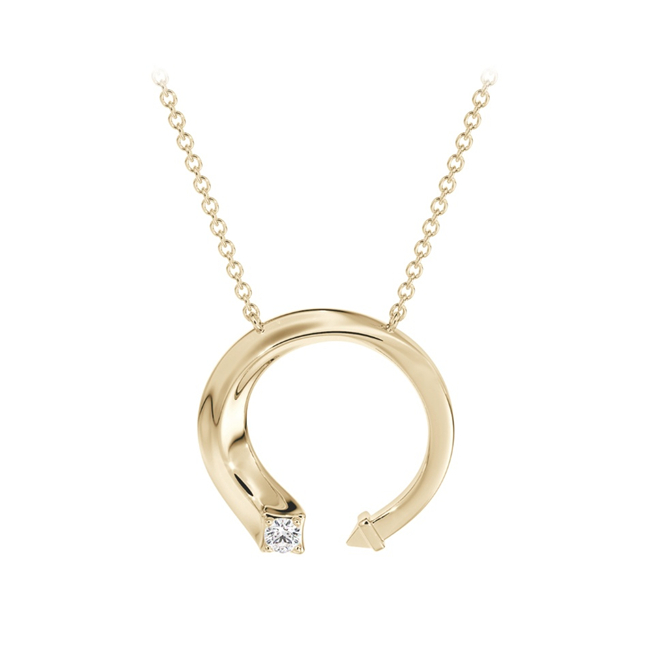
In response, the focus is on contemporary, versatile design and stronger everyday wearability, supported by storytelling that reflects identity, achievement, and individuality. Digital platforms and cultural collaborations further enable deeper connection with how this audience discovers and engages with the category. Today consumers are redefining looks for every occasion yet being minimalist. Natural diamonds play a significant role in creating and enhancing their overall looks.
At Forevermark, we have observed stacking emerging as a key expression of this shift. Rings, bracelets, and layered pieces allow consumers to build their jewellery over time, with each addition reflecting a personal milestone and enabling a more fluid, evolving style narrative. At the core, the emphasis remains on the rarity, authenticity, and enduring value of natural diamonds, while reinterpreting aspiration for a new generation.
What are the three biggest challenges facing the diamond category today across demand, pricing, and consumer perception? And which of these is most acute in India versus global markets?
The category is navigating three clear challenges today. First, demand globally has become more measured, with discretionary spending under pressure and purchase cycles becoming more considered. Second, pricing continues to see volatility, driven by macroeconomic factors and shifts in supply-demand dynamics. Third, and increasingly important, is consumer perception, particularly the growing noise around lab-grown diamonds, which is creating some ambiguity around value.
In India, however, the context is relatively more resilient. Demand fundamentals remain strong, supported by cultural affinity and a growing aspiration for diamonds. The more immediate priority here is shaping perception, clearly reinforcing the distinction and enduring value of natural diamonds, while ensuring we stay aligned with evolving consumer expectations.
Do you believe the diamond industry needs course correction, or is the current turbulence a normal phase that will self-correct without intervention? What role will generic category marketing play in the recovery process?
The current phase is a mix of cyclical slowdown and some structural shifts. A certain level of correction is expected in any discretionary category but given the amount of noise around pricing and product differences, the industry does need to be more proactive rather than waiting for things to settle on their own.
One of the bigger challenges right now is consumer clarity. With multiple narratives, especially around lab-grown, there is some confusion around what different products stand for and how they should be valued. That’s something the industry needs to address more directly and consistently. Also, it is important that as an industry we create many occasions for consumers to rejoice their natural diamonds purchase.
In that context, generic category marketing has an important role to play. There is a need to come together and reinforce what natural diamonds represent – rarity, authenticity, and emotional significance – so that consumer confidence and long-term demand continue to build.