
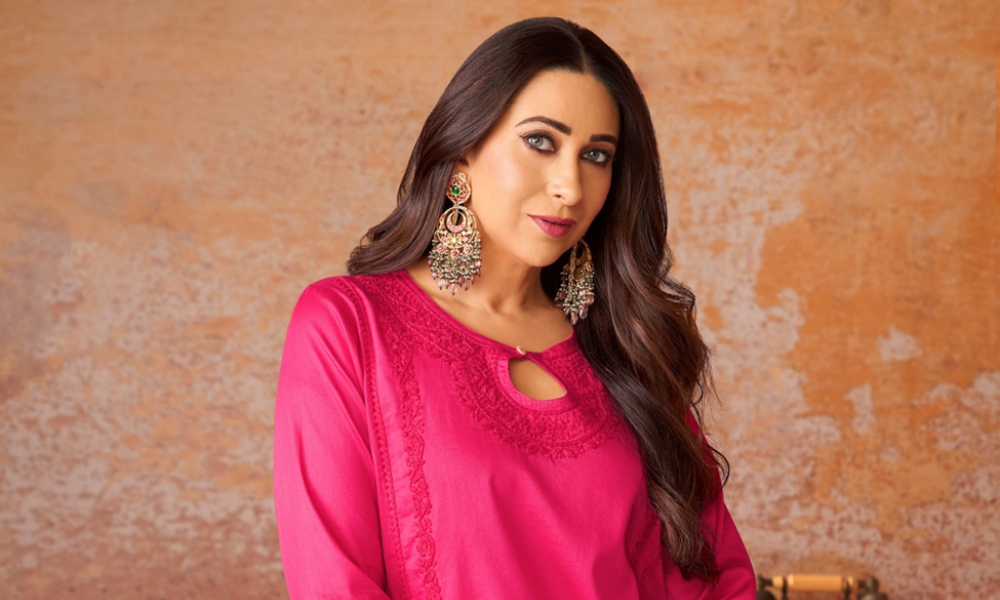
In the legendary courts of erstwhile princely Punjab, a jeweller’s reputation rested on time-honoured craftsmanship, integrity, and the rare quality of gemstones. It was an era when, for the jeweller, customer satisfaction in the form of genuine appreciation took precedence over commercial gains. Jagdish Jewellers, Chandigarh, is a heritage jewellery house that once served the royals of Patiala, continues to uphold that ethos, serving modern-day connoisseurs with the same discipline with which it served its royal patrons. In an interview with Shilpa Dhamija, Susham Singla, the eighth-generation custodian of the jewellery brand, reflects on why preserving the inheritance of Punjabi master craftsmanship continues to be the brand’s priority over the frantic pursuit of scale.
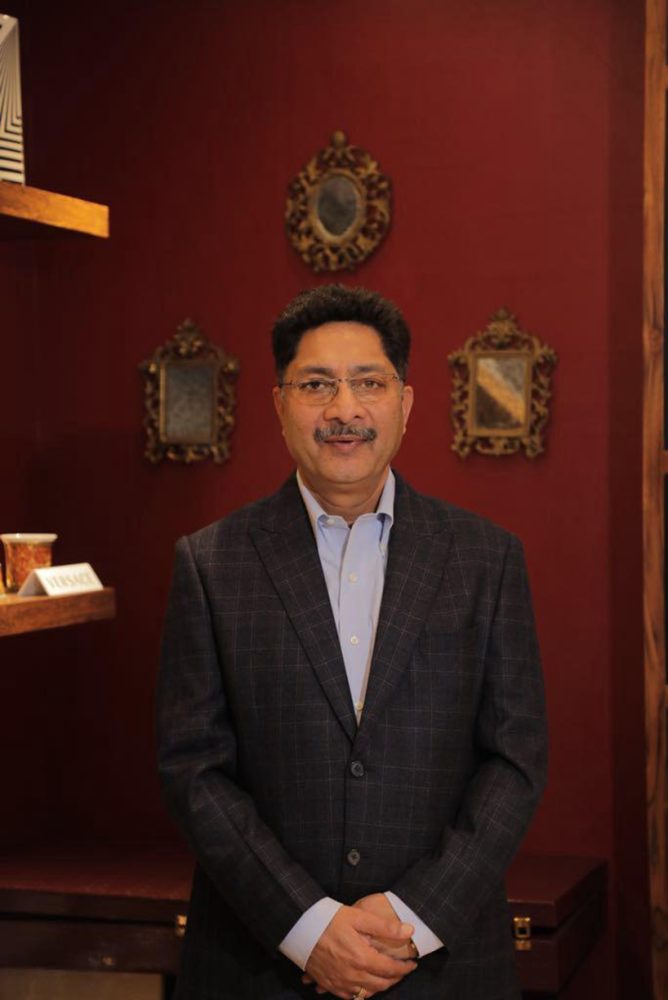
How would you describe your brand’s legacy of serving the Patiala royal family?
Our family has worked with the Patiala royal household through many generations. My forefathers and my father shared stories about how they would travel to the palaces in Punjab to receive commissions and design bespoke jewellery. Being based locally, they made many pieces using precious and rare stones, while international houses such as Cartier were primarily engaged for diamond jewellery.
Our strength lay in our access to fine gemstones, and the ability to execute bespoke pieces rooted in Indian techniques. The relationship with the royals was built purely on trust and the consistency in our quality work. These ethics are our inheritance – winning the customer’s trust through quality, integrity, and honest service.
According to you, how has jewellery-making changed over time? How have consumption patterns of ultra wealthy consumers evolved?
Traditionally, a jeweller (Johri) in India occupied a defined social position, comparable to that of a doctor or a lawyer. It even reflected in his attire. Back in the day, a respectable jeweller was characterised as much by his conduct as by his craft. His speech was measured, his claims restrained, no exaggeration and no overcommitment. Ethics was central to doing business: correct pricing, no compromise in quality for speedy delivery. Today, however, the industry is largely driven by competition, ROI, and profit.
While buying patterns of consumers have evolved over the years, we still have clients, who have grown up with well-crafted jewellery in their families and are very conscious of quality. They insist on real gemstones and would rather buy fewer pieces than compromise on authenticity.
Historically, royals had refined taste, elegance, and nurtured close connections with jewellers. They purchased jewellery for personal satisfaction and courtly display, not for public approval. While today’s ultra-wealthy consumers possess the means, they tend to navigate the market through the lens of stylists and social media, whereas the discernment of historical royals was perhaps more intuitive. Of course, today there are still some contemporary consumers who buy jewellery for themselves like the royals did.
What sets Punjabi jewellery craftsmanship apart from other Indian regions? What are traditional Punjabi ornaments?
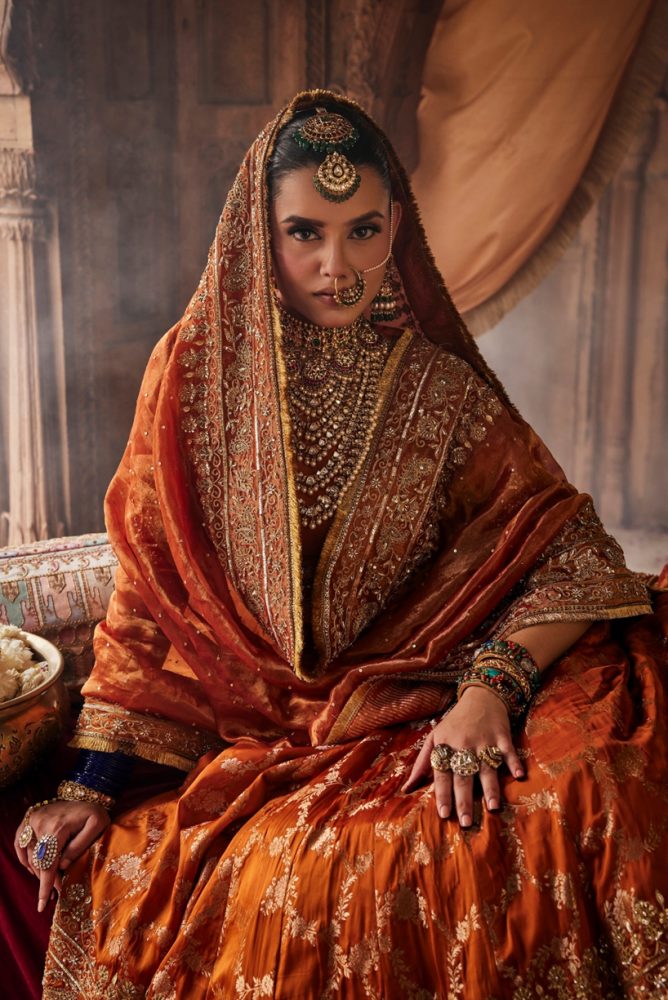
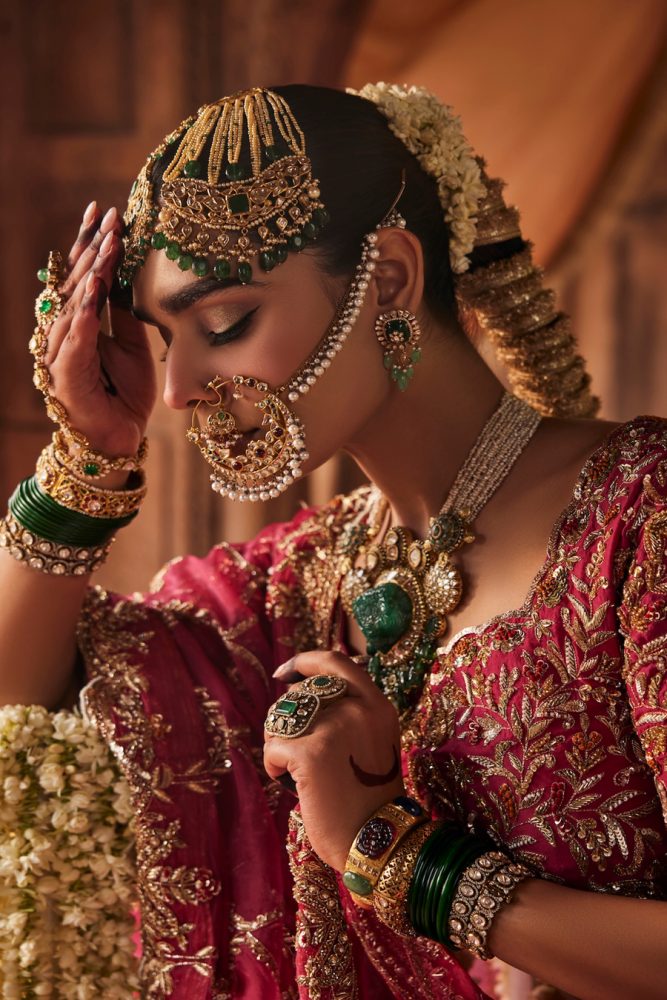
Punjab, before the partition, was known for its kundan and jadau jewellery, which was made mostly with coloured gemstones. Emeralds, rubies, and sapphires were used extensively giving Punjabi pieces a unique vibrancy and identity. Pre-partition, greater Punjab, including cities like Lahore heavily influenced this style. Punjabi jadau had subtle differences from the Rajasthani jadau that we see today, particularly in execution. In the former, deeper cavities and more gold were used to fit in large coloured gems.
Amritsar was a major production centre of this kind of jewellery. However, over time, the quality deteriorated as manufacturers prioritised scale and exports over time-honoured craftsmanship. If the historical standards had been maintained, Punjabi jadau jewellery would have retained an even stronger unique identity across the subcontinent today.
About 14-15 years ago, we revived the Mang Tikka, a distinctly Punjabi traditional jewellery form. For years, it had been forgotten outside of Punjab. We ran ad campaigns for several years, highlighting the correct design and form of the traditional Punjabi Mang Tikka. Gradually, it began appearing in movies and at celebrity weddings. While in Punjab the Tikka is worn mostly by the bride and her immediate family, today we see more women wearing it as part of their stylish ensembles at weddings or religious functions. Over time, we also started celebrating other popular Sheesh or head ornaments like the Punjabi style Mattha-Patti, which are now commonly seen across diverse cultures in India and abroad, even in regions where they were rarely featured earlier.
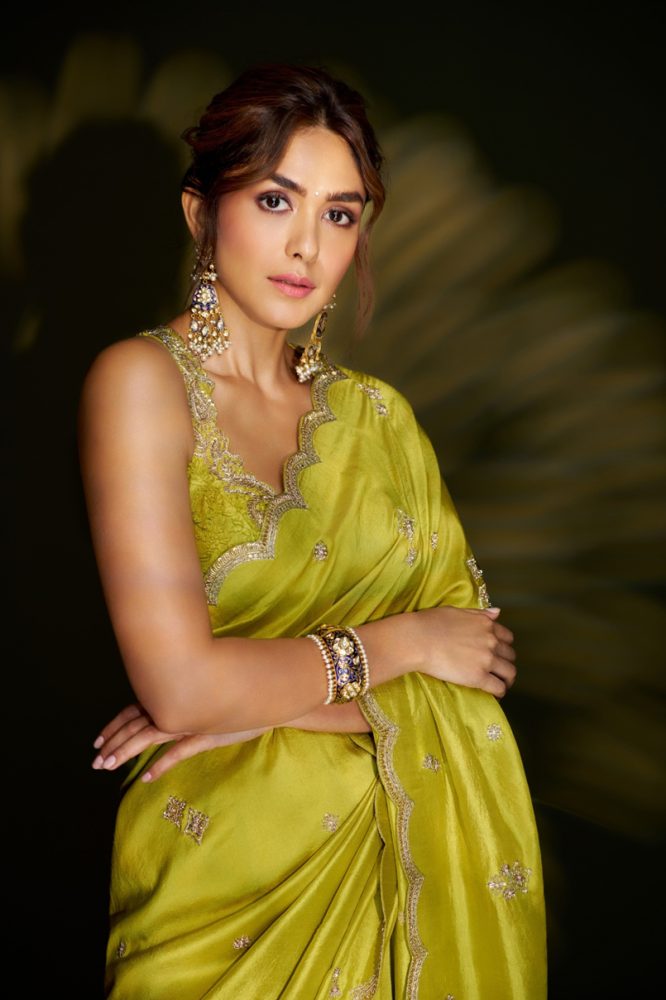
You have collaborated with high profile designers and celebrities like JJ Valaya and Mrunal Thakur. How effective are such celebrity placements and social media presence in promoting heritage jewellery?
Celebrity placements do not generate direct sales but raise awareness and visibility. Social media has proven more effective than traditional print media, allowing clients to explore products conveniently. Advertising is necessary, but we keep it minimal, targeted, and meaningful, focusing on educating clients rather than flashy campaigns.