
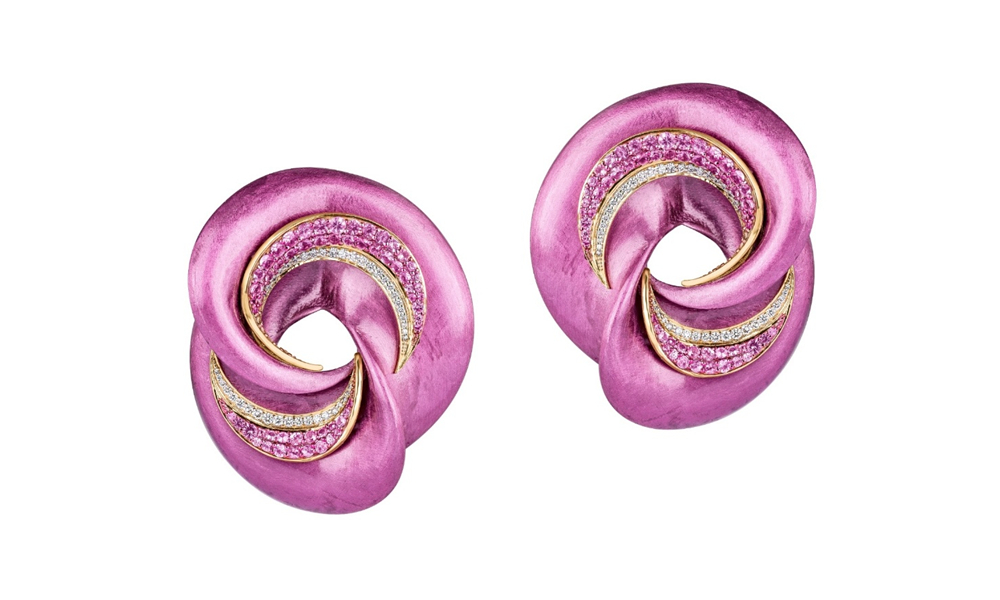
The future of natural diamond jewellery may not necessarily be forged in heavier gold. It is gradually being shaped through material experimentation and a renewed thrust on design and wearability. As bullion prices continue their upward climb, some bold, futuristic Indian brands have already begun to shift focus — from the weight of the metal to the desirability of the diamond itself, the focus is shifting towards giving the gemstone greater visual and emotional prominence.
With metal prices soaring and maintaining an upward but unsteady graph, Indian manufacturers are being forced to confront reality head on. Some jewellers I spoke to are quick on their feet — downsizing karatage, moving from 22-karat to 18- and 14-karat plain or studded gold to make jewellery more affordable, while still keeping design elements in tandem with regional aesthetics and consumer sentiment.
The new survival strategy clearly envisages scaling down karatage across categories — both in plain gold as well as diamond-studded jewellery.
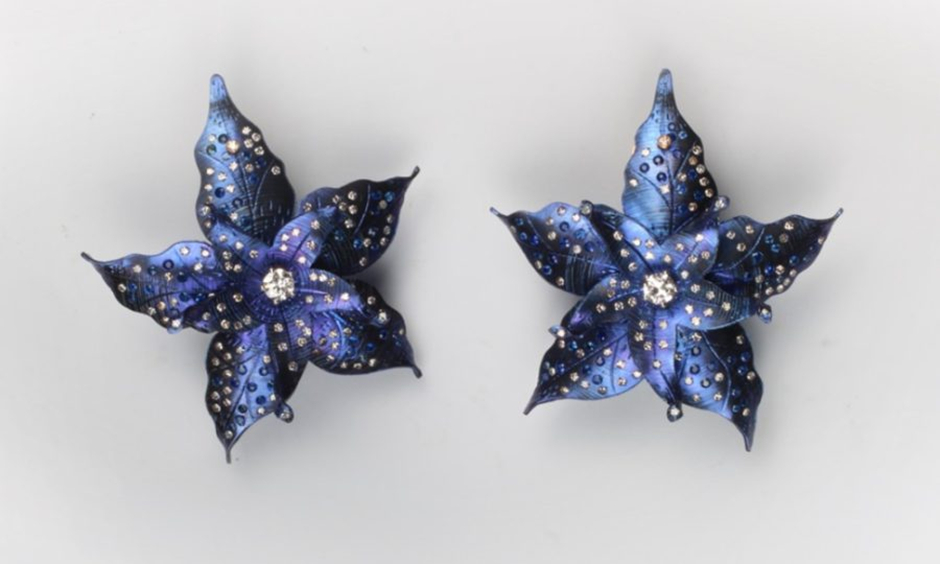
But wait a minute — beyond this practical recalibration lies another, more interesting movement.
There are manufacturers who have already begun transitioning from conventional, gold-reliant jewellery to titanium, aluminium and oxidised silver and other alternative material — all adorned with natural diamonds. These are the players who seem future-ready and experimental. Instead of merely reacting to soaring bullion prices, they have already been rethinking the very framework of jewellery design and value creation.
In many ways, they march to their own beat.
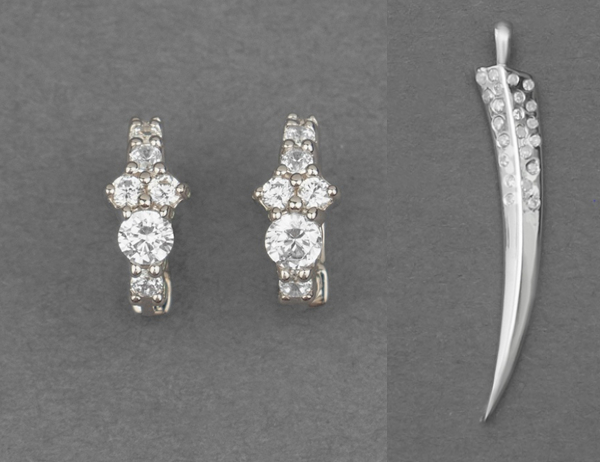
Their pieces are lighter, sharply design-led, and often technologically driven — while simultaneously adding stronger margins to the final product and bringing the spotlight back to the intrinsic value of natural diamonds.
It is the natural diamond that ultimately commands attention and emotional value in this evolving design language – where the metal becomes just a backdrop, not the hero.
The shift is subtle but significant: consumers are slowly beginning to appreciate diamonds not merely as an adjunct to gold jewellery, but as the centrepiece of design, rarity and aspiration.
In fact, lighter and unconventional metals often allow the brilliance, texture and individuality of natural diamonds to take the spotlight far more effectively than heavy gold constructions.
The conversation, therefore, needs to move beyond gram weight and karatage. The future of natural diamond jewellery may well lie in elevating the diamond itself — its story, craftsmanship and desirability — while the metal simply enables the expression.
Perhaps this is where the industry needs to gradually shift — towards the philosophy long embraced by the luxury watch industry.
When we buy a luxury watch, we do not clinically dissect the value of every gem, screw, spring or component embedded within it. The value of the piece lies in its technical prowess, craftsmanship, engineering, design language and gem expertise as a whole.
So why should jewellery continue to be viewed only through the lens of metal weight and gem breakdowns?
The onus now lies on brands and manufacturers to move beyond conventional metal barriers and create offbeat, narrative-led collections woven around diamonds. The next chapter may well belong to those who can make consumers fall in love with diamond-studded designer pieces beyond their bullion value.
Perhaps the real opportunity lies in how creatively the industry interprets this shift for a new generation of consumers.