
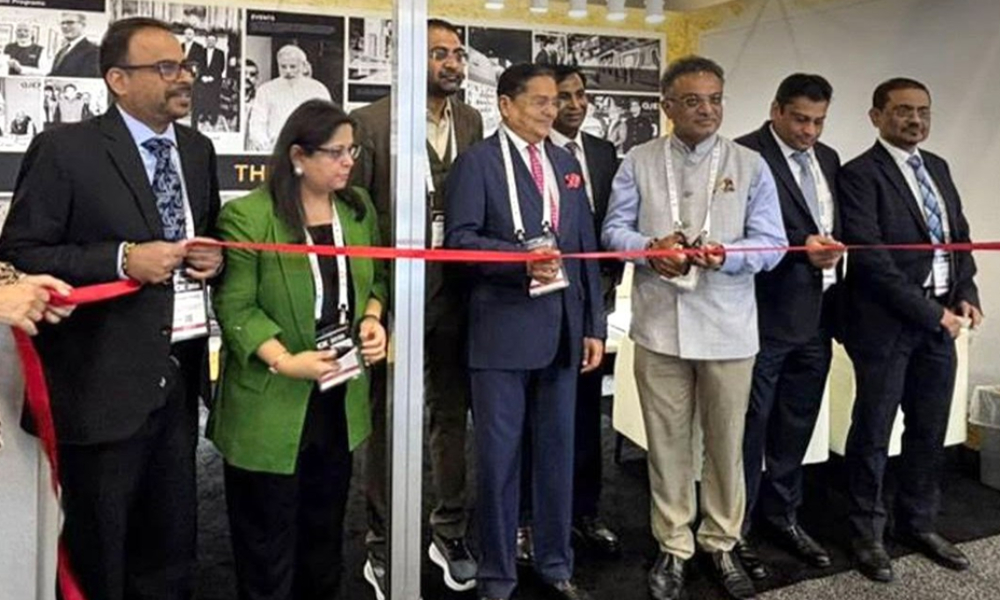
Indian exhibitors at JCK Las Vegas 2026 reported robust order flow and enquiries despite global economic uncertainties.
Serving as a crucial bridge to the leading North American market, the strong Indian contingent, anchored by the Gem & Jewellery Export Promotion Council (GJEPC), capitalised on the vast jewellery trade event at The Venetian Expo to offer high-volume manufacturing, as well as high-margin, design-centric luxury.
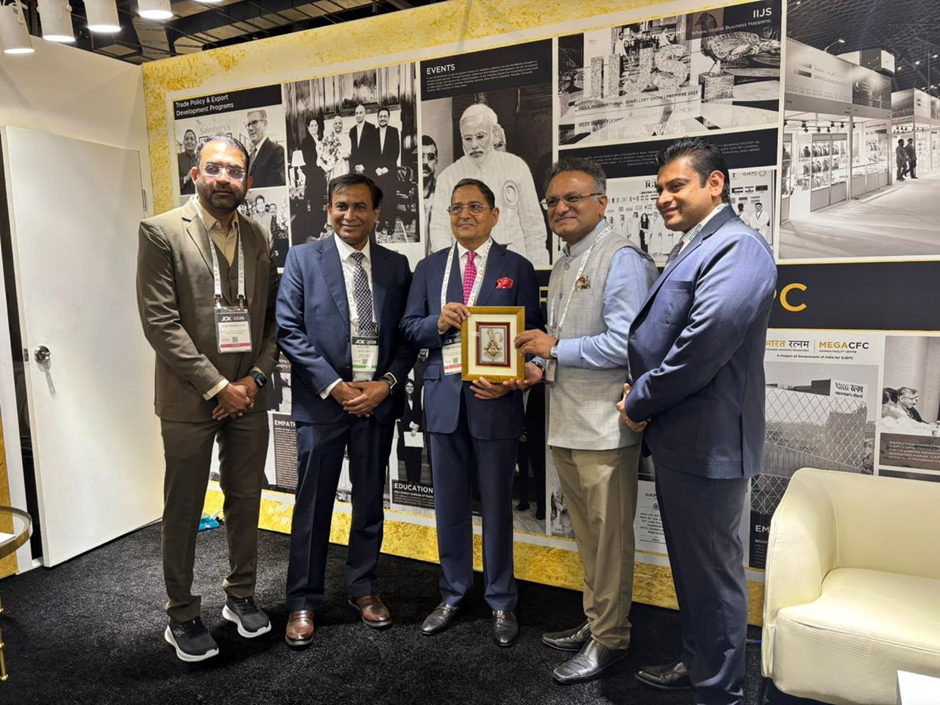
The GJEPC marked its 21st consecutive year at the show by organising a massive 3,900-square-foot India Pavilion under the “Brilliant Bharat” initiative.
Featuring 33 premier member exporters across Levels 1 and 2, the pavilion became an immediate focal point for international retail buyers.
This strategic grouping directly elevated the visibility of Indian craftsmanship, positioning the country not merely as an automated back-end supplier, but as a major driver of modern global jewellery trends.
A significant driver of the strong enquiry volume was the deep stratification of the diamond market, a central theme of the 2026 show.
Indian diamond manufacturers navigated the evolving consumer landscape by establishing separate commercial pipelines for natural and laboratory-grown diamonds.
Big Natural Diamonds In Demand
For natural stones, major Indian firms like Kiran Gems witnessed substantial retail order flow for rare, GIA-certified investment-grade diamonds and premium jewellery layouts.
Shivam Jewels, recently designated as a De Beers Sightholder, reported strong demand for heavier, elongated fancy shaped diamonds like ovals, marquises, and emerald cuts.
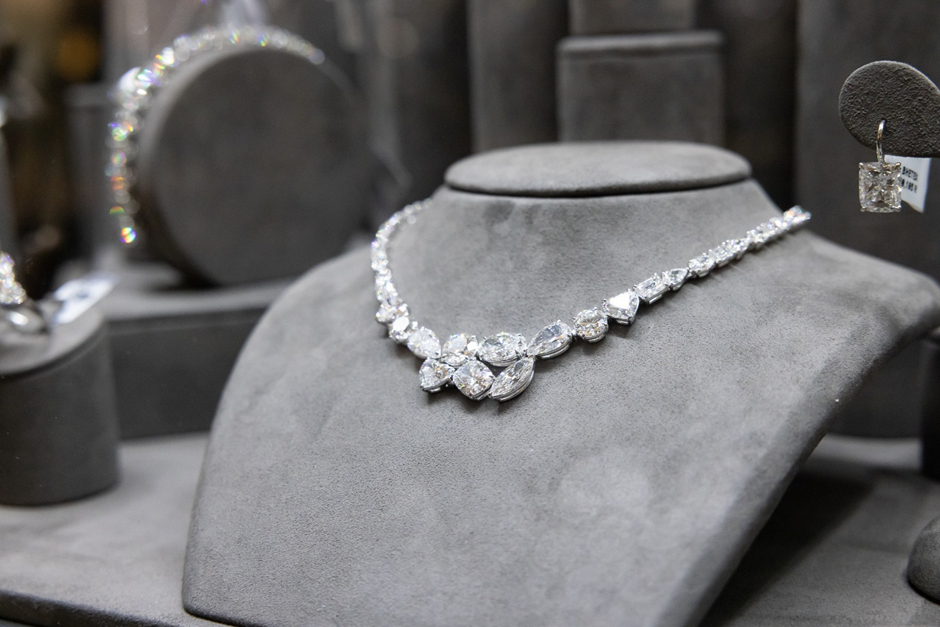
International buyers increasingly turned to trusted Indian legacy names to source long-term stores of value, yielding resilient, high-ticket transactions in large carat weights and unique fancy cuts.
Furthermore, the “India Design Gallery,” located at the Level 1 Lobby, acted as a vital visual anchor, drawing interest from visitors from high-end boutiques.
Recognising the pricing pressures of soaring gold costs, Indian fine jewellery exhibitors like Shri Arihant Mangal introduced “sculptural minimalism” concepts. Their collections combined platinum, gold, and silver with genuine gemstones to provide the visual impact of heavy solid gold without the prohibitive weight. Buyers responded highly favourably to these metallurgical innovations and the inclusion of premium coloured gemstones like rubies, sapphires, and Jaipur-cut emeralds, which kept the order flow steady.
Ashish Sand, Co-founder, Savio Jewellery, noted: “JCK provides the platform where in jewellery trade community finds the optimal stage for business growth by uniting the industry to buy, sell, network, and discover. The most in-demand pieces at the show for us were colour gemstones pieces, diamond-forward pieces, and versatile gold jewellery, but the price bands varied a lot by category. Buyers were shopping both approachable pieces and high-end statement items, rather than one single tier category.
“The strongest buying presence came from a mix of large US retail chains, independent jewellers, luxury retailers, e-commerce jewellery sellers, and international buyers as in from Canada and South America. While gem-studded jewellery appeared to witness a stronger growth story, the notable shift was that buyers evinced more interested in fancy colour diamonds.”
The performance of Indian exhibitors at JCK Las Vegas underscored their remarkable adaptability and market resilience. By seamlessly blending centuries-old artisanal mastery with modern technological ingenuity and design-first scaling, India’s gem and jewellery sector solidified its commercial leadership on the global stage, converting heavy visitor footfall into highly successful business.
The laboratory-grown diamond (LGD) sector saw immense buyer traffic, driven heavily by Indian heavyweights like Mithila Diamonds LLC.
While the maturation and price stabilisation of laboratory-grown diamonds triggered aggressive market competition, Indian exhibitors capitalised on this by capturing the fashion and accessible bridal market segments.
Rather than focusing solely on stone size, Indian laboratory-grown innovators secured massive contract enquiries by presenting fancy coloured laboratory-grown diamonds in striking pinks, blues, and yellows, which drew high praise from budget-conscious commercial retail chains.
In the wider trade, highly visible marketing initiatives led by Botswana and Angola boosted sentiment in the natural diamond segment.
Industry leader Martin Rapaport, in an address to JCK Las Vegas delegates, urged natural diamond jewellery marketers to focus on the luxury market, creating an “aspirational effect”, so that people would buy more diamonds as their prices rose.
“The ultimate solution for the industry is to get back to the high end,” he said.
Coloured gemstone dealers spoke of ongoing complications from US tariffs with some suppliers struggling with procedures to book refunds.
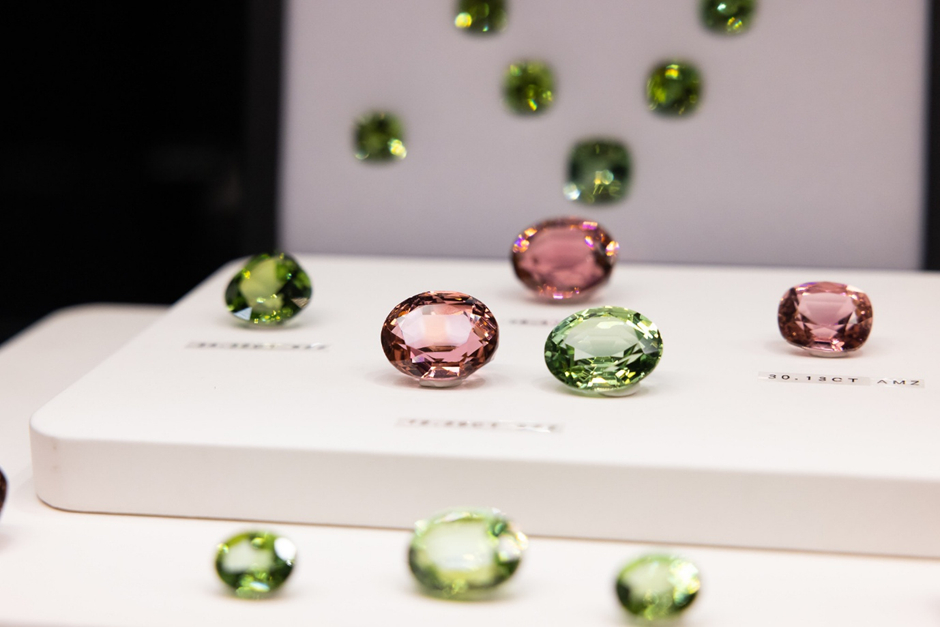
Dealers noted growing demand for tourmalines, including Paraiba types, and for alexandrites, with tight supplies underpinning prices of rubies, emeralds and sapphires.
Nivoda reported that it was expanding its offering of loose diamonds and gemstones to fine jewellery.
Italian gold jewellery exporters embraced efforts to innovate to offer more competitive designs, including lighter weight pieces, to combat the impact from high and volatile bullion prices, tariffs and conflict in the Middle East, a leading market.
Italian exporters are seeking to expand into alternative geographical markets, such as South American and African countries.
Overall, JCK Las Vegas saw high turnout from the start, with upbeat sentiment driven by buoyant demand for jewellery, seen as offering reassurance to customers in challenging times.