
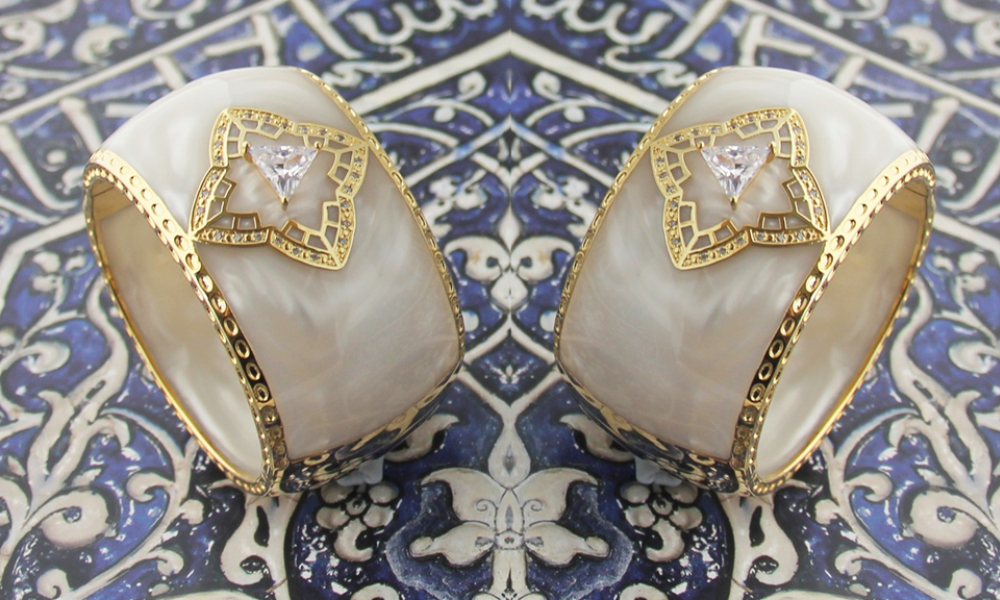
Rooted in heritage yet fluent in modernity, Mitaali Vohra, the founder of MNV Fine Jewels and The Bohemian, is redefining luxury through intimacy, craftsmanship, and enduring design.
In an era where jewellery often vies for attention through scale and spectacle, Mitaali Vohra’s designs do not demand to be noticed; they invite discovery. Vohra has carved a distinctive space in Indian fine jewellery—one where emotion outweighs excess, and longevity trumps trend.
As the founder of MNV Fine Jewels and The Bohemian, and creative director at Roopa Vohra Fine Jewelry, Vohra brings to her practice a lineage steeped in craftsmanship, a formal education in gemmology, and an instinctive understanding of jewellery’s deeply personal role in Indian culture. “Growing up in a respected Indian jewellery family, I was surrounded by extraordinary pieces,” she reflects. “But what stayed with me was not opulence—it was meaning.”
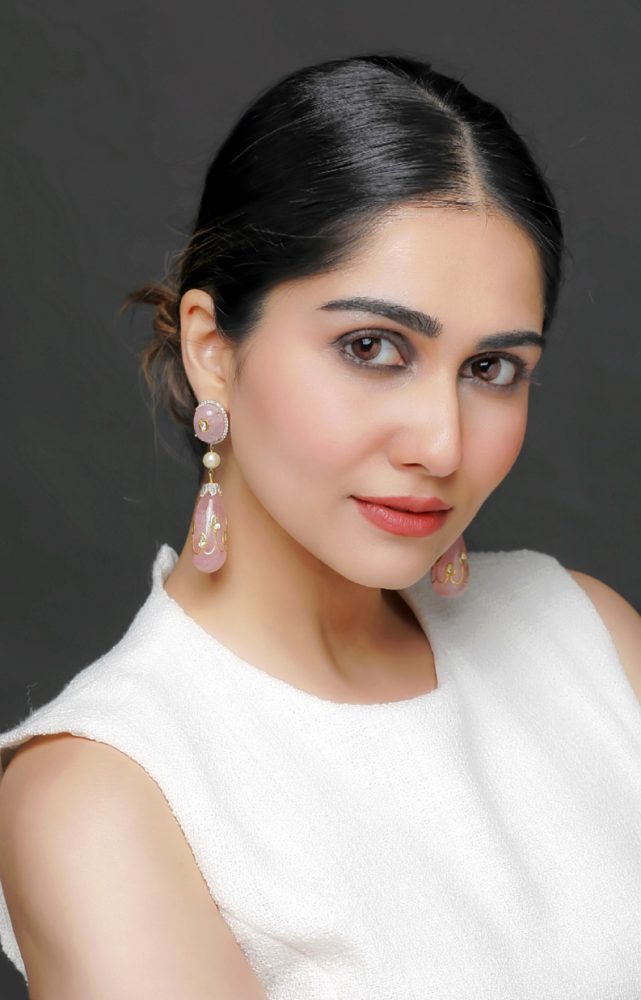
Designing with Emotion, Not Excess
For Vohra, jewellery has always been about intimacy. “The pieces that truly endure are the ones that gradually become part of a woman’s life,” she says. “Both MNV Fine Jewels and The Bohemian were born from a desire to merge heritage with modern sensibility,” she explains. “The intention was never to create statement jewellery for its own sake, but pieces that feel personal, enduring, and deeply connected to the wearer.”
This understated approach has become Vohra’s signature—refined silhouettes, thoughtful proportions, and designs that reveal themselves over time.
Designing for Longevity
In a market increasingly influenced by global fashion cycles, Vohra remains steadfast in her resistance to trend-led design. “Trends date quickly, whereas emotion does not,” she states simply. “I design with how a piece will live with someone in mind—how it layers, how it ages, how it becomes familiar,” she says. Subtle individuality, rather than overt motifs, ensures longevity. Transitional design plays a key role here: coral bracelets that extend into cocktail chokers, bespoke tennis bracelets that have become enduring favourites for occasion gifting. “When a piece feels intuitive to wear, it naturally endures,” Vohra adds.
Letting the Stone Lead
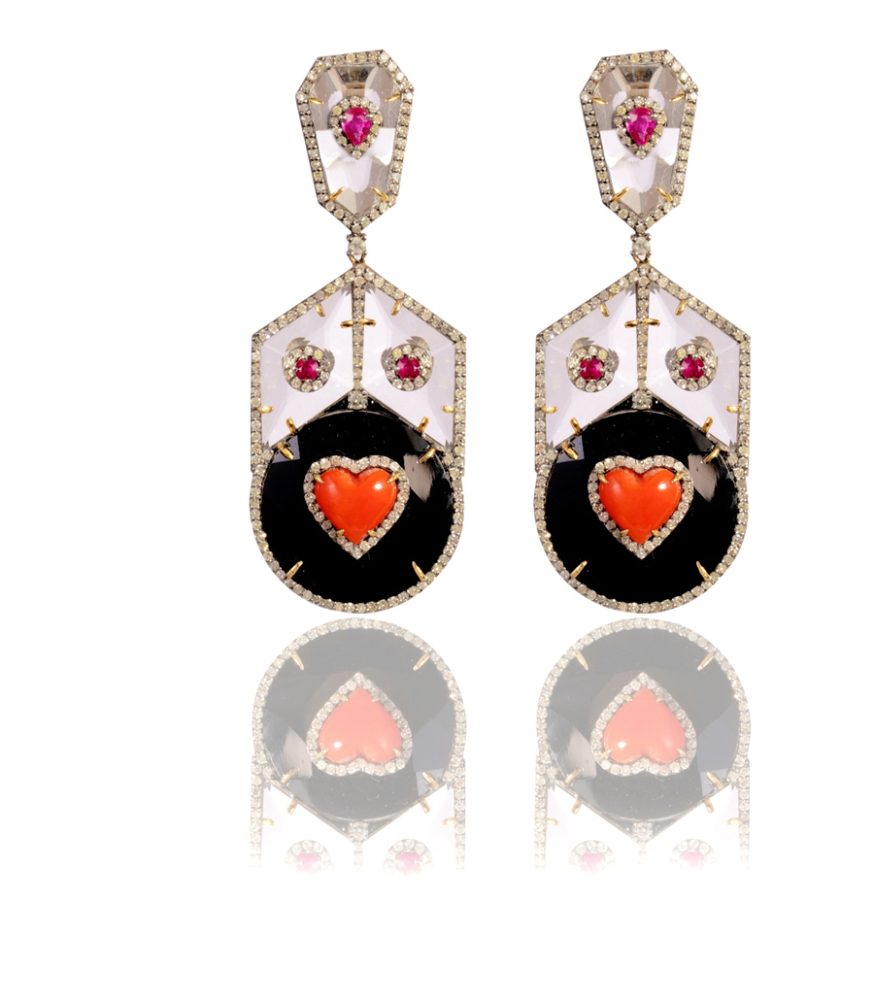
A trained gemmologist with experience at Sotheby’s, Vohra’s design process often begins not with a sketch, but with a gemstone. “Gemstones have their own character, energy, and narrative,” she explains. “Often, the stone itself guides the design.”
Her role as creative director at Roopa Vohra Fine Jewelry has further deepened this stone-first approach, allowing her to work closely with rare and exceptional gems. Emeralds and tanzanites, in particular, hold a special place in her creative vocabulary. “They’re incredibly expressive stones,” she says, “whether set in Victorian-inspired designs or interpreted through an Art Deco lens.”
In bespoke commissions, the dialogue expands to include the client’s story. “The final form emerges at the intersection of the gemstone’s personality and the wearer’s life,” she notes. “That’s where the most meaningful pieces are born.”
Craftsmanship as a Living Legacy
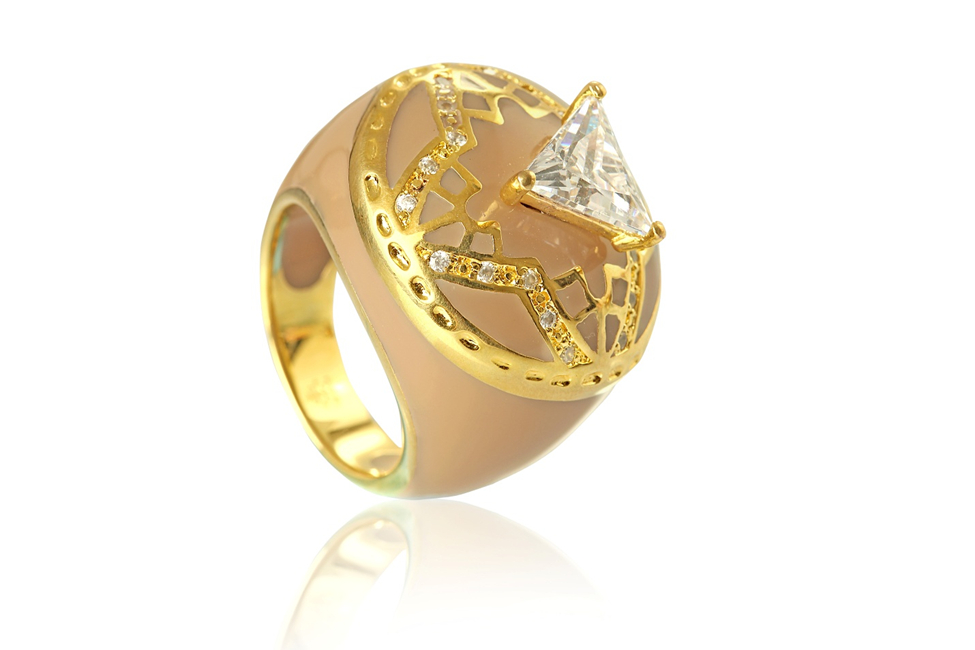
If gemstones are the soul of Vohra’s jewellery, craftsmanship is its backbone. Her deep respect for Indian artisanal traditions is rooted in family history—particularly the painstaking art of Thewa, a rare form of gold embossing on glass that her family has worked to preserve for over three decades.
Rather than diluting tradition in pursuit of modernity, Vohra focuses on careful editing. “Contemporary luxury doesn’t mean abandoning heritage—it means refining it,” she explains. Clean lines, precise finishing, and thoughtful proportions allow traditional techniques to feel relevant without appearing ornate or dated. “It’s about evolution, not dilution.”
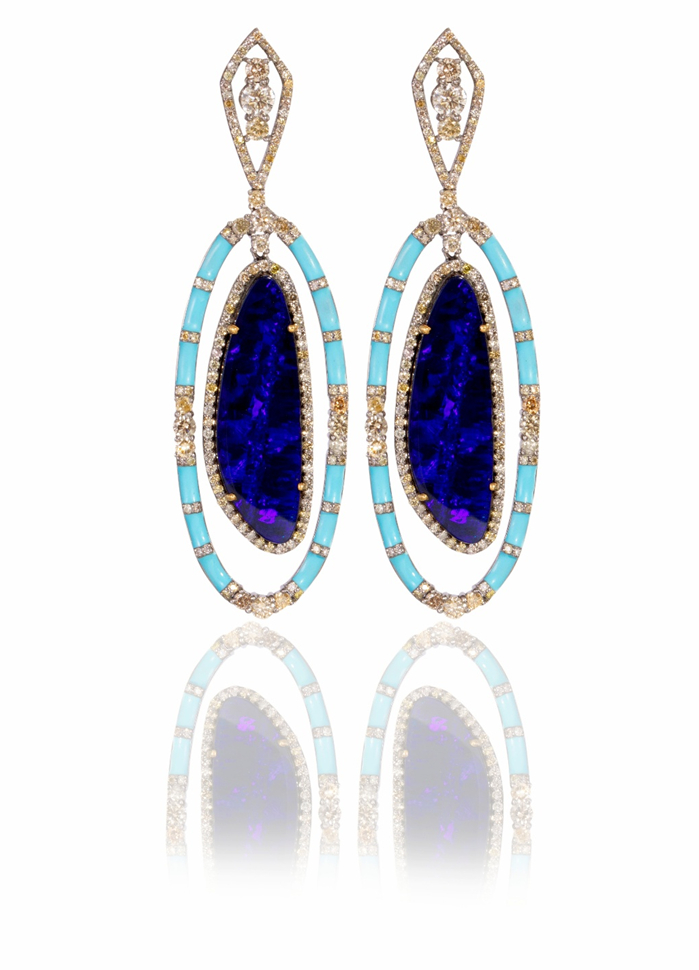
Redefining Luxury for the Modern Indian Client
In today’s India, luxury is no longer defined by scale alone. “Luxury today is discernment,” Vohra observes. A well-travelled, informed clientele is increasingly prioritising authenticity, provenance, and personal relevance over ostentation. “Our clients value intention and trust,” she says.
This shift has also elevated the importance of provenance. “Value is no longer derived merely from the grams of gold in a piece,” Vohra explains. “Understanding where a gemstone comes from and how a piece is made is now integral to its worth.”
The Rise of Bespoke Luxury
Customisation has always been integral to Vohra’s practice, but today’s clients are more involved than ever. “They want to understand stones, design decisions, and craftsmanship,” she says.
Creatively, this has enabled richer storytelling and collaboration. Commercially, it has reinforced a by-appointment, relationship-driven model. “It’s slower than volume-based growth,” she admits, “but infinitely more meaningful.”
For Vohra, creative integrity and commercial viability are not opposing forces. “When your design language is honest and consistent, the right clients find you,” she says. “Luxury, by nature, is selective.”
Looking Ahead: Quiet Luxury, Global Language
As she looks to the future, Vohra remains committed to refinement rather than expansion.
Culturally, her work will continue to bridge India and the West, honouring indigenous craftsmanship while speaking a contemporary, global language. International growth, too, will remain intentional. “The focus is on building a legacy,” she concludes, “of quiet, thoughtful luxury—pieces that endure not because they shout, but because they matter.”