
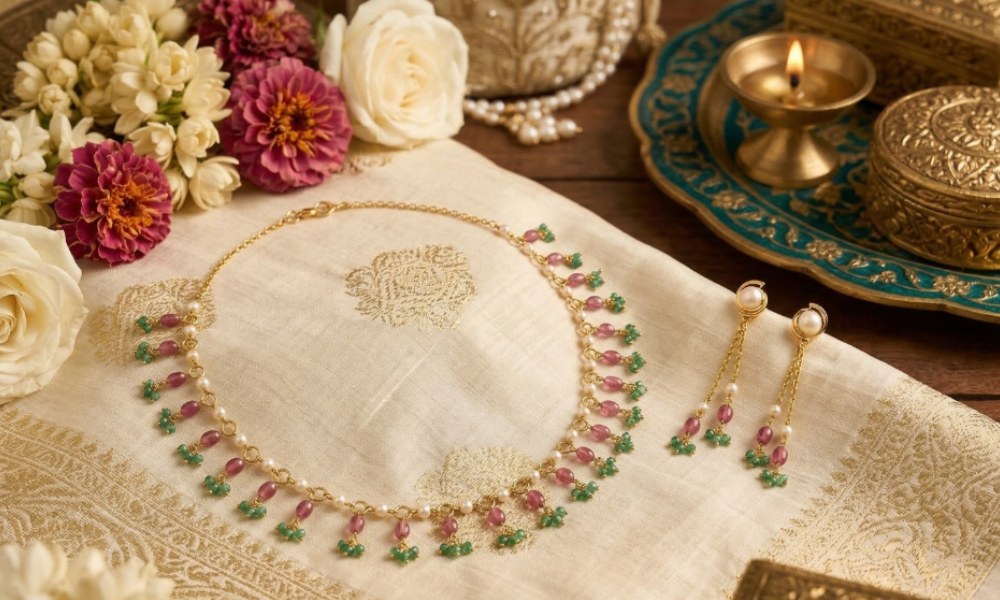
With a legacy that dates to the Nizam era, Sri Jagdamba Pearls has spent over a century preserving Hyderabad’s rich pearl heritage while evolving with changing times. From serving as jewellers to the Nizam’s court to becoming one of India’s earliest jewellery brands to embrace e-commerce, the brand continues to blend craftsmanship, authenticity, and innovation. Avanish Agarwal, CEO & Managing Partner, talks about the importance of preserving tradition, artisanal skills, trust, and the growing appeal of pearls among modern consumers. He estimates that over the next five to ten years, the global pearl jewellery market is poised for explosive growth and could double from roughly $15 billion to over $30 billion!
Jagdamba Pearls traces its roots back to the Nizam era and has completed over a century of legacy. Describe the journey of the brand from 1924 as a court jeweller to the present-day retail brand. What values have remained constant across generations?
Sri Jagdamba Pearls has evolved from being jewellers to the Nizams into India’s first online pearl retailer in 1999 and, today, into a modern omni-channel brand across India with stores in Hyderabad and Bengaluru, and two more coming up in Vizag and Cochin.
Founded by Sri Fakeerchand Motiwale, the brand originally served as jeweller and pearl valuer to the Nizam of Hyderabad’s court, sourcing rare, natural Basra pearls.
Across four generations, its core values have remained unchanged: offering only certified, genuine pearls; support traditional, hand-drilling artisans; and prioritising buyer education along with a lifetime guarantee. Our philosophy rests on the fact that “a pearl purchased today should be worth more tomorrow” which is promoted through unique programs like the Lifetime Guarantee and the Pearl Exchange Program.
We also have a robust e-commerce presence and have expanded to serve new-age clients by positioning pearls within the workwear category through versatile designs. Our Ella collection is curated specifically tailored for the fast-paced lives of young professionals.
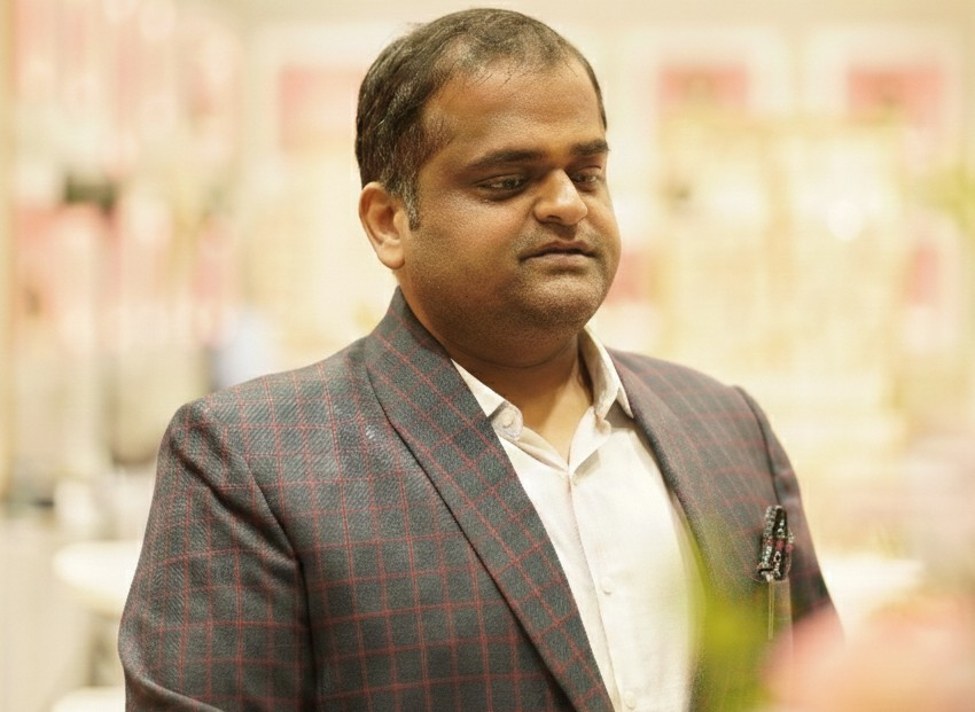
You were among the early jewellery brands to embrace organised retail and e-commerce in India. What prompted this move at a time when the industry was still largely traditional?
Yes, we were the first jewellery brand to be featured on India’s first TV shopping channel and e-commerce platform, Homeshop18 from the Network18 Group. The decision was driven by a combination of adapting to supply chain shifts, building consumer trust, and expanding our market reach.
Historically, Hyderabad’s reputation was tied to the refinement of Persian Gulf Basra pearls, but as the supply dwindled, we recognised the potential of high-quality imported cultured pearls, which required structured supply chains and transparent consumer education.
Traditional jewellery in India was hyper-local, with buyers visiting specific family jewellers. By launching an e-commerce website (Jpearls.com) in 1999, long before digital retail became mainstream, we bypassed geographical limits, allowing customers from across India to purchase authentic Hyderabadi pearls from home.
A major barrier in the early jewellery industry was consumer scepticism regarding quality. To counteract this, we introduced transparent pricing breakdowns and certification of authenticity for every piece, elevating a traditionally unorganised trade into a modern, standardised retail format.
Tell us about the craftsmanship involved in preparing Hyderabadi pearls, and how long the process typically takes from sourcing to the finished jewel?
The preparation of Hyderabadi pearls is an exhaustive journey that typically takes 1 to 3 weeks from raw sourcing to a finished jewel. First, pearls are carefully sorted by size, shape, and lustre, and passed through varying sizes of brass sieves (takkals) to ensure uniformity.
Using traditional silk threads (often treated with turmeric for colour and strength), pearls are knotted individually to prevent friction. For elaborate traditional jewellery such as Satlada (seven-row necklace) or Chand balis (crescent-shaped earrings), these threads are integrated with gold/silver wire and gemstone settings.
To cater to today’s generation, we pair classic, perfectly round, or baroque pearls with diamonds in geometric shapes set in platinum.
Authenticity and trust are central to the pearl business. How do you ensure quality assurance and consumer confidence in an increasingly crowded marketplace?
Jagdamba Pearls establishes trust by combining a century-old heritage with a physical Certificate of Authenticity detailing the pearl type, shape, colour, and grading. This is backed by a lifetime guarantee, protecting buyers against imitation products.
Our pearls are sourced directly from traditional farms across six to seven regions globally such as Japan, Australia, and Tahiti, and hand-threaded by artisans in Hyderabad, preserving royal-era craftsmanship.
We also prioritise consumer education—teaching buyers how to judge lustre, nacre thickness, and surface smoothness—to empower them in making informed decisions.
Which types of pearls resonate most strongly with your clientele today?
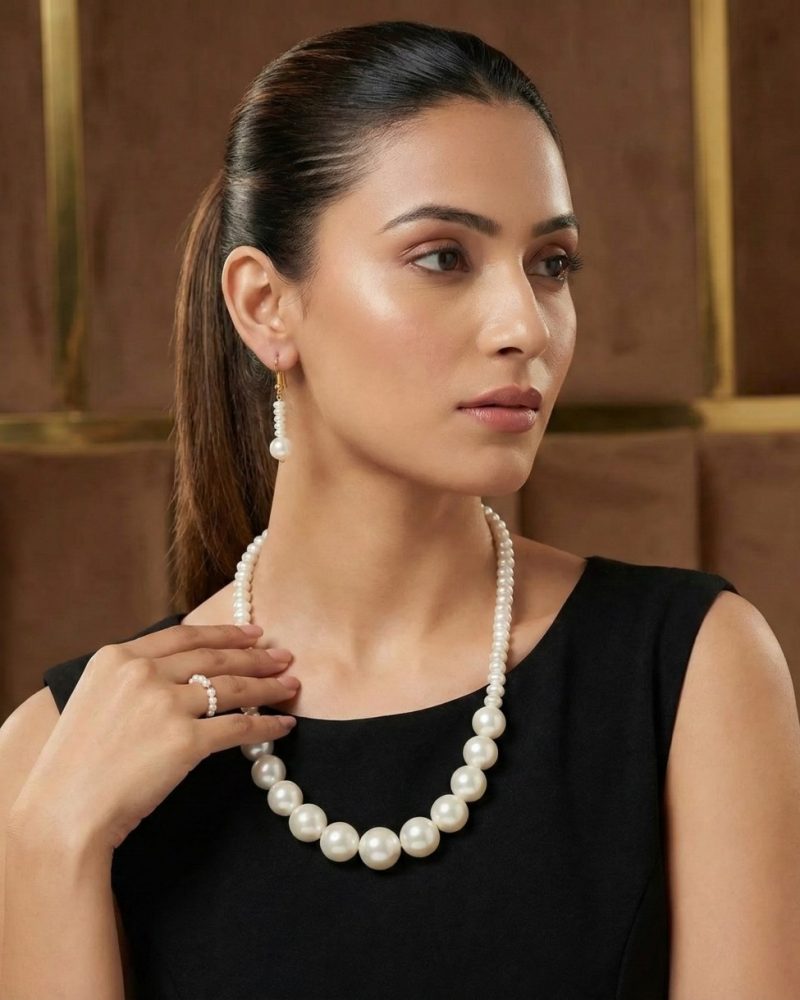
The most sought-after categories driving our modern clientele’s demand include Freshwater pearls, which are liked for their affordability and various pastel shades and organic, non-round shapes. Akoya pearls, cultivated in Japan and China, are prized for their perfectly spherical shapes, mirror-like gloss, and classic bridal appeal. Next come Tahitian pearls, a favourite inclusion in statement pieces and men’s jewellery, and South Sea pearls from Australia and the Philippines are the epitome of luxury. Their large sizes and silky white or deep golden hues are top choices for fine jewellery.
Tell us more about the immersive experience at your retail spaces.
Our showrooms are cultural landmarks as they transform jewellery shopping into an educational and nostalgic journey. At our flagship store, visitors can explore the history of Hyderabad’s pearl trade and grading at The Pearl Museum & Information Center.
One of our most distinctive features is the Live Processing Counter, where customers can observe artisans polishing raw pearls and transforming them into finished jewels.
Then there are dedicated zones, including a South Sea Pearl Experience zone, a VIP lounge for bespoke consultations, and specialised sections for kundan and diamond jewellery.
To preserve family heritage, the stores offer India’s first dedicated pearl exchange program, allowing customers to upgrade heirloom jewellery while maintaining authenticity.
How do you see the demand for pearls evolving in the next five to ten years, especially within the luxury and occasion-wear segments?
Over the next five to ten years, the global pearl jewellery market is poised for explosive growth, with valuations projected to nearly double from roughly $15 billion to over $30 billion. This “pearl renaissance” will be defined by a shift towards everyday luxury, gender-fluid styling, and bespoke pieces.
We are observing that men’s pearl necklaces are gaining traction. Young consumers are mixing pearls with chunky silver chains, beads, and leather cords. There is also growing demand for asymmetrical baroque and Keshi pearls.
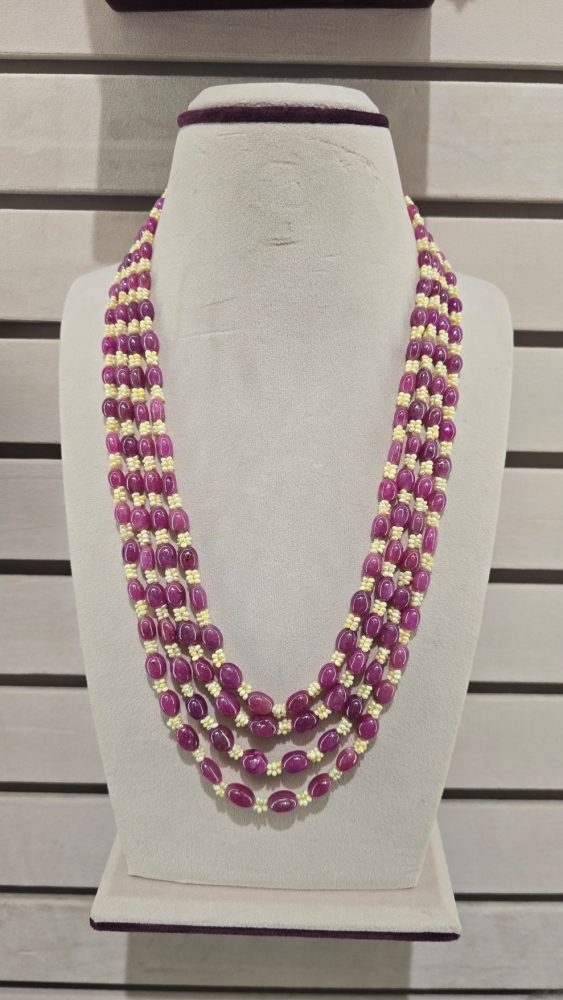
How does one identify real pearls vs imitations?
Always look for grading certificates from a certified gemologist or a renowned gemmological institute like the GIA or the Gemmological Association of Australia (GAA). These documents detail the pearl’s type and origin, size and shape; and lustre and surface quality.