
Contemporary jewellery designers in India are reimagining fine, every day, and high jewellery through unpredicted materials such as titanium, recycled aluminium, brass, and perishable Vaijanti seeds. Shilpa Dhamija explores the inspiration and commerce logic that defines this modern design renaissance of conceptual originality and artistic narratives.
Manifest Design – Manreet Deol
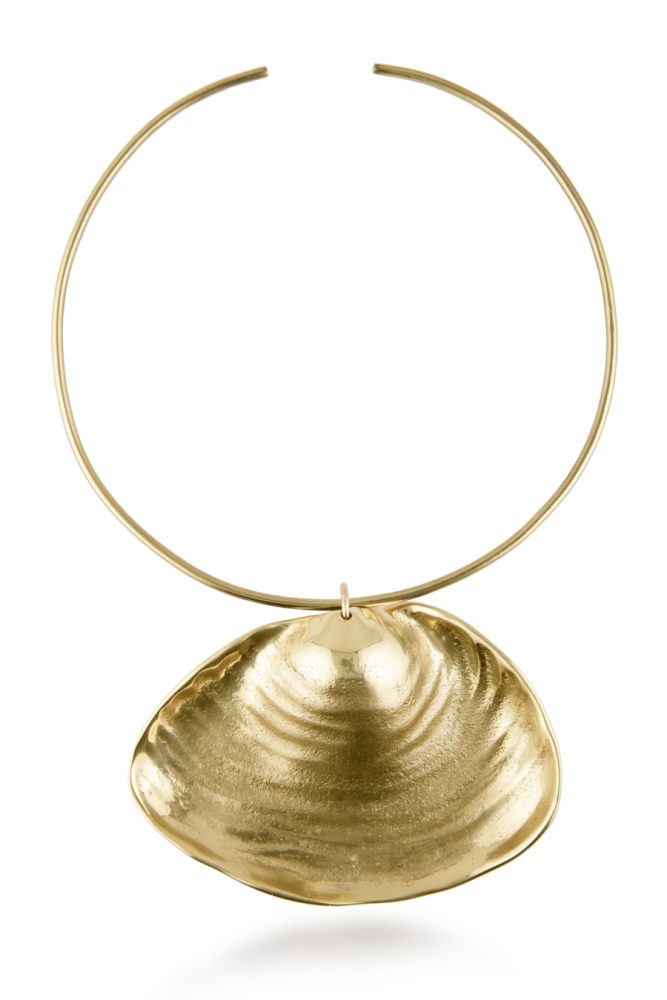
Founded in 2013 in Goa by siblings Samraat Deol and Manreet Deol, Manifest Design was born from a desire to speak a non-conformist language in Indian contemporary jewellery. The duo chose to build with silver, brass and aluminium and placed greater emphasis on concept, form, and craftsmanship, over the intrinsic value of the base metal.
Manifest Design follows a fine-art methodology to build, where pieces are firsthand-sculpted and then cast. The brand works with traditional metalsmiths and takes design inspirations from nature, mythology, and memory.
Manreet’s experience as a design professional, spanning NIFT Delhi, Parsons School of Design, and 15 years of designing luxury tableware in New York, equipped her to break into this niche segment.
Deol was aware that navigating the traditional Indian consumer market, which favours price-per-gram metrics, would require a visionary brand narrative. “Here in India, there is appreciation for good contemporary design but the average customer is not clearly conveyed what it takes to achieve it,” Manreet observes. To make her brand more accessible, she chose to target a “sweet spot, where the purchase decision is driven by emotion rather than cost.” Manifest Design’s jewellery is priced between ₹1000 – ₹17000+.
Manifest Design uses unexpected materials, beyond metals, too. The brand’s recent collection is made with sacred Vaijanti seeds from Hampi. Transforming these culturally rich, grey-and-brown seeds into embroidered medallions, Manreet has created bold talisman necklaces representing the “garland of victory” as an ode to the women artisan group she works with.
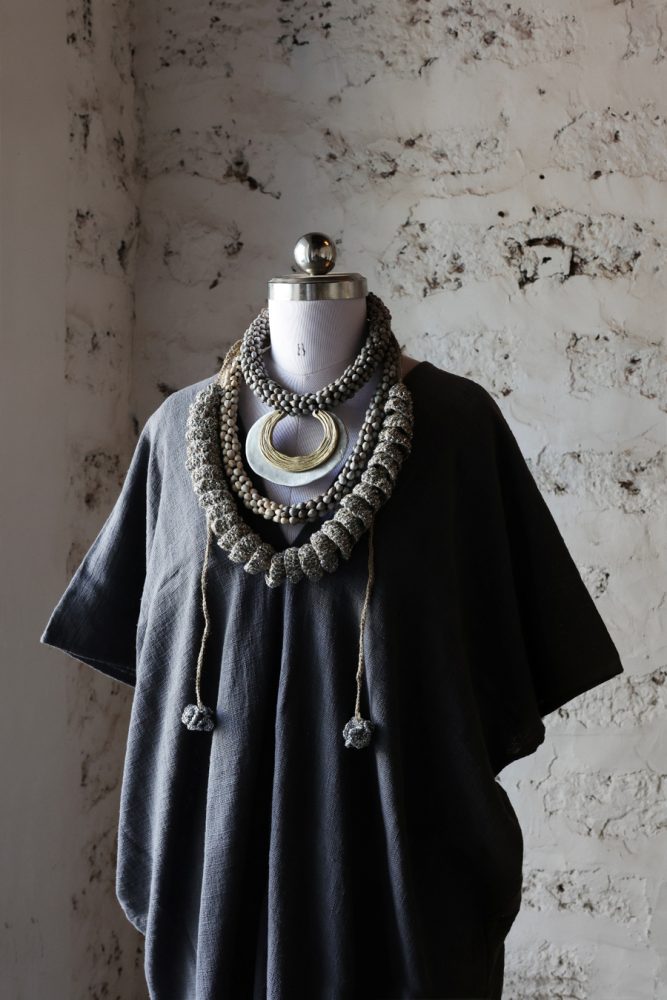
How does one preserve jewellery made with perishable materials? Manreet says their beauty is also in their impermanence although they can last for decades if stored in airtight containers, “There is something cathartic about creating pieces that are viewed as earth talismans and have a limited life span before returning to the earth,” she says, recommending collectors to wear them often and simply compost them once they disintegrate.
Manifest Design’s work has been sold at global museum gift shops, including the Metropolitan Museum of Art and the Royal Ontario Museum. “At a time when India is mostly seen as a nameless sourcing hub, it was gratifying that our brand was acknowledged and celebrated,” she says.
Estaa – Pratik Shah
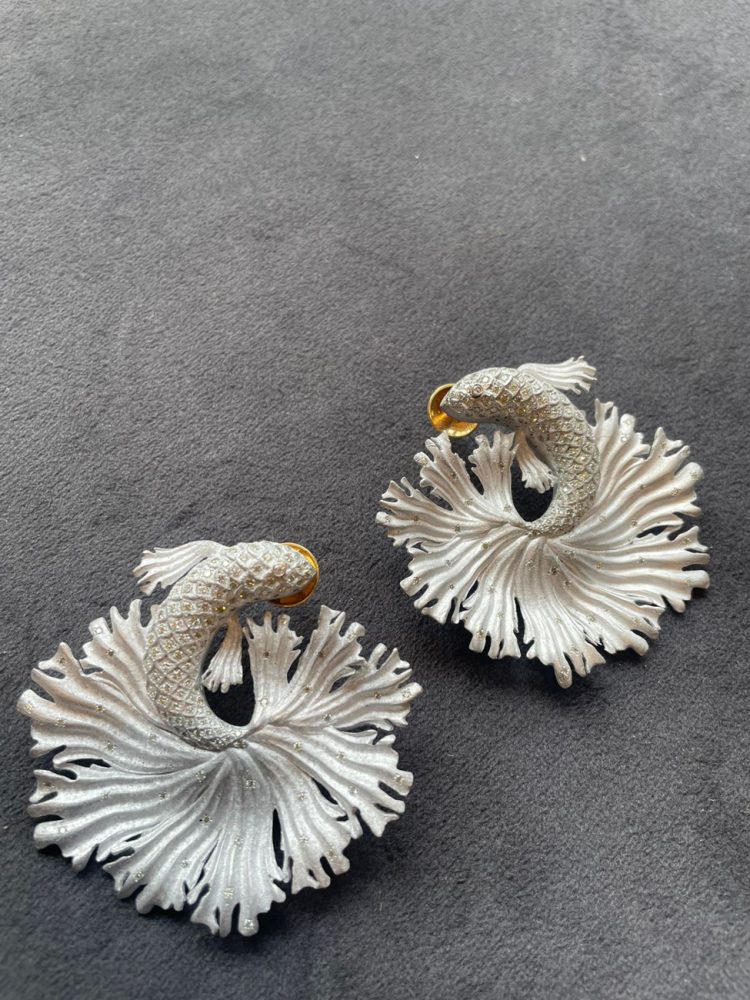
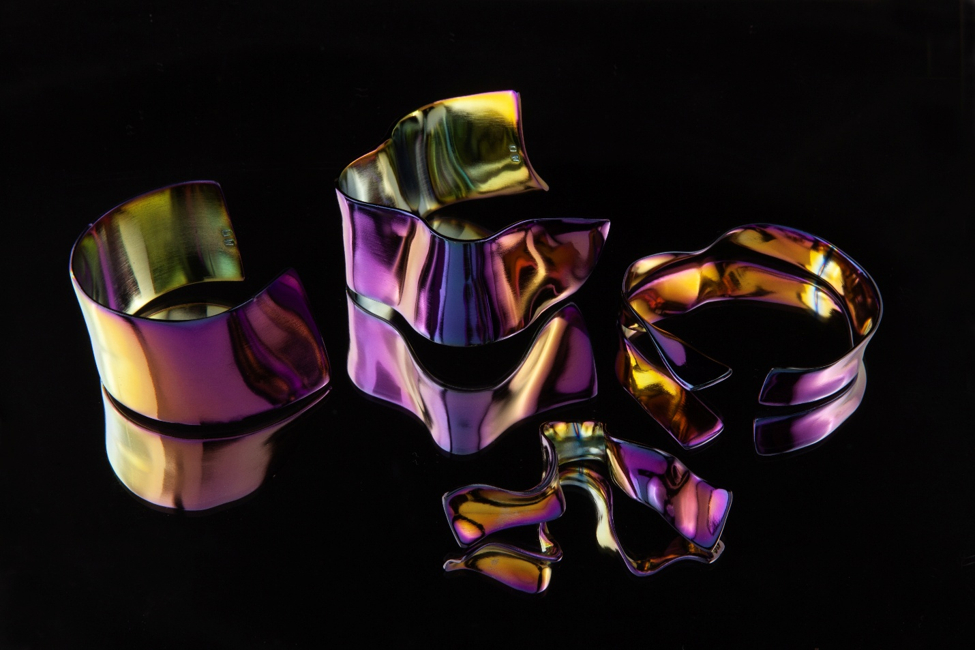
At Mumbai-based jewellery brand Estaa, the choice of material is governed by the demands of the design. Estaa celebrates titanium and recycled aluminium with the same enthusiasm as gold and silver, proudly pairing non-precious metals with precious and semi-precious stones, including natural diamonds.
Pratik Shah, co-founder of Estaa has gained the confidence to employ non-precious metals in fine and high jewellery through years of research and experimentation. “We introduced titanium jewellery in 2018 and recycled aluminium jewellery in 2021,” Shah informs.
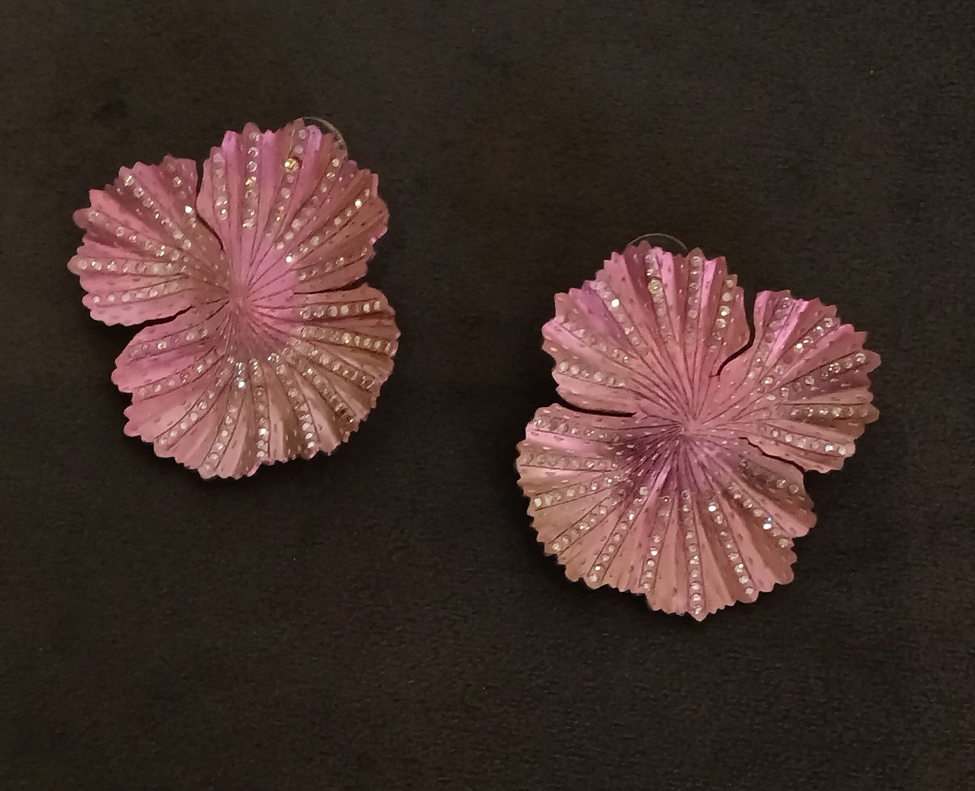
He developed the machinery to mould titanium and created manufacturing processes from scratch for aluminium, “because existing technologies were designed for large-scale industrial applications, not fine jewellery.” Shah reasons adding that working with these materials has been more expensive and technically demanding than working with gold.
Beyond the material itself, every piece is still hand-set and hand-finished, using specialised techniques to bring colour and character to these metals. “To me, that is the real investment: not just the metal content, but the originality of the idea behind it,” he says.
But how does one justify the price of such a complex creation to consumers accustomed to valuing jewellery for its metals and gems?
Estaa prices its creations based on the strength of the concept, the quality of the stones, and the craftsmanship required to bring the piece to life. A recycled aluminium jewel can take just as many hours to make as one in gold, sometimes even more.
It is also a matter of context, Shah points out. “Aluminium was once considered more valuable than gold. Napoleon famously reserved aluminium cutlery for his most honoured guests. Meanwhile, brass has been part of Indian craft traditions for centuries.”
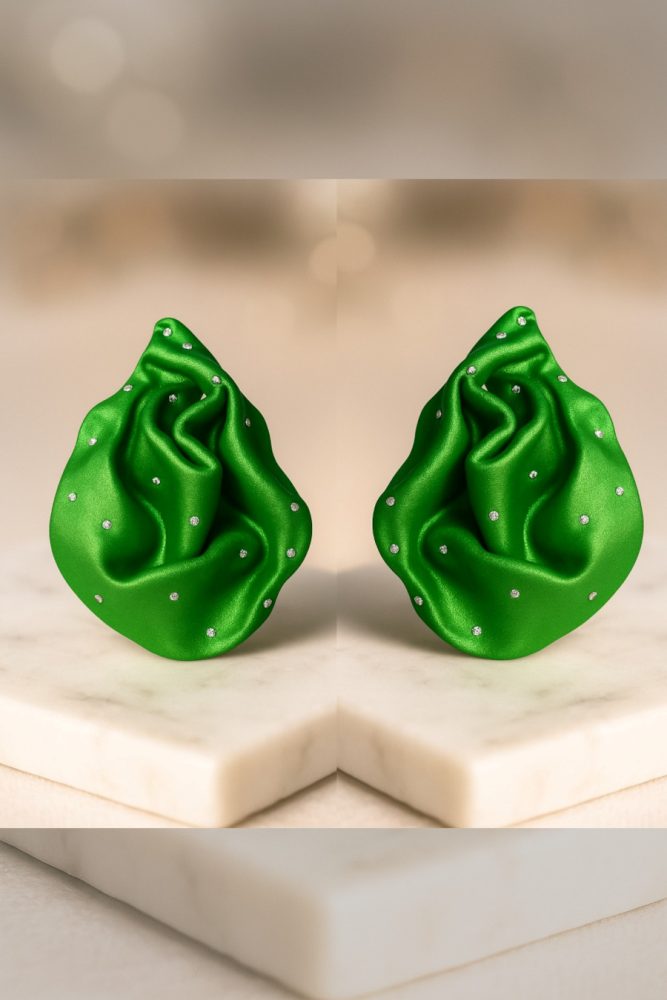
Context can be made more relatable with the right narrative.
Estaa’s upcoming collection draws inspiration from ‘The Half Story’, a book detailing the life of Banarasidas, a 17th-century Jain merchant and poet who lived through the reigns of Akbar, Jahangir, and Shah Jahan. Known for questioning everything, Banarasidas’s inquisitive mindset forms the core attitude that this new collection aims to capture.
Shah is reimagining Mughal jewellery through the eyes of Banarsidas. Mughal jewellery is probably one of the most extensively used visual languages in Indian jewellery today according to Shah. “We are approaching it from a completely different angle not through emperors or palaces, but through the life of one thoughtful, questioning individual who happened to live during that extraordinary period in history.”
The result will be Estaa’s own interpretation of Mughal-inspired jewellery, told through an unusual combination of materials and a very personal story.
Era Stories – Sayani Sinha
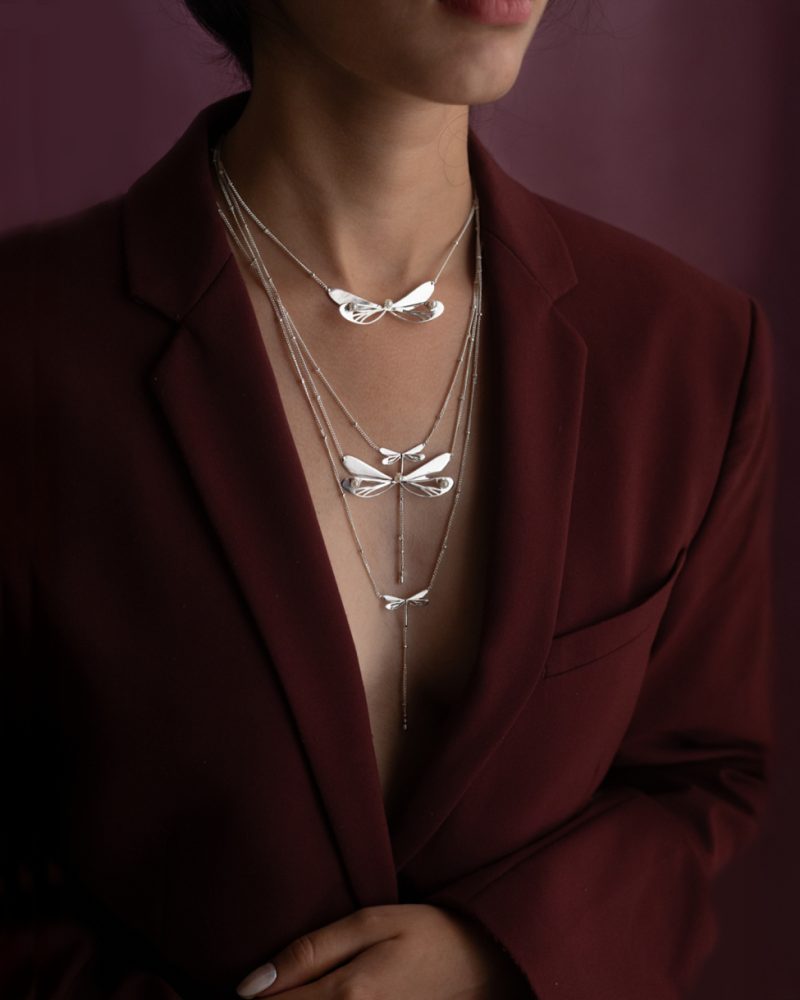
For Sayani Sinha, choosing non-precious metals for her ‘everyday statement jewellery’ was a deliberate, strategic decision from day one, as high-quality brass gave her the creative freedom to experiment with fluid movements. Choosing a base metal like brass ensures the art always comes first, as Sinha notes, “If we had started with precious metals, a large part of the design process would have been dictated by the cost of the material rather than the creative vision.”
Besides, brass has been part of India’s culture for centuries. “From temple artefacts and tribal adornments to everyday objects crafted by local artisans. They were never absent from our history.”
Sinha says that she does not begin her jewellery making journey with the metal first but instead, “We ask if our design is worth bringing into the world?” Getting a piece right can take months with sketch revisions, and intense artisan collaborations. She pays attention to the tiny refinements, too, “the most valuable part of a design is often what you can’t weigh on a scale.”
The digital boom has exposed India to global aesthetics, independent brands, and new ways of defining personal style.
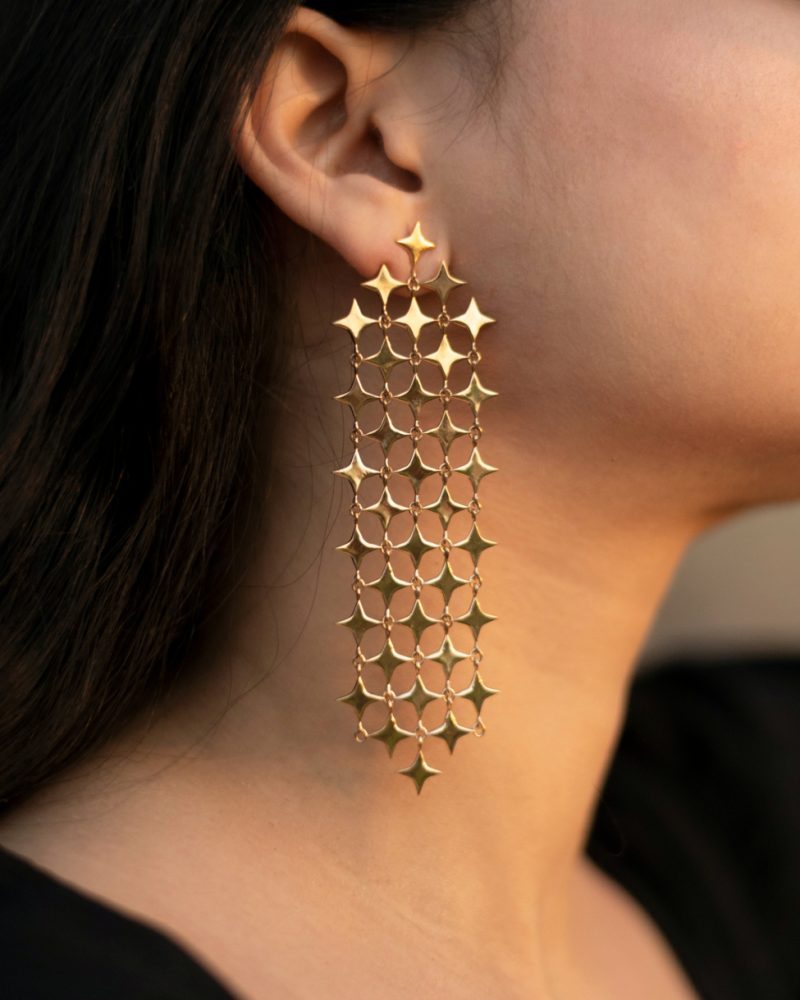
As economic prosperity fosters greater cultural confidence, Indian consumers are increasingly valuing jewellery for its design, craftsmanship, and individuality over mere commodity weight. While this transition matured earlier in overseas markets, India is now undergoing its own design renaissance. “This evolution marks one of the most critical structural shifts defining the contemporary jewellery industry,” Sinha concludes.