

India has overtaken China and Japan to become the world’s second-largest diamond jewellery market, capturing 12% of global demand, according to the 2025 Diamond Acquisition Study by De Beers Group.
The domestic natural diamond jewellery market is valued at ₹49,700 crore and is projected to reach ₹150,000 crore by 2030, signalling a sharp expansion driven by changing consumer behaviour rather than traditional investment buying. Growth is being driven less by traditional investment buying and more by changing consumption patterns, particularly among younger consumers.
Generation Z has emerged as the dominant force. Consumers aged 18-28 now account for 51% of market value, up 19% since 2022. This cohort also records the highest average ticket size at ₹198,000, reflecting a shift towards premiumisation and frequent acquisition. Combined with Millennials, these segments contribute 86% of total market value, signalling sustained, youth-led demand.
The study highlights a clear break from past consumption habits. Diamonds are no longer being held as occasional assets. Daily wear now accounts for 52% of purchases, compared with 27% in 2014, indicating a structural shift towards lifestyle-driven buying.
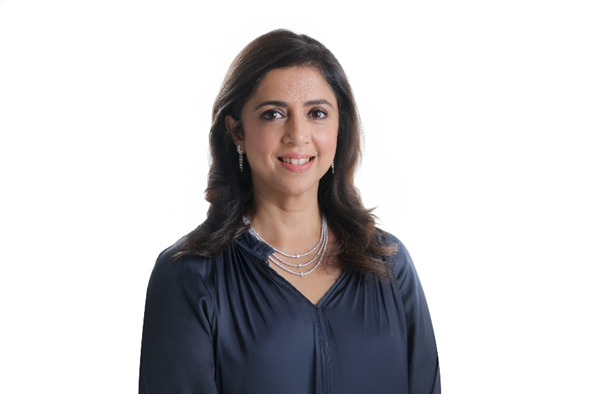
Shweta Harit, Global SVP, De Beers Group, said: “India’s ascent to the position of the world’s second-largest diamond market is a testament to the deep-rooted emotional and cultural connection Indian consumers have with natural diamonds. As global markets evolve, India stands out as a beacon of growth, driven by a generation that values authenticity and rarity. At De Beers, we see this as a journey where the timeless artistry of a natural diamond meets the modern, fast-paced aspirations of the Indian Gen Z and Millennial consumer. India is now a primary driver of global demand, shaped by a consumer base that is younger, more independent, and more style-conscious than ever before.”
Women purchasing for themselves are central to this change. Outside bridal, 64% of natural diamond jewellery is self-purchased, driven by milestone spending and discretionary buying. Even within weddings, which contribute 29% of market value, 79% is attributed to brides buying their own jewellery.
Natural diamonds continue to rank as the most desired category across gifting and self-purchase, outperforming gold jewellery, smartphones and luxury watches. The addressable market is estimated at 67 million women across Tier 1-5 cities.
With high-income households expected to grow 16% by 2030, demand is likely to remain structurally strong. The shift from occasion-led purchases to everyday wear signals a deeper repositioning of diamonds in India’s consumption landscape, moving from stored value to visible lifestyle expression.