
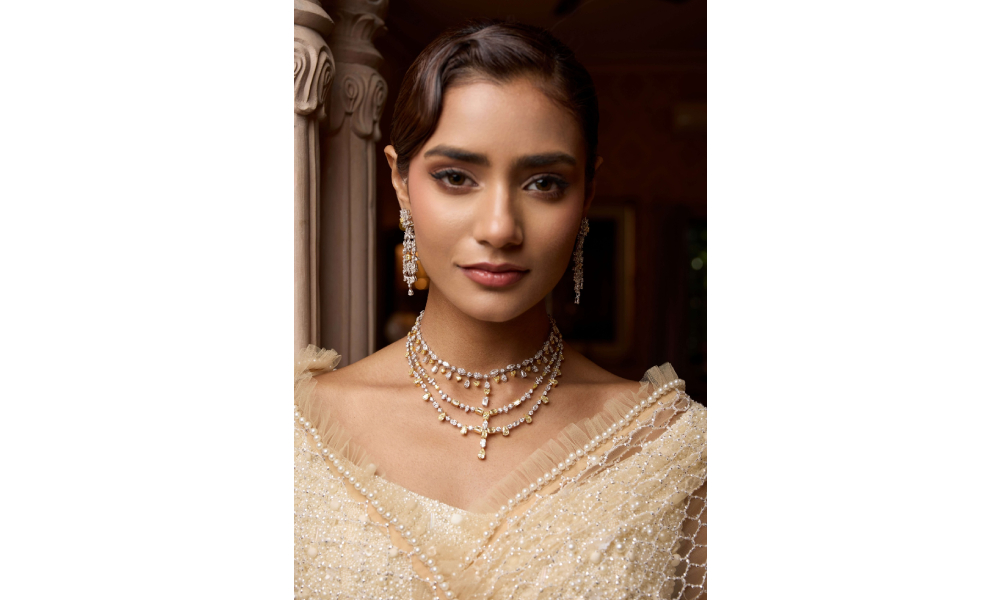
At Nanagram Fine Jewels, Jaipur, heritage is recalibrated for modern life, where jewellery moves as effortlessly through the everyday as it does through legacy.
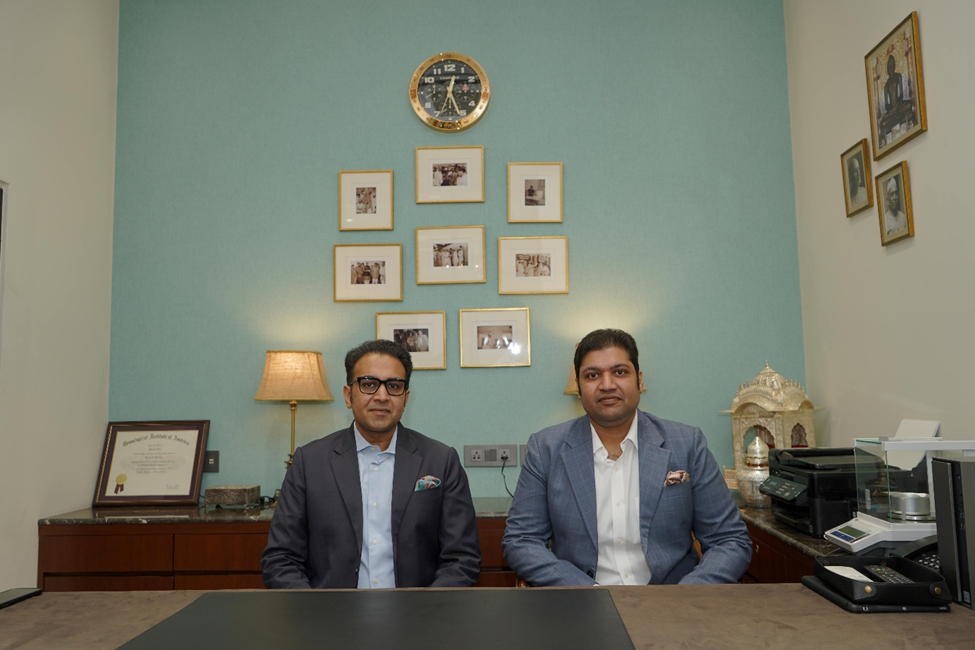
The shift from gemstone trading to a design-led retail identity is not a pivot, but a progression. Under the direction of Bharat Jain and Dhawal Jain, the Jaipur brand is rethinking how craft is worn, experienced, and sustained—stripping away excess while retaining depth. The result is a more deliberate expression of luxury, one that privileges wearability as much as it does provenance, the duo reveal in an interview with Solitaire International:
Nanagram positions itself at the intersection of craft and contemporary living. How do you define that balance today?
At Nanagram, this balance has evolved rather than been imposed. While our foundations lie in decades of gemstone expertise, our current focus is on jewellery that integrates seamlessly into modern life.
We see craft as a living discipline. Traditional techniques are distilled into pieces that are lighter, more versatile, and inherently personal—jewellery designed for daily wear rather than singular occasions. Our retail journey has only deepened this understanding, grounding design in how jewellery is actually lived with.
What was the founding idea behind Nanagram, and how has that vision evolved since inception?
Nanagram was founded by Nanagram Jain, whose instinct for rarity and deep knowledge of gemstones defined its early direction. The original vision was clear: to create pieces anchored in quality and longevity.
Today, that vision has expanded into a more design-led, approach. It is about shaping a distinct retail identity—one that honours its origins while responding to a more global, design-conscious customer.
In a market saturated with ‘handcrafted’ narratives, how do you ensure authenticity isn’t reduced to a marketing trope?
We don’t position authenticity as a narrative layer—it is embedded in the object itself. Each piece is grounded in craftsmanship, with techniques that have been carried forward and refined across generations.
Our workshop-led processes ensure rigour at every stage. The result is jewellery that speaks for itself, without the need for overt storytelling.
Tell us about your sourcing process? How do you identify and collaborate with artisan clusters across India?
Our sourcing is as much about relationships as it is about design. While we continue to work with long-standing gemstone networks, every process begins with the piece we want to create.
On the making side, we collaborate with established karigar communities—many of them long-term partners. Design, development, and execution are closely integrated, ensuring that what arrives in-store is not just a finished product, but a piece of design and craftsmanship.
The term sustainability is often overused. What does it tangibly mean within Nanagram’s supply chain and design philosophy?
For us, sustainability is less about vocabulary and more about longevity. It is defined by how jewellery is designed, acquired, and retained.
We focus on creating pieces that outlast trends, encouraging long-term ownership over impulse consumption. Small-batch production and responsible sourcing are integral, but ultimately, sustainability lies in whether a piece continues to be worn, valued, and passed on.
How do you translate traditional craft vocabularies into products that feel relevant to a global, design-conscious consumer?
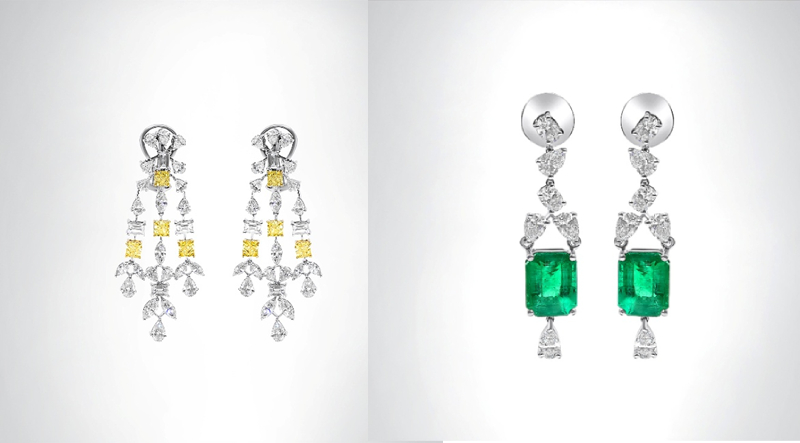
The translation lies in restraint. Traditional Indian jewellery is inherently ornate; our role is to edit without erasing.
We reduce scale to make pieces lighter and more wearable, refine form into cleaner silhouettes, and prioritise function—ensuring that jewellery transitions fluidly across contexts.
What are the biggest challenges artisans you work with currently face, and how are you addressing them?
Artisans today face a narrowing pipeline—declining interest among younger generations, inconsistent demand, and limited exposure to changing consumer expectations.
Our response is continuity. Through a retail-led model, we ensure sustained engagement, fair value, and active collaboration. By bringing artisans closer to the end consumer, we aim to create a system that is both viable and enduring.
How do you approach storytelling—do you lead with the product, the material, or the maker?
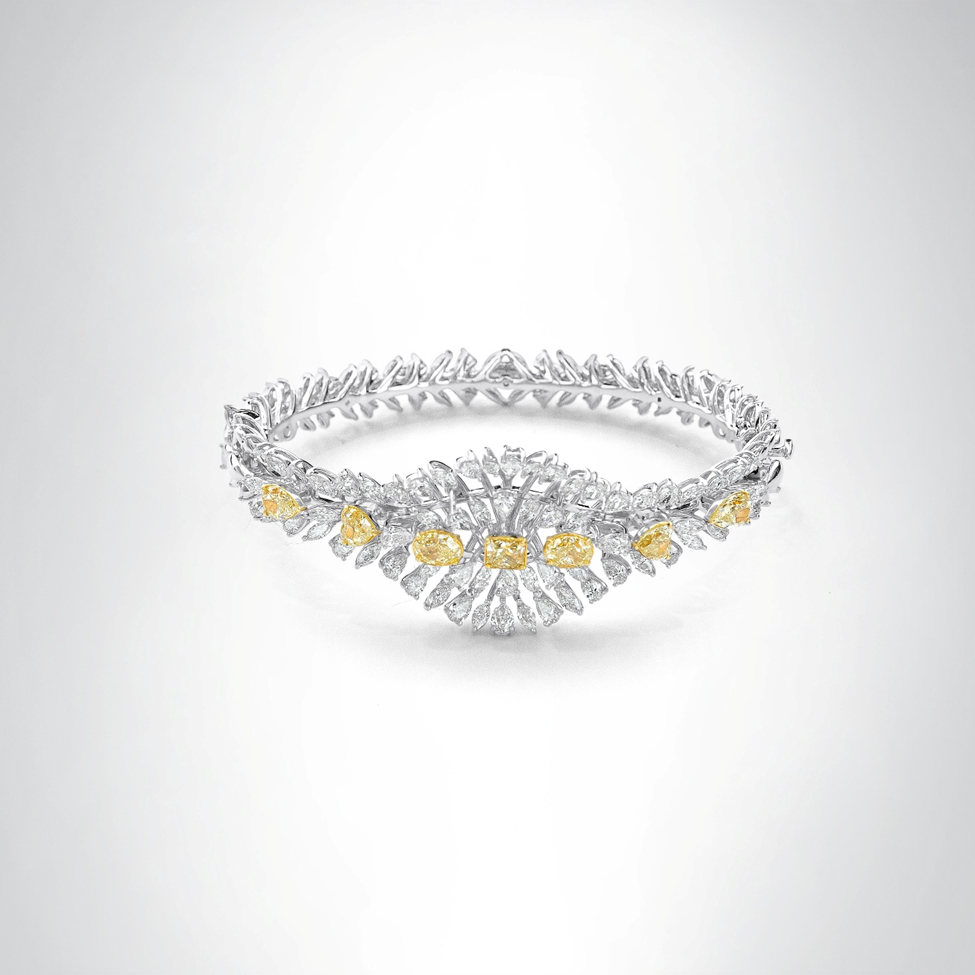
We begin with the object. The jewellery—how it looks, feels, and sits within the wearer’s life—is the primary narrative.
Material and craftsmanship deepen that story, but they remain secondary to the emotional connection between the piece and the person who wears it.
In terms of growth, are you prioritising scale, exclusivity, or cultural preservation—or is it a negotiation between all three?
It is a calibrated balance. Scale strengthens our engagement with customers, exclusivity sustains desirability, and cultural preservation remains non-negotiable. Growth, for us, is about expanding with intent—without diluting either design integrity or craftsmanship.
What does the next chapter of Nanagram look like?
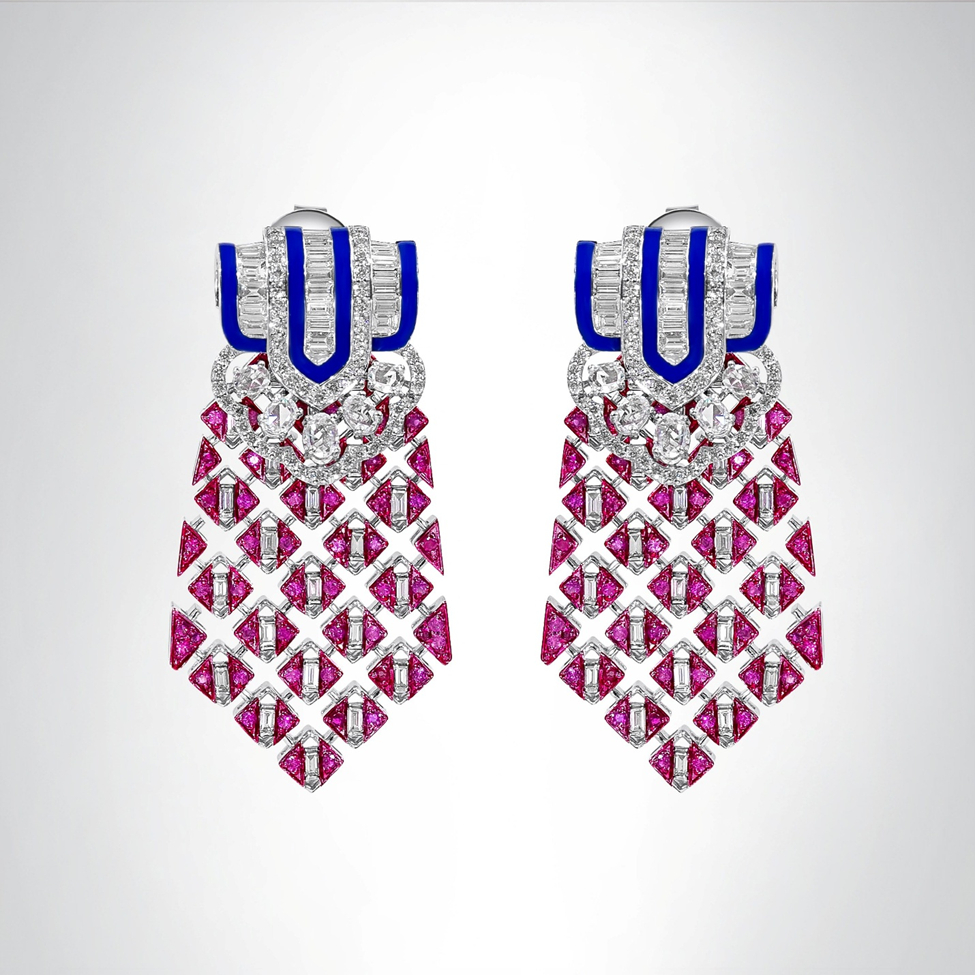
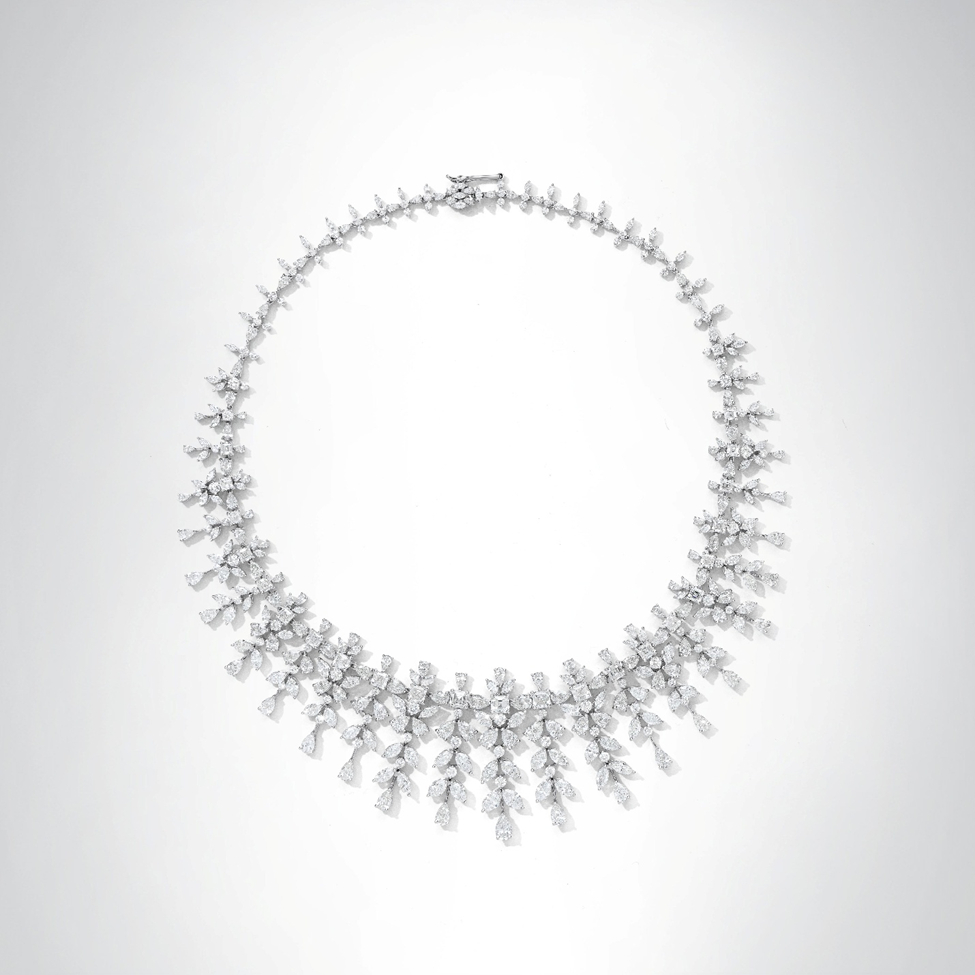
The next phase is centred on sharpening our identity as a design-led jewellery house. This includes expanding our retail footprint, refining in-store experiences—particularly at our Jaipur flagship—and developing collections aligned with evolving lifestyles.
At the same time, we are focused on building a more meaningful dialogue with a global audience. The ambition is to define Nanagram as a modern luxury voice—where craft, design, and retail converge with clarity and purpose.