
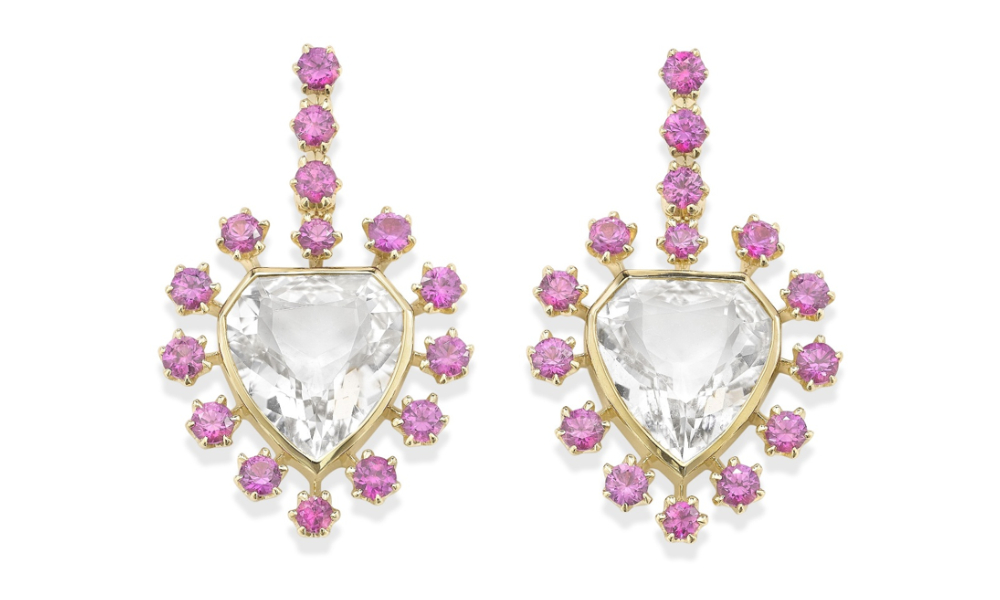
The second instalment of Demand Mapping series by Smitha Sadanandan explores the US diamond market, where evolving preferences are reshaping demand—from elongated and fancy cuts to warmer hues, pavé and vintage-inspired designs.
Diamond shape is in active evolution. Morgan Amelia Miller, Co-Founder of In Good Company in New York, identifies baguettes and marquise cuts as generating particular strength. “These shapes introduce movement and structure in a way that feels fresh while still grounded in a recognisable diamond language.”
Lauren Abend, Co-Founder and Sales Director of Mega Mega Projects in New York, echoes a similar sentiment. Pavé is resonating strongly when it becomes the focal point — executed in unique patterns or sculptural surfaces rather than simply framing a bezel. “It is really fun to see what is often treated as an accent take the main stage and define the piece,” reflects Morgan.
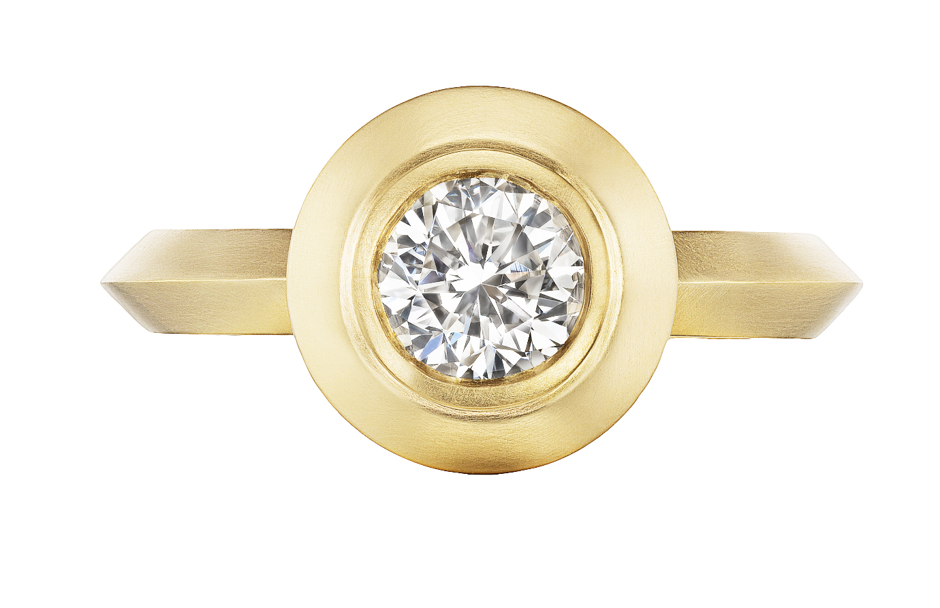
Elongated silhouettes, ovals and emerald cuts are gaining ground, and warmer toned diamonds — champagne and soft yellow hues — are being integrated into mainstream assortments rather than treated as niche. This direction, she observes, is already visible in campaigns like Desert Diamonds, spearheaded by De Beers, and supported by the Natural Diamond Council.
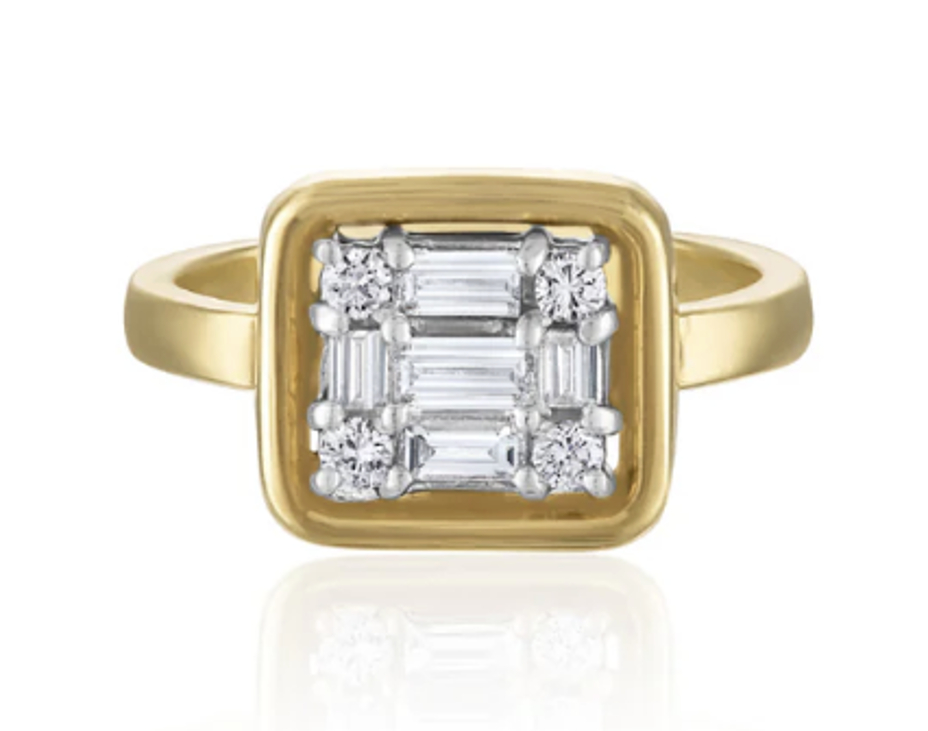
Vintage-leaning design cues emphasising geometry and strong line — emerald cuts, movals, cushions and old European cuts — are also drawing interest, bringing history into a more modern context and giving classic diamond formats relevance. In a bands have become top contenders for brides, especially after pop-star Taylor Swift’s engagement (and ring) blew up on social media.
Founder of boutique public relations and wholesale consultancy Francesca Simons Consulting in New York, Francesca Simons, confirms that pear, fancy and elongated shapes are moving beyond the traditional round cut, while engagement rings remain the highest-reorder category across her network. Beyond bridal, alternative diamond studs, hoop earrings, pinky rings and distinctive pendants are gaining meaningful traction — particularly designs that balance versatility with self-purchase relevance.
Maximising Brilliance
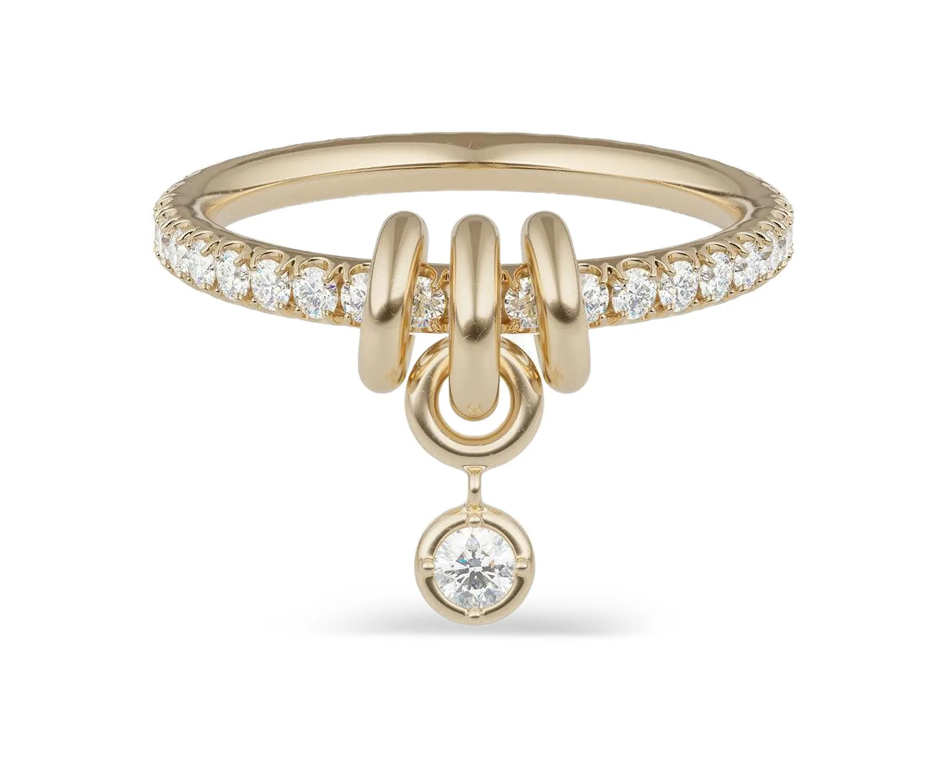
Elsewhere, Jackie LeBental-Jones, founder of Barri Luxury Consulting, sees consistent demand for pavé-set stones and fancy cuts that maximise brilliance. “Jewellery buyers are investing in buildable collections and brands that offer distinctive, wearable designs that enhance their personal style,” says the East Coast-based business agent for brands such as Aletto Brothers, M. Spalten, Imperfect Grace and Onirikka. “Our clients are investing in jewellery they live in.”
Lauren notes that designers these days are rarely committing to a single shape. “Our designers love to incorporate different stone cuts — baguettes and marquise are always popular — as well as more traditional cuts and pavé.”
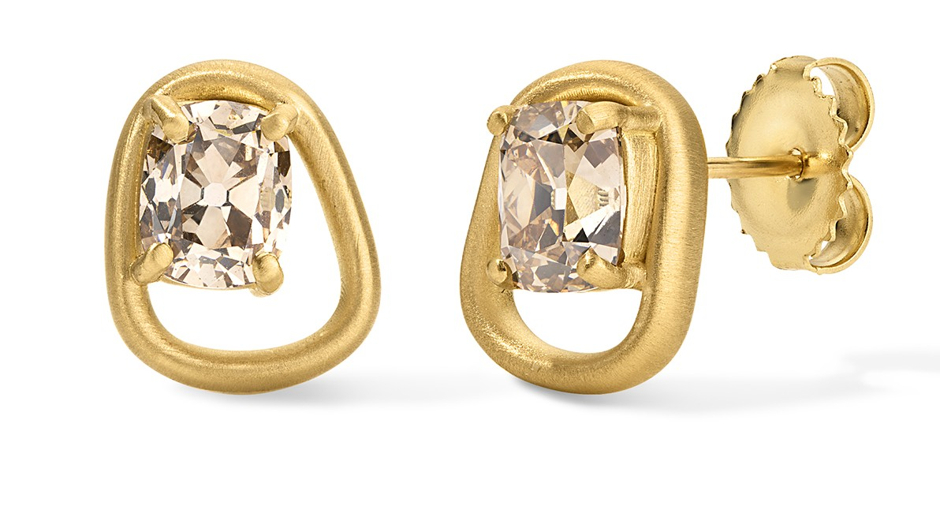
Mark Davidovich of For Future Reference (FFR), overseeing the agency’s sales, is seeing rising requests for fancy shapes, warmer hues and antique cuts — with one-of-a-kind pieces often selling as soon as they reach the market. “In uncertain times, go with timeless fashion,” he says. “Consumers view diamonds’ eternal qualities as a key part of return on investment (ROI).” Statement earrings, necklaces, pendants and bracelets are selling through with particular speed, driven by global uncertainty and a market that is turning to jewellery as both emotional anchor and investment.
Warmer Hues
Warmer-toned diamonds are moving from niche to mainstream. David Hakimian, Founder of DEH Jewelry Solutions and Co-Founder of In Good Company, who works with more than 25 independent designer brands across the US, confirms the commercial traction. “What began as a marketing-driven push from major industry players is translating into tangible sales performance,” he says, a signal of genuine consumer resonance and an evolving appreciation for nuance within the diamond category.
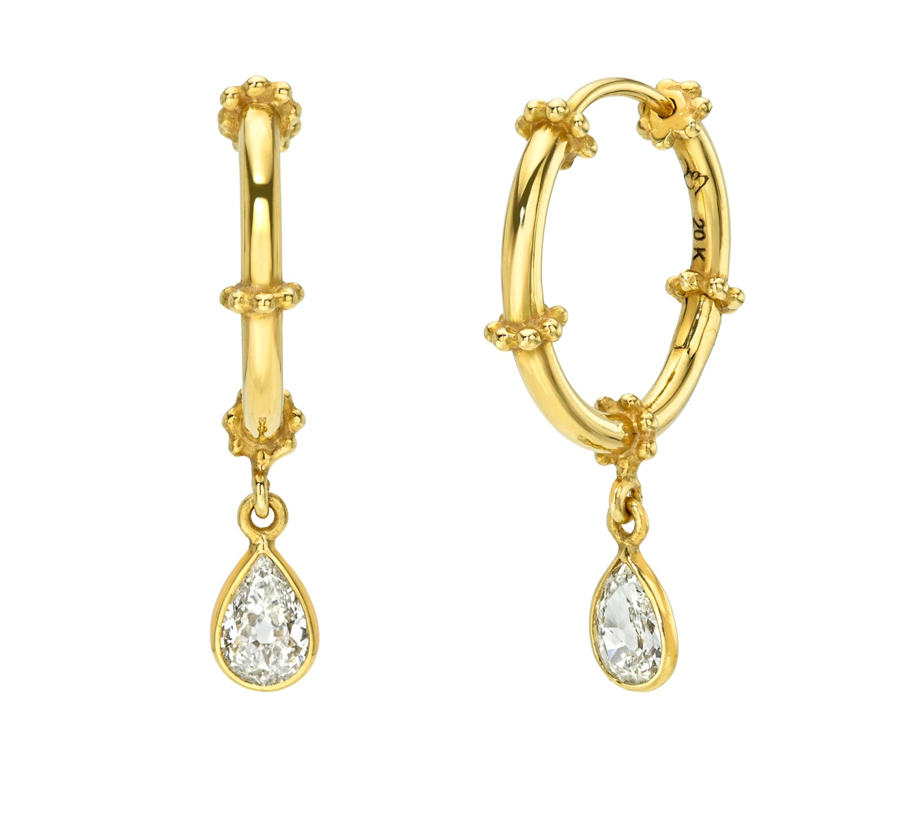
Designer Camille Beinhorn’s one-of-a-kind grey spinel fringe necklace embraces the direction well with a 5.89-carat grey spinel centre stone and 1.6 carats of grey diamonds set in 22-karat gold, where diamonds serve as a substantial feature rather than a supporting accent. “The grey tones of the spinel and diamonds against the warmth of the gold give the piece a quiet drama that feels incredibly chic,” says Morgan.
Mixed materials are playing a meaningful role in how colour enters the market at accessible price points. Lauren identifies carved stones, leather, silk and wood as materials to incorporate visual interest while using less gold.
(To be continued)