
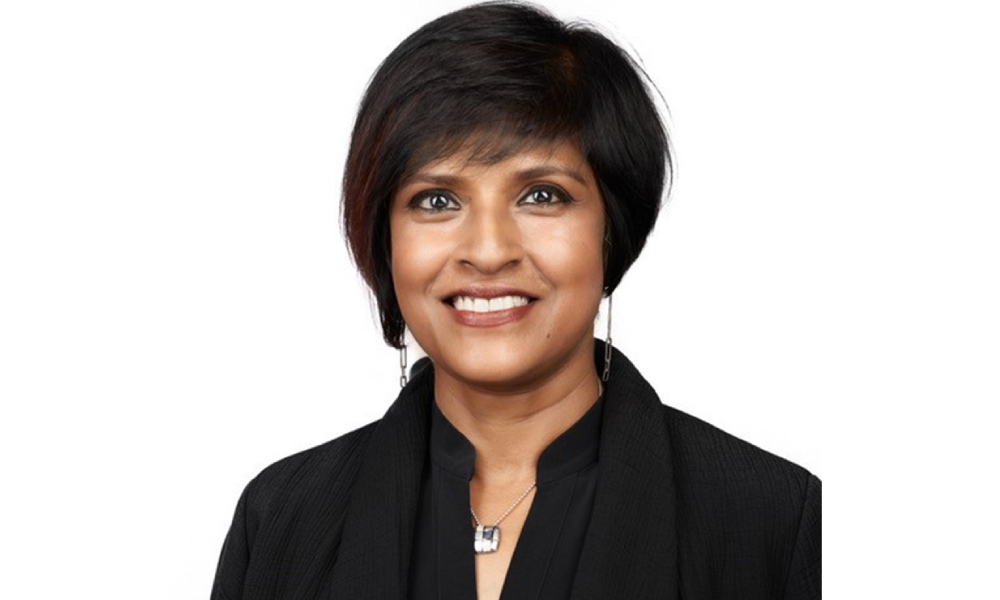
Platinum’s journey in India has moved well beyond being an alternative to gold. Today, it is a category driven by purpose, design and evolving consumer aspirations, with demand extending from metros into emerging markets. As India cements its position as the world’s fastest-growing platinum jewellery market, Vaishali Banerjee, Head of Global Market Development and Managing Director – India & Middle East, Platinum Guild International (PGI), shares how strategic brand building, retail partnerships and changing buying behaviour are shaping the metal’s next chapter.
Platinum jewellery demand in India has remained resilient despite economic uncertainties. What factors do you believe have enabled platinum to outperform the broader jewellery market?
Platinum’s resilience comes from the fact that it has built its own place in the Indian jewellery repertoire. It is positioned as a distinct precious choice rooted in rarity, 95% purity in jewellery, and emotional meaning.
In the current environment, consumers are thinking more carefully about value. With volatile precious metal prices, platinum’s purity and price-value equation have become more relevant. It gives the consumer a high-purity precious metal with strong intrinsic qualities, while also offering a modern design language that feels very different from traditional jewellery.
The second factor is the consumer. Our core audience is younger, digitally fluent and increasingly present across metros as well as Tier 2 and Tier 3 markets. This consumer buys jewellery not only as an asset, but as a reflection of identity, relationships, personal milestones and self-expression. Platinum fits that shift naturally.
The third driver is the strength of our brand architecture and trade partnerships. Platinum Love Bands, Platinum Evara and Men of Platinum each address a distinct consumer need. At the same time, our retail and manufacturing partners have helped build visibility, product readiness, point-of-sale confidence and conversion at the counter. That combination of consumer pull and trade execution has helped platinum sustain momentum even in a challenging jewellery market.
How do you see the Platinum Buyer-Seller Meet platform helping manufacturers, retailers and trade partners unlock new opportunities for platinum jewellery?
The Platinum Buyer-Seller Meet is an important platform because it brings the entire platinum ecosystem together with a clear business agenda. For a category like platinum, growth does not come only from consumer communication. It depends on a complete strategic loop, including product availability, design relevance, replenishment, retail confidence and the ability to create the right assortment for the right market.
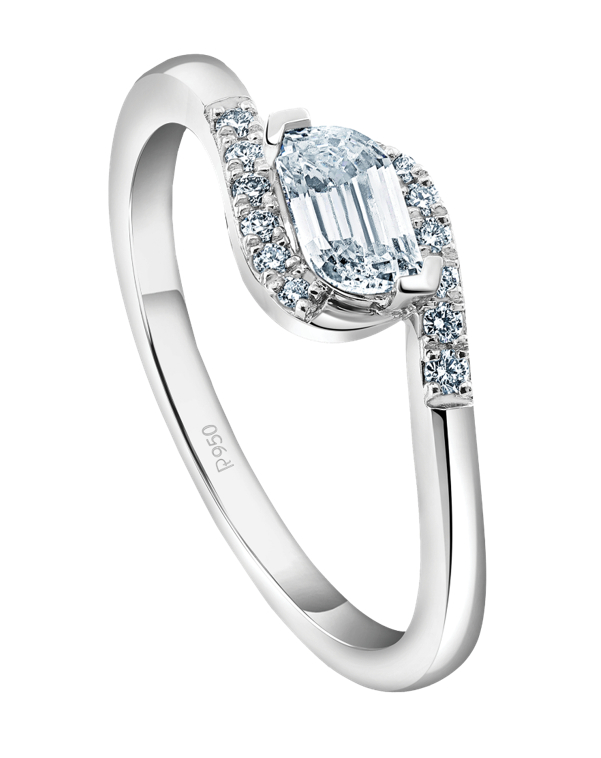
Our expectation is that the meet will help manufacturers and retailers align more closely on what the consumer is looking for today. There is strong interest in men’s jewellery, love bands, daily-wear pieces, bi-metal designs and collections that work across milestone as well as self-purchase occasions. The platform allows manufacturers to showcase innovation and gives retailers a sharper view of what can perform across metros, Tier 1 cities and emerging markets.
It also helps build confidence. Retailers get access to product, pricing architecture, design thinking and category support. Manufacturers get clearer visibility on demand patterns and retailer expectations. For PGI, the larger objective is to make the platform a catalyst for category expansion, not just an order-writing opportunity.
How have PGI’s strategic consumer programmes such as Platinum Season of Love and Men of Platinum, influenced consumer behaviour and demand generation in India?
Our consumer programmes have helped make platinum more understandable, desirable and emotionally relevant. Platinum is a powerful metal story, but it needs to be translated into consumer meaning. That is what our branded programmes have done.
With Platinum Season of Love, we are translating a calendar moment and insights that it offers into purchase behaviour, into a focused retail programme. It drives both consumer value and category growth, in close collaboration with our retail partners. We deeply value their continued trust and support, which play a critical role in bringing the platinum story to life across markets.
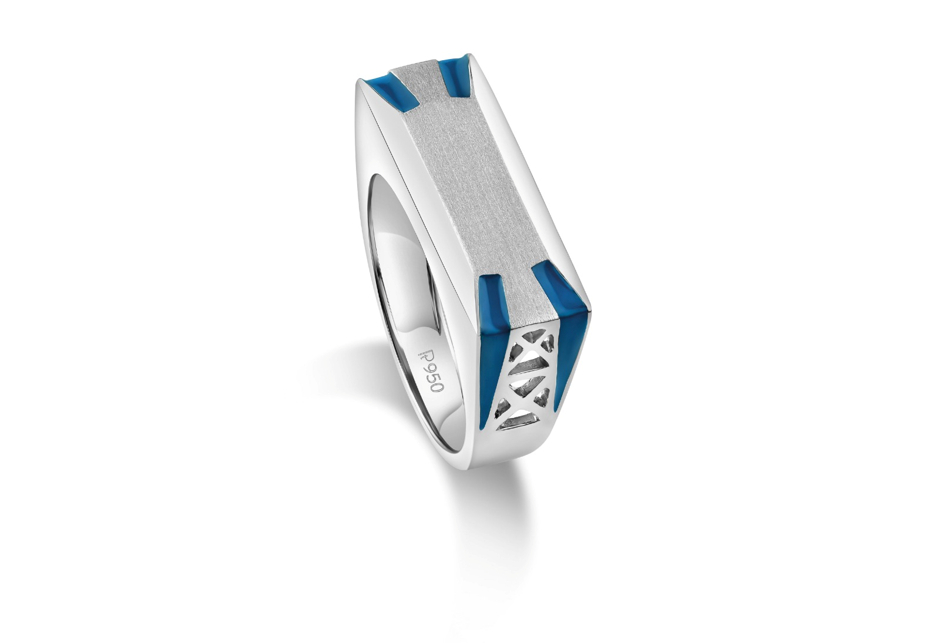
Men of Platinum has been especially important in opening up a new growth space. Men’s jewellery in India has always had cultural roots, but the modern male consumer is engaging with jewellery in a very different way. He is looking for something that reflects character, confidence and distinction without being loud. Platinum’s understated strength and rarity sit very well with that mindset.
These platforms have also helped retailers. Brand campaigns create awareness and aspiration outside the store, while retail activations, engaging point-of-sale and focused assortments help convert that interest at the counter. Over time, this has shifted platinum from being a niche occasion-led purchase to a more confident choice across modern purchase occasions.
Our country has emerged as platinum’s fastest-growing jewellery market globally. Which regions in India are driving growth, and where do you see the greatest potential going forward?
India’s platinum growth is no longer limited to the top metros. Metros and Tier 1 cities continue to be strong markets because they have higher organised retail penetration, greater awareness and a mature consumer base. Cities such as Mumbai, Delhi NCR, Bengaluru, Chennai, Hyderabad, Kolkata, Pune and Ahmedabad continue to be important.
At the same time, one of the most encouraging shifts is the rise of Tier 2 and Tier 3 markets. Aspiration is no longer metro centric. Consumers in cities such as Vadodara, Coimbatore, Surat, Nagpur, Lucknow, Patna, Visakhapatnam, Vijayawada, Bhubaneswar, Madurai, Cochin and Trivandrum are more connected, more informed and more open to differentiated precious jewellery.
The next phase of growth will come from deeper retail penetration, stronger counter visibility and product assortments that are tailored to local demand. In smaller markets, love bands and milestone-led pieces often become strong entry points. In more urbanised markets, men’s jewellery, bi-metal designs and daily-wear platinum are gaining traction.
The potential ahead is significant because India has a young consumer base, a deep jewellery culture, strong manufacturing capability and a rapidly growing organised retail network. That combination gives platinum a long runway.
The India-UAE CEPA has strengthened bilateral trade between the two countries. How do you see the agreement influencing platinum jewellery demand, trade flows and cross-border business opportunities in the Middle East?
The India-UAE CEPA has created a more enabling environment for trade, and gems and jewellery is one of the sectors that can benefit meaningfully from this framework. For platinum jewellery, the opportunity lies in smoother trade flows, stronger price competitiveness and closer collaboration between Indian manufacturers, retailers and Middle Eastern markets.
The UAE is not only a large jewellery market; it is also a gateway to a wider region. It has a strong Indian diaspora, a highly international consumer base, a mature retail ecosystem and a deep appreciation for precious jewellery. This makes it a natural market for design-led, high-purity platinum jewellery.
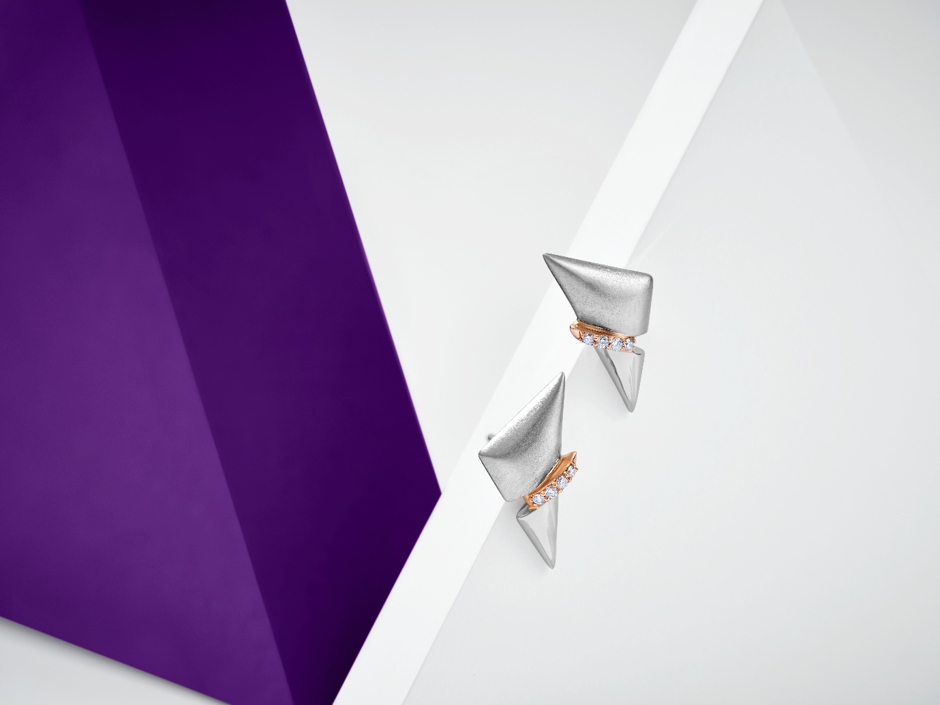
For retailers in the Middle East, it opens the door to a wider design vocabulary from India, including love bands, men’s jewellery, bi-metal pieces and collections that combine modern aesthetics with strong precious metal value.
Over time, we see the India-Middle East corridor becoming more important for platinum. India brings design agility, manufacturing strength and category-building experience. The Middle East brings scale, luxury retail expertise and a diverse consumer base. CEPA strengthens the commercial bridge between the two.
PGI India partners have played a significant role in platinum’s expansion into the Middle East. How do consumer preferences in the region differ from those in India in terms of design aesthetics, purchase occasions and perceptions of platinum jewellery?
There are shared values across both markets, but the expression differs. In India, platinum has been built around meaning-led categories such as commitment, self-expression, modern masculinity and personal milestones. The consumer story is deeply linked to identity, relationships and the desire for a precious metal that feels modern and distinct.
In the Middle East, the jewellery consumer is more diverse because the market serves local residents, expatriates, tourists and a strong Indian diaspora. Design preferences often lean towards a more visible sense of luxury, with high finish, strong craftsmanship and pieces that can work across gifting, celebration and personal adornment. There is also a greater openness to international design influences. Religious and cultural guidance against wearing gold for Muslim men presents a distinctive opportunity for platinum.
What is common across both markets is the importance of trust, purity and preciousness. Consumers want to know what they are buying. Platinum’s 95% purity and rarity give it a strong foundation. The opportunity is to adapt the design and retail language to each market while keeping the core platinum story consistent.
What trends, opportunities and challenges do you anticipate shaping the platinum jewellery market over the next year?
The next year will be shaped by a mix of value consciousness, design innovation and deeper market penetration. Consumers are evaluating jewellery more thoughtfully, especially in a high precious-metal-price environment. They want purity, trust, meaning and design, not just adornment.
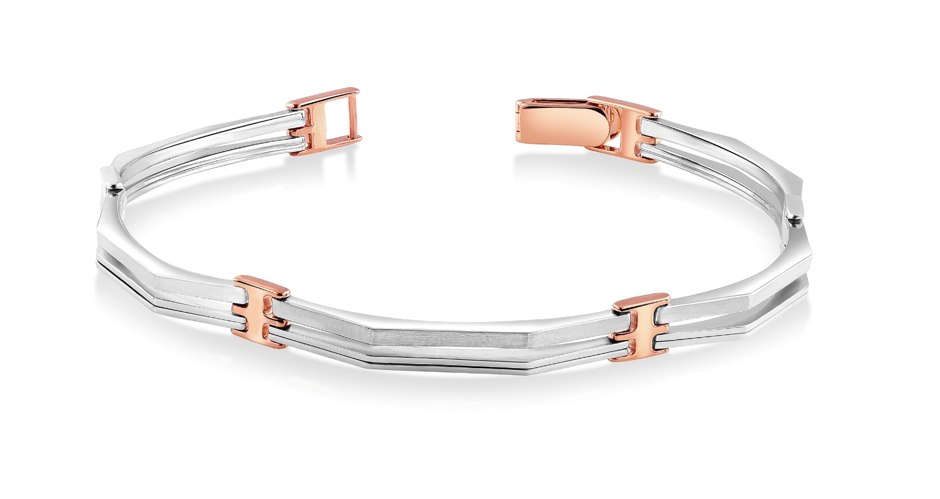
Men’s jewellery will continue to be one of the strongest opportunities. We are seeing men buy jewellery as an expression of personal style, success and values. Bi-metal designs will also remain important because they offer familiarity for gold consumers while introducing platinum’s rarity and purity in a contemporary way.
We also expect continued growth beyond the top metros. Tier 2 and Tier 3 markets are becoming more important as awareness, aspiration and organised retail access improve. Digital discovery will play a major role here, because consumers often encounter the brand online before they walk into the store.
The key challenges—and perhaps the biggest opportunities—lie in navigating price volatility, protecting margins, sustaining consumer education, and continually refreshing product innovation.
Overall, our outlook is positive. We do believe that the market will bounce back gradually towards the end of this calendar year. Platinum is aligned with where the consumer is moving towards jewellery that offers both strong rational and emotional value.