
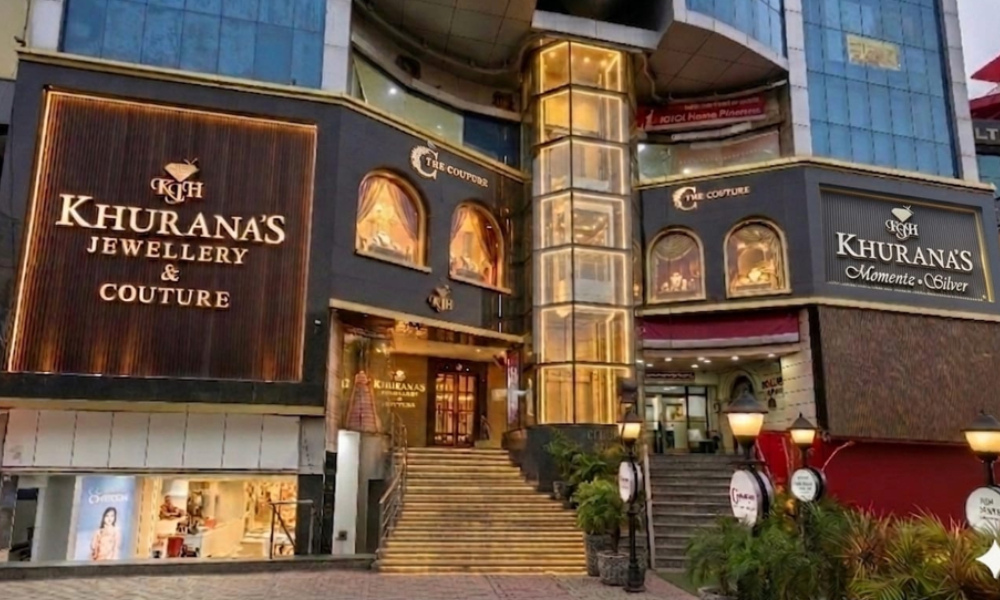
Building on a strong foundation of 75 years, Prerna Khurana, Director, Khurana Jewellery House, has transformed a traditional gold jewellery business to design-led house catering to a contemporary clientele. The brand has evolved while staying firmly rooted in craftsmanship and personal service. Prerna Khurana shares how changing customer preferences, bespoke design, the Punjabi bridal market, and the global Indian diaspora are shaping the house’s next chapter.
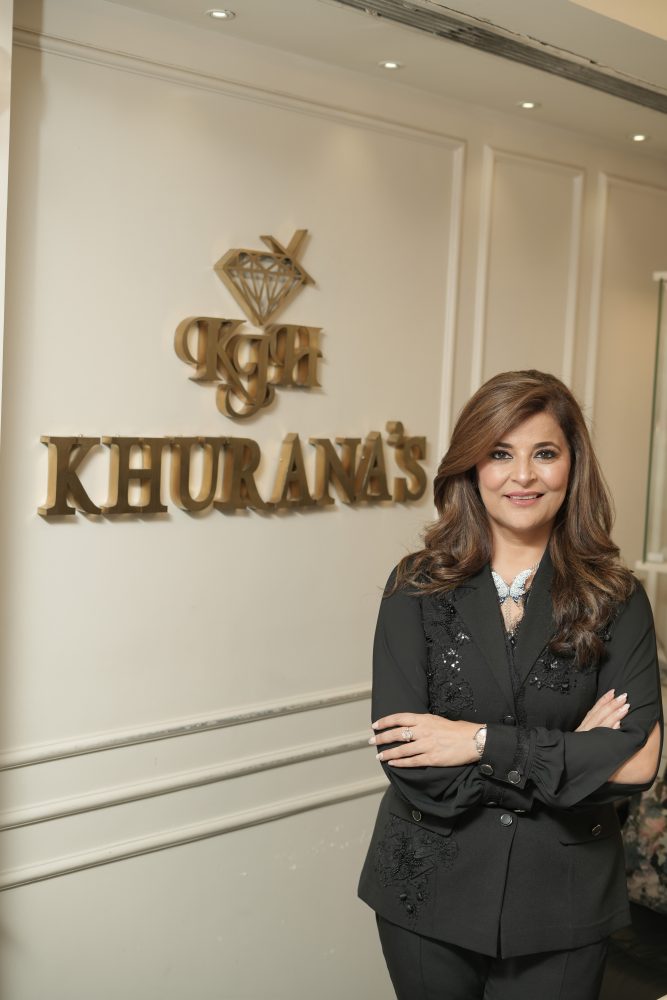
Khurana Jewellery House has a strong legacy in Amritsar. Could you take us through the journey of the house, and how the business has evolved over the years?
Our journey began in 1950 when Shri Uttam Chand Ji Khurana started the business in Guru Bazaar, Amritsar. We began with a focus on pure gold jewellery, rooted in traditional craftsmanship. Over the years, the business has evolved into a design-led jewellery house.
When I joined the business in 1999, I wanted to combine our rich heritage with contemporary designs. The idea was to go beyond traditional retail and create a space where clients could find jewellery that felt personal, artistic, and truly made for them.
How has the profile of your customer changed over the past five to ten years?
Today, customers are more aware, well-travelled and have a clear sense of what they like. Younger buyers, in particular, want jewellery that reflects their personality rather than being simply a traditional purchase.
There’s a move away from heavy jewellery to lighter and more versatile pieces that can work for a wedding, dinner or even a special evening out. This shift is also influencing the way we approach our collections and designs.
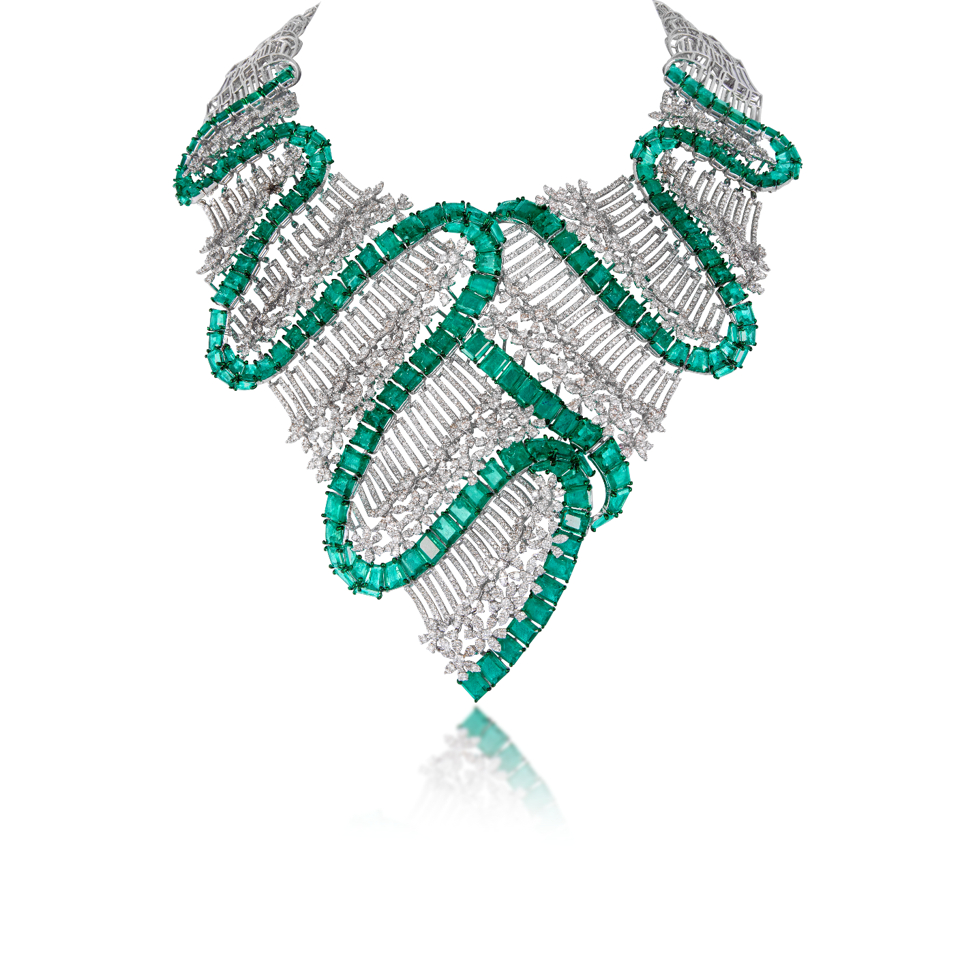
What are the most sought-after categories today — bridal jewellery, everyday gold, diamond jewellery, coloured gemstones or statement pieces?
Bridal jewellery continues to be an important part of our business. At the same time, we are seeing strong interest in diamonds and coloured gemstones for everyday and occasion wear.
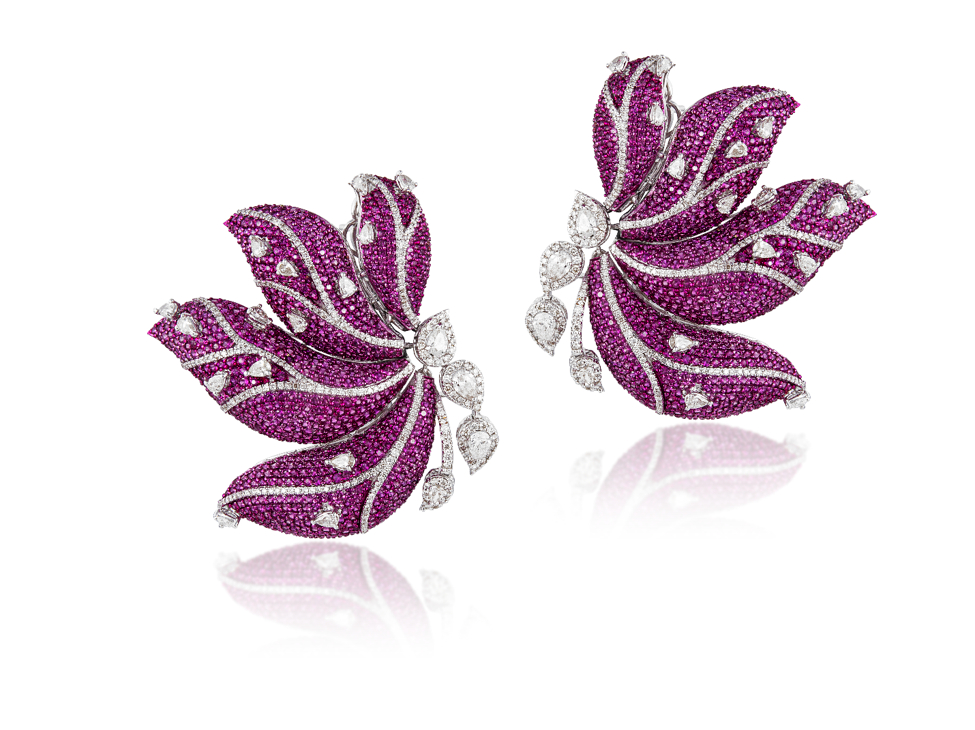
There’s demand for standout pieces such as statement earrings or necklaces, and a growing preference for polki and diamond jewellery that combines traditional detailing with modern forms.
Punjab has a strong tradition of elaborate bridal jewellery. How is the modern Punjabi bride redefining bridal jewellery?
The modern Punjabi bride still loves grandeur, but she is more conscious of how she will wear and use her jewellery beyond the wedding.
Brides are choosing pieces that can be worn in different ways or even separated into smaller pieces for other occasions. Many brides come to us with ideas, references, and mood boards, which we use as a starting point to create bespoke jewellery that feels personal and tells their story.
How important is craftsmanship and bespoke jewellery to your business?
Craftsmanship has always been central to our business. Bespoke jewellery is equally important to us because it allows us to create something that is personal to the client.
Customers today don’t want to see the same designs everywhere. They want something that feels different and has a story behind it. We spend a lot of time understanding what the client wants and then work closely with them through the design and making process.
For us, bespoke jewellery is about creating something that the client can truly call their own.
With gold prices at elevated levels, how has the price environment affected consumer behaviour?
Higher gold prices have definitely made customers more thoughtful about their purchases – they are value-conscious and pay more attention to design. Many are choosing designs that deliver a rich, detailed look without adding excessive weight.
However, the demand for gold jewellery remains strong.
What role do diamonds play in your current business mix? Have you noticed any shift in preferences between natural diamonds and lab-grown diamonds?
Diamond jewellery, especially across our contemporary and occasion-wear collections, remains among our most favoured categories.
We work exclusively with natural, certified diamonds, which continue to be preferred by our customers in Amritsar. Diamond jewellery is a long-term purchase that carries emotional value and is often passed down through generations.
While lab-grown diamonds are becoming more visible in the market, we currently do not offer them, as our core customers continue to prefer natural diamonds.
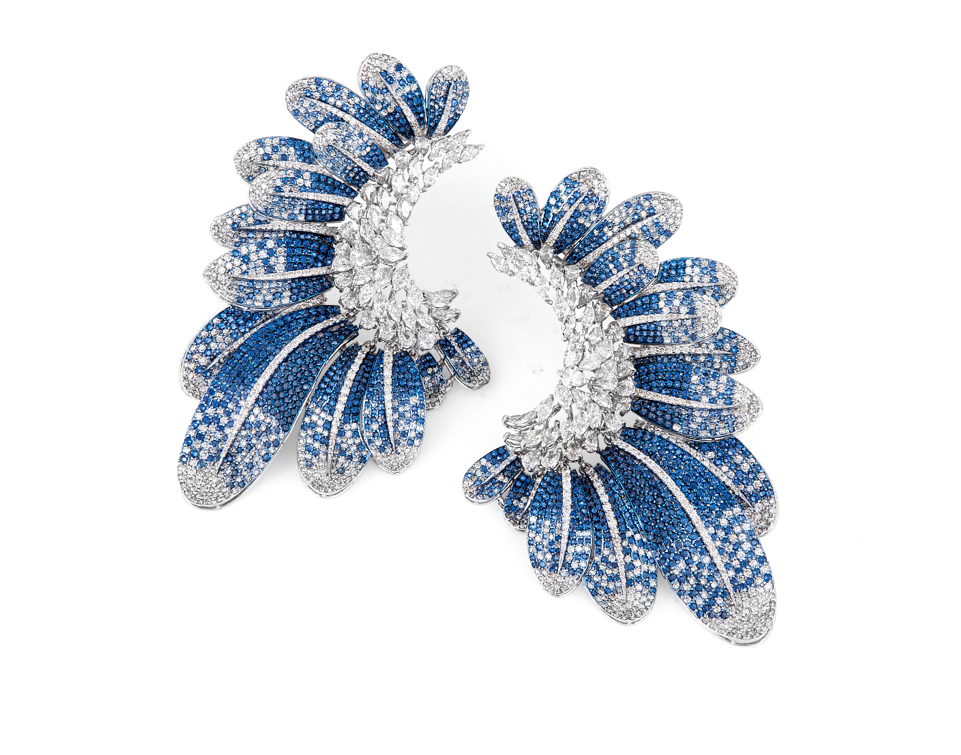
Amritsar has a large diaspora with strong connections to markets such as Canada, the UK, and the US. How important is the NRI customer to Khurana Jewellery House?
The NRI customer has always been an important part of Khurana Jewellery House, especially because Amritsar has such deep-rooted connections with the global Punjabi diaspora. Many of our NRI clients have a longstanding relationship with the brand, in some cases spanning generations.
What I find interesting is that the NRI customer today comes with a clear understanding of international trends, but they also have a strong emotional connect with Indian craftsmanship and traditions. For weddings, in particular, they opt for jewellery that’s rooted in our culture but lighter, more contemporary, and versatile.
Today, whether a customer is in Amritsar, London, or Toronto, she wants design, authenticity, quality, and value – jewellery that reflects her individual style.
Are there particular design influences or international trends that are resonating with your customers in Amritsar?
We are seeing a strong interest in minimal and elegant jewellery, along with a renewed interest in vintage-inspired designs. Customers often come to us with references they have seen at international fashion weeks, on celebrities or on social media.
Layered necklaces, stackable rings and nature-inspired designs are quite popular. We enjoy bringing these newer influences together with traditional Kundan and Polki craftsmanship, so that the jewellery feels contemporary while remaining connected to our heritage.
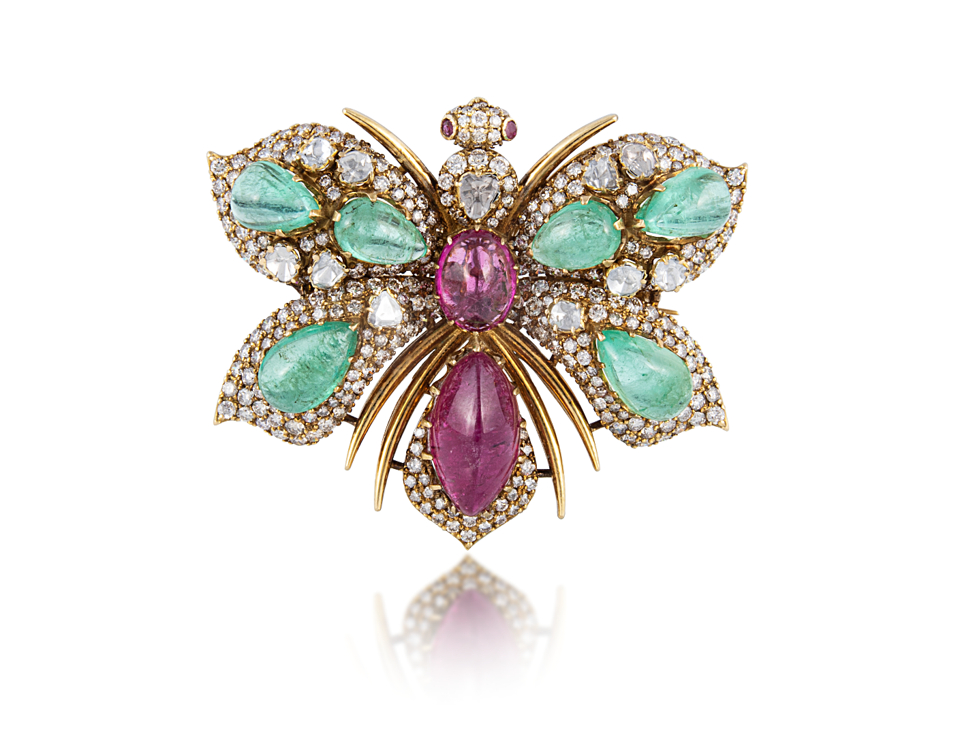
How important are social media, digital discovery and celebrity/influencer trends in shaping what customers walk into the store asking for?
Social media plays a key role. Clients walk in with screenshots from Instagram or Pinterest and ask us if we can create something similar.
Celebrity and influencer styles also have an impact. When a particular style of matha-patti, layered necklace or statement earring becomes popular, we often see customers asking for similar interpretations.
How do you see the Amritsar jewellery market evolving over the next three to five years?
The jewellery market in Amritsar is becoming more modern and customers want better overall experience; from the way they discover jewellery to the way they shop and customise it. Transparency, certification, and personalised service will become even more important.
Amritsar has a strong jewellery culture and I believe the market will continue to grow, with customers expecting the same level of quality and service they would find in larger cities.
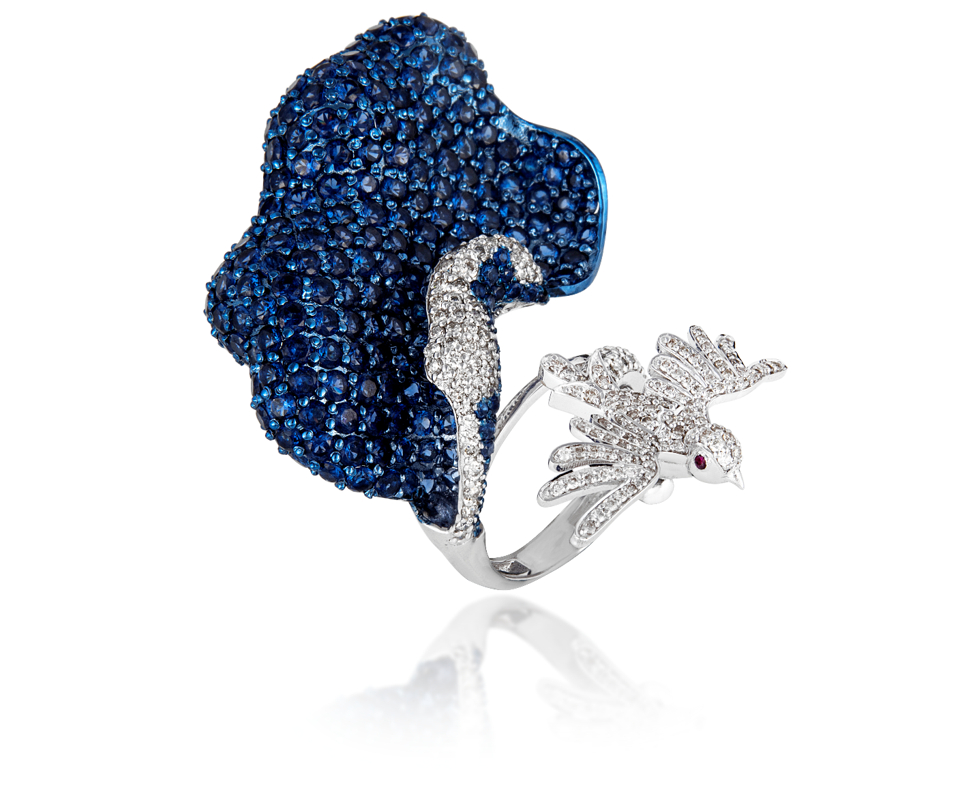
Are there plans for expansion, new collections, technology or reaching new markets?
We are looking at ways to grow, but for us, expansion has to be aligned with who we are as a brand. Our recent expansion into Ludhiana has been a major step, allowing us to take the Khurana experience to a new audience while retaining the personal connect that has always been at central to our business.
Going forward, we would like to strengthen our presence across Punjab beyond our existing physical stores.
Exhibitions and curated jewellery showcase in different cities have been a great way for us to reach new customers, understand their preferences, and introduce them to the Khurana Jewellery House experience. We see this as an important avenue for reaching newer markets while keeping our retail presence selective and focused.
We are increasingly using technology to help customers discover, explore, and experience our jewellery virtually, making the brand more accessible to customers who may not be able to visit our stores physically.
For us, growth is not just about opening more stores. It is about taking the Khurana experience to more people, while preserving the trust, craftsmanship and personal relationship that have defined us for 75 years.