
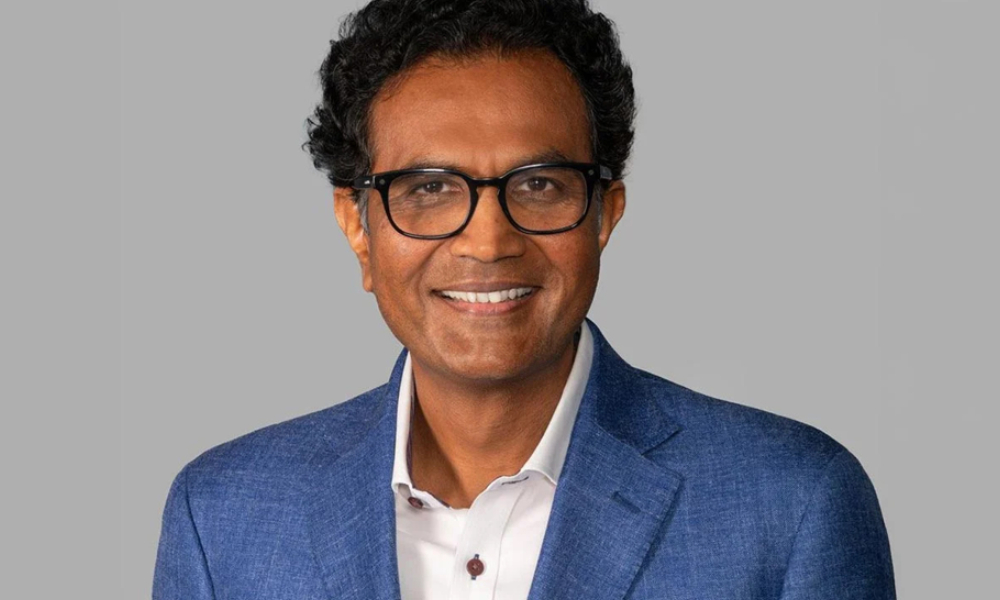
Leading GIA at a pivotal moment in its history, Pritesh Patel, President & CEO, shares his vision for a future-ready Institute built on science, innovation, and trust. Speaking with Solitaire International, he reflects on GIA’s evolving role, technological advancements, and India’s significance in the global gem and jewellery landscape.
You are only the seventh President in GIA’s 95-year history. What does this milestone mean to you personally, and what priorities have you set for the Institute as you take on this role?
It is an incredible privilege to lead an institution with such a rich history and an even greater purpose. What has struck me most since stepping into this role is the depth of trust GIA has earned over the past 95 years. That trust is reflected not only across the gem and jewellery industry, but also among our students, alumni, and consumers around the world. It’s our greatest responsibility, and one we never take for granted.
My priority is to build on that legacy while ensuring GIA is ready for the future. Together with our more than 3,000 colleagues across 10 countries, we’re advancing science and research, driving innovation through new laboratory services such as the GIA Jewelry Report and our upcoming fancy shape cut grading standard, enhancing the experience for our students wherever they learn, and strengthening our global alumni community.
Everything we do is in service of one mission: protecting consumer confidence and ensuring GIA remains the world’s most trusted source of knowledge, science, and confidence in gems and jewelry for generations to come.
As GIA celebrates 95 years since its founding in 1931 and looks towards its centennial in 2031, how do you envision the institute evolving while preserving the values that have made it the global benchmark in gemmology?
While the gem and jewellery industry and consumer expectations have changed drastically since 1931, our core mission to ensure trust in gems and jewellery remains unchanged. As we approach our centennial in 2031, preserving our values means ensuring that every one of our 3,000 team members across our global schools and laboratories works daily to make GIA fully future-ready. We will preserve our legacy not by standing still, but by remaining relentlessly curious and staying ahead of market shifts, new products, processes, and gem treatments.
You believe in building a future-ready GIA anchored in science, powered by technology, and trusted by consumers and the industry. What will this vision look like in practice over the next five years?
In practice, this vision means translating our scientific research into tangible tools and services that meet the needs of trade, our students, and consumers. Over the next five years, you will see several major milestones, including the 2027 rollout of a GIA cut grade for fancy-shape diamonds—beginning with marquise, oval, and pear shapes—which is a significant advancement based on extensive testing and research. It also means expanding consumer protection through new services such as the GIA Jewelry Report, advancing our leadership in coloured stone services, and enhancing the student experience with new facilities and programs.
How do you see automation, AI and advanced imaging reshaping diamond grading, identification, and laboratory operations, and where will human expertise continue to play an indispensable role?
Our focus has never been on technology for its own sake. It’s about using science and technology together to better serve the industry and strengthen consumer confidence. AI, automation, and advanced imaging help us improve consistency, efficiency, and speed – from automating aspects of diamond grading to advancing colored stone identification and geographic origin services. Technology doesn’t replace expertise; it amplifies it.
Our scientists and gemmologists remain at the heart of everything we do. Their judgment, integrity, and decades of experience are what make GIA trusted around the world, and that’s not changing. The future of GIA is the combination of world-class people, leading-edge science, proprietary datasets, and innovative technology, all working together.
GIA’s investment in Tracr signals a deeper commitment to provenance and traceability for natural diamonds. How do you see this partnership evolving, and what role will digital provenance play in shaping the future of the diamond industry?
Our investment in Tracr reflects our belief that independent verification, transparency, and consumer trust will be the defining metrics of the gem and jewellery industry in the years ahead. As consumer expectations shift towards transparency, this partnership enables us to use digital innovation to strengthen confidence in the market, from the mine to the retail counter.
GIA has continued to expand its global footprint with initiatives such as the new Taiwan campus, the London campus, and the Dubai laboratory. What factors guide the expansion strategy, and are there any regions—including India—that you see playing a larger role in GIA’s future plans?
GIA has expanded where the industry and students need us most. Our expansion strategy is guided by a desire to improve the student experience, increase access to our classes, and meet the needs of our global laboratory clients. We recently opened a new educational facility in Taiwan, with expansions in London and New York to follow. Regions with important manufacturing and retail sectors, including India, are vital to this ecosystem, as they help us stay in touch with the pulse of the trade.
India remains one of the world’s most important centres for diamond manufacturing, jewellery production, and gemmological education. How do you see GIA deepening its engagement with the Indian industry?
India has always been a vital market for GIA, and I believe its importance will only continue to grow. While it remains the world’s leading centre for diamond manufacturing and a global leader in jewellery production, it’s also emerging as one of the world’s most important consumer markets.
Our role is to serve the industry through independent science, world-class education, and trusted laboratory services that help businesses navigate a rapidly evolving global marketplace. As India’s importance continues to grow, GIA is committed to investing in its future, developing the next generation of professionals, and strengthening consumer confidence across the global gem and jewelry industry.
If you were to define the next era of GIA in one sentence, what would it be?
For our next era, GIA is building a future-ready institute—anchored in science, empowered by technology, and trusted by consumers and the industry for generations to come.
Looking ahead to the Institute’s centennial in 2031, what transformational changes do you hope will have redefined not only GIA, but the global gem and jewellery industry itself?
By 2031, I hope to see an industry where full transparency and complete disclosure are universal norms. I look forward to our standards, such as our upcoming fancy-shape cut grade system, being fully integrated globally to elevate consumer confidence to historic highs. By anchoring the market in rigorous, science-based standards, we can ensure that future generations in our industry and consumers can interact with absolute trust and integrity.