
GJEPC’s Paris Jewellery Summit brought a curated group of 17 Indian jewellery houses to Paris, renewing an age-old fascination between India and France. Thanks to maharajas, merchants and master jewellers, the relationship has evolved into an enduring legacy of creative exchange. Understanding this shared history can help shape the future, laying the groundwork for collaborations that bring together Indian craftsmanship, French design sensibilities and advanced technologies. The opportunity lies in building on this legacy to explore new possibilities in contemporary jewellery.
The India-France jewellery story is older than the maisons of the Place Vendôme. In the 17th century, the French gem merchant Jean-Baptiste Tavernier made six voyages to India, including visits to the legendary diamond mines of Golconda. He returned with stones that astonished Europe, among them the blue diamond he sold to Louis XIV in 1668. That stone was later recut and became the French Blue, which eventually came to be known as the Hope Diamond.
The cultural and aesthetic connection between India and France is not new. It has already produced some of jewellery history’s most memorable creations. For France, a country whose jewellery heritage is deeply rooted in craftsmanship, design and maisons of global renown, India’s rich craft traditions have long provided a natural source of creative exchange.
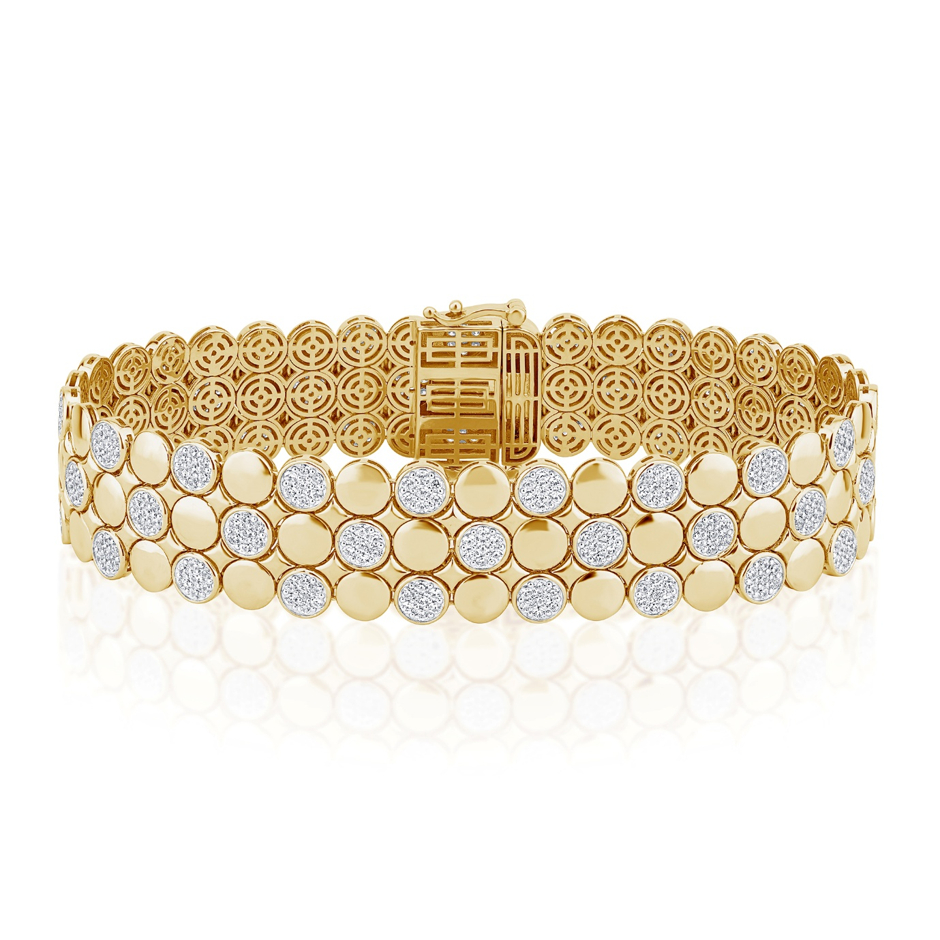
Likewise, India’s relationship with jewellery is as old as its civilisation. For thousands of years, jewellery has been far more than adornment—it has carried narratives of identity, belief, celebration, status, wealth, and cultural expression.
From the start, India was the source of the world’s finest gemstones, and France was the market that knew how to turn them into art.
By the early 20th century, Indian royalty, among the most discerning patrons of their time, travelled to Paris and trusted French jewellers to reset their family treasures in the new Art Deco idiom.
The courts of the maharajahs commissioned exceptional jewels from European maisons, creating an exchange of ideas that would leave a lasting mark on jewellery history.
Few examples illustrate this cultural dialogue better than the relationship between India and the great French jewellery houses. Cartier, Van Cleef & Arpels and Chaumet created extraordinary jewels for Indian royalty.
Cartier’s celebrated Tutti Frutti style remains one of the most recognised expressions of this cross-cultural exchange. Van Cleef & Arpels, too, developed a deep fascination with India. Its 1924 Hindou brooch, inspired by the form of an Indian arm ornament and incorporating Hindu imagery including Brahma and Vishnu, is one early example of this engagement.
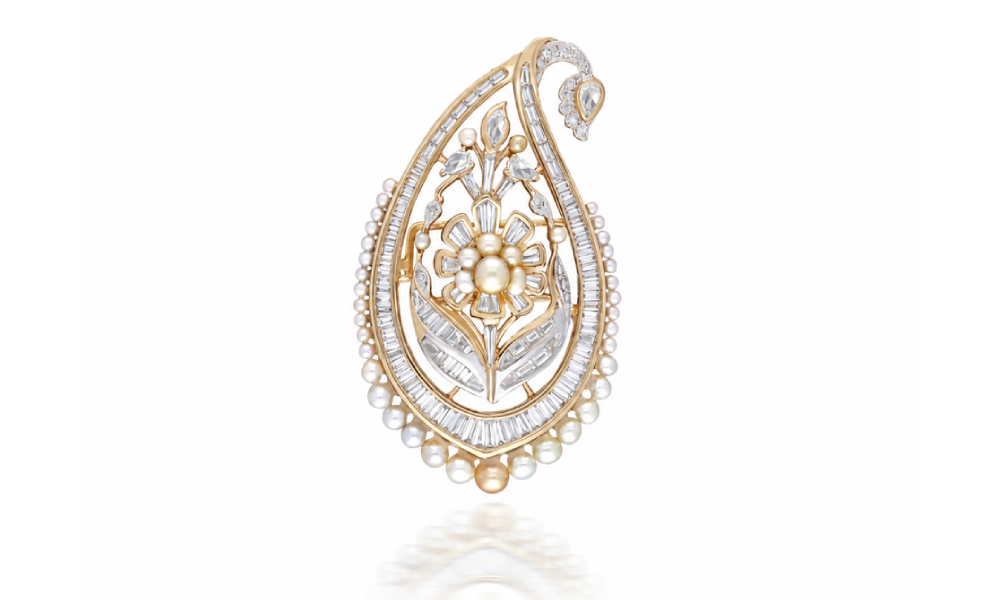
European designers absorbed elements of India’s visual language such as paisley forms, carved gemstones, tassels, vibrant colour combinations. In turn, Victorian lace and Art Deco influences found their way into Indian jewellery enriching its design language.
his exchange was an encounter between two sophisticated jewellery cultures—and the resulting dialogue created jewels that continue to be celebrated as milestones in jewellery history.
That is the context for the Gem & Jewellery Export Promotion Council’s decision to bring 17 leading Indian gem and jewellery companies to Paris for the first time as part of an Indo-French B2B initiative. The aim is to connect Indian manufacturers and designers directly with France’s luxury ecosystem.
The timing matters. Negotiations on the India-EU Free Trade Agreement concluded in January 2026. Once it is formally signed, it is expected to ease tariffs and expand market access for Indian exporters, jewellery included. Until then the initiative is groundwork for the opportunities ahead. The Paris initiative is therefore an opportunity to build business relationships and prepare for the possibilities that a more favourable trade environment could create.
Indian handcrafted skills
Across generations, Indian craftspeople have developed an extraordinary repertoire of techniques, from filigreed gold Kolkatti jewellery and silver filigree from Cuttack to Benarasi enamelling and Thewa work—where 23-karat gold is fused onto glass. These craft traditions have received Geographical Indication (GI) recognition, helping identify and preserve their regional heritage.
These are living crafts that continue to shape contemporary jewellery.
While India’s traditional craftsmanship remains at its core, the country’s jewellery industry has embraced advanced technology, bringing the precision of the machine together with the sensitivity of the human hand.
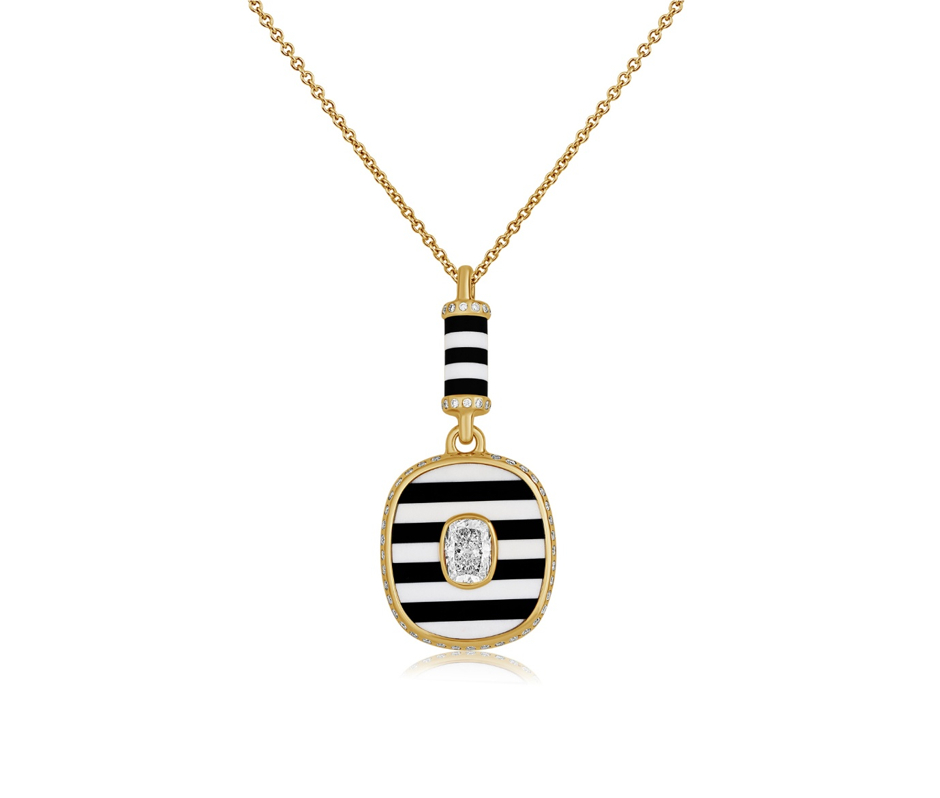
This evolution has expanded what Indian manufacturers and designers can create. Expertise now extends across high-precision gemstone cutting, technically demanding cuts, precision pavé and vitreous enamelling, alongside work in materials that go beyond traditional precious metals, including titanium, ceramic, carbon fibre and aluminium.
Yet technology has not displaced Indian craftsmanship. It has given traditional skills new possibilities, allowing them to be translated into increasingly precise, intricate and contemporary forms.
Surat has evolved into a global centre for diamond cutting and polishing, combining generations of artisanal expertise with sophisticated technology and precision manufacturing. The city is home to the world’s largest concentration of Sarine mapping machines, underscoring its position at the forefront of technology-driven diamond manufacturing. India today handles more than 90% of the world’s diamonds by volume, making its cutting and polishing capabilities an integral part of the international jewellery supply chain.
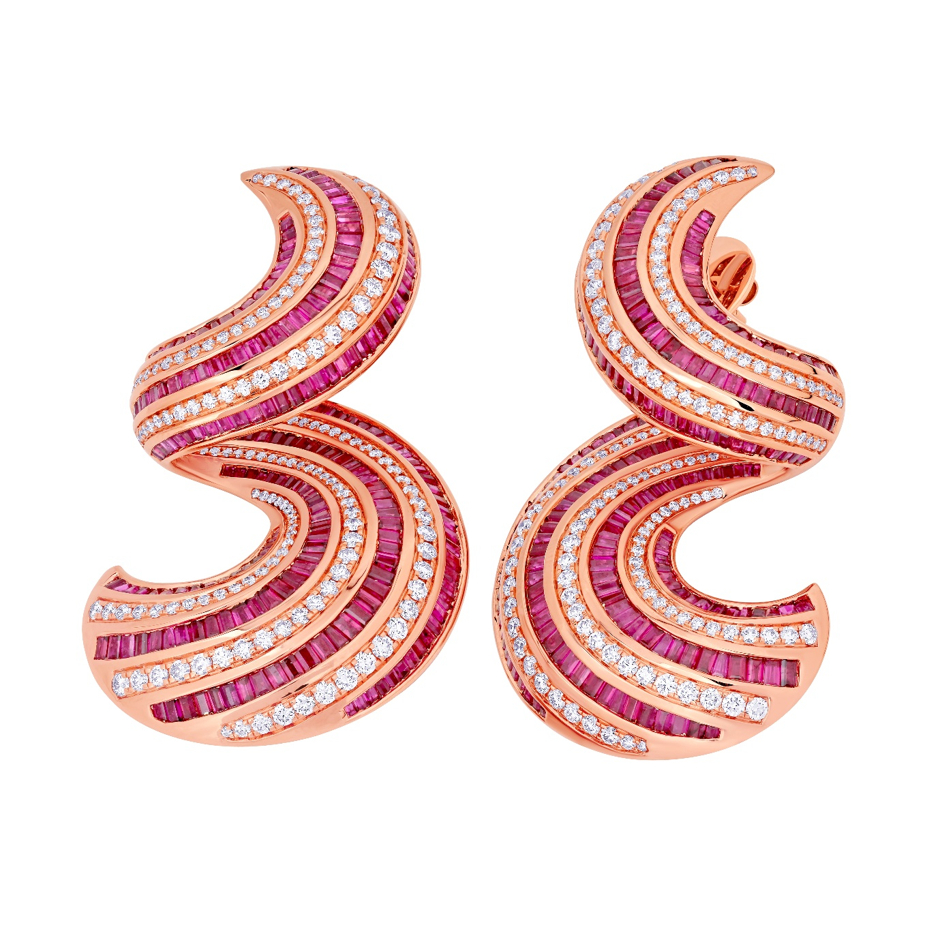
Jaipur, too, is one of the world’s leading centres for coloured gemstones, with expertise in manufacturing emeralds, tanzanite and a wide range of other precious stones. It is also renowned for its enamelling artistry, creating a craft ecosystem that continues to attract designers and retail chains from around the world.
The importance of these clusters lies not only in their manufacturing capabilities but also in the knowledge that surrounds them—the accumulated understanding of stones, colour, proportion, setting and technique that passes from one generation to another.
Alongside these established craft centres, a new generation of Indian designers and jewellery brands is taking this heritage in contemporary directions, creating distinctive, avant-garde work that is increasingly finding an audience on the global stage.
Global Outreach
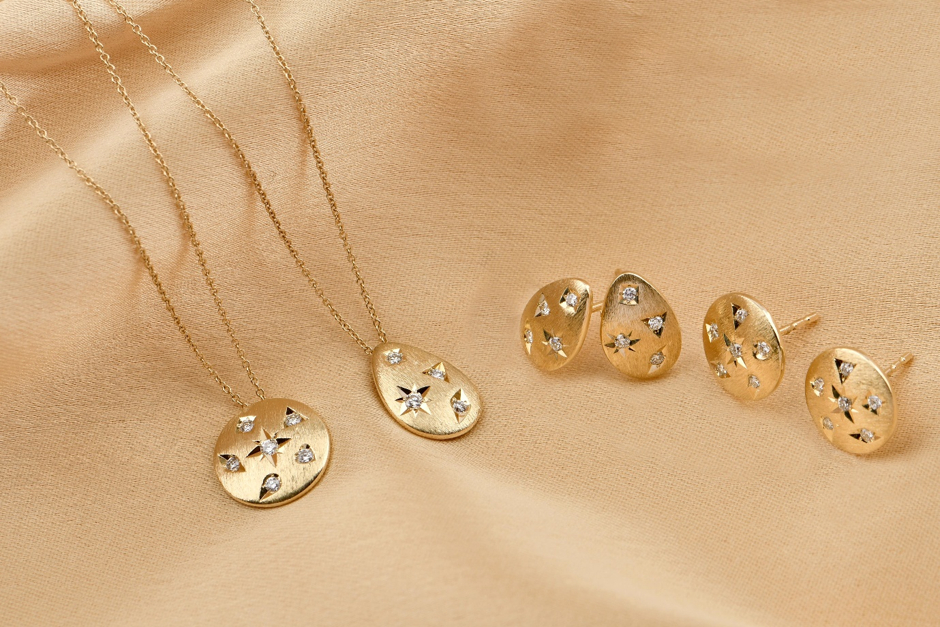
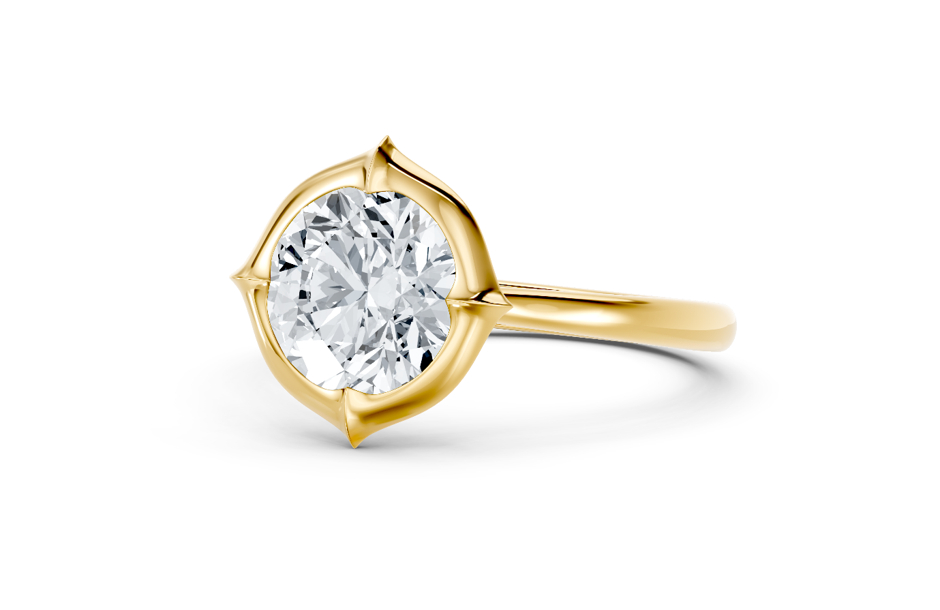
Today, the relationship between India and the international jewellery community is moving beyond the historical exchange between royal patrons and European maisons. Designers, artisans and jewellery businesses are increasingly finding new opportunities to collaborate, drawing on Indian craftsmanship and design traditions while interpreting them for contemporary global audiences.
One of the most significant shifts in the India-France jewellery relationship is the move from inspiration to active collaboration.
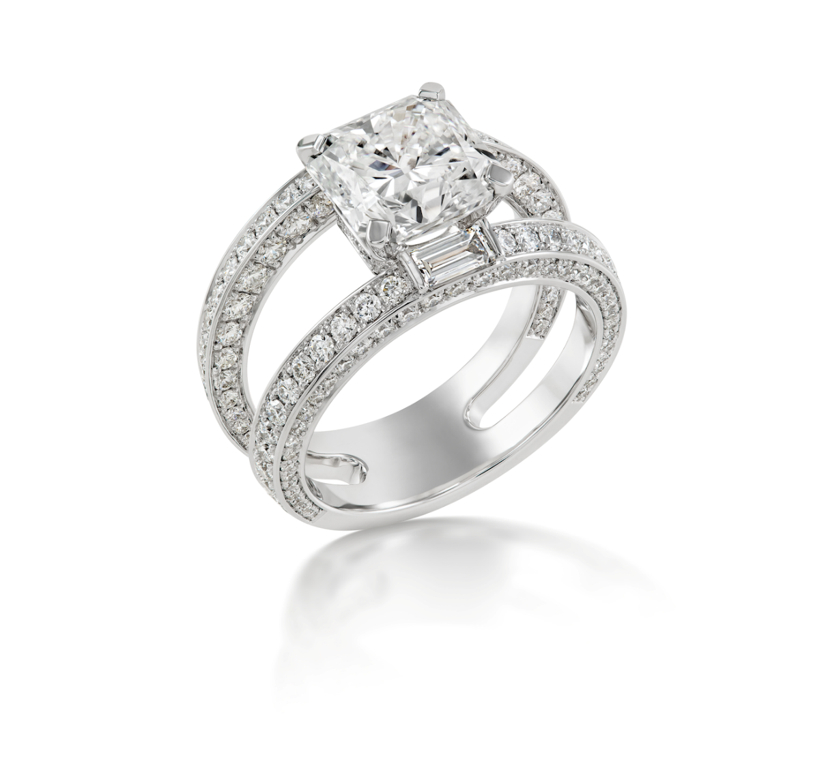
French designer Marie-Hélène de Taillac’s jewellery is a contemporary example of this exchange. She draws much of her inspiration from India, with most of her jewellery crafted in Jaipur using traditional techniques, while bringing a distinctly Parisian sensibility to her work.
The next generation of designers can bring together French design sensibility with Indian craftsmanship and technology, creating new possibilities for jewellery that neither tradition could have produced alone.
That promise carries real economic weight too. With coordinated policy support and industry action, GJEPC aims to increase exports from around $30 billion today to $100 billion+ by 2040.
India’s jewellery story, therefore, is not simply one of a great manufacturing centre. It is the story of a living craft culture—one that has inspired some of the world’s most celebrated jewellery houses, absorbed influences from across the globe, and continues to reinvent itself without losing its identity.
From the legendary diamonds of Golconda and the jewels commissioned by Indian royalty to the workshops of Jaipur and Surat; from traditional enamelling and gem setting to CAD, 3D printing and precision manufacturing, Indian jewellery craftsmanship has continually reinvented itself without losing its identity. India’s greatest strength lies precisely in this ability to carry the knowledge of the past into the possibilities of the future—and to continue inspiring the world of jewellery along the way.