
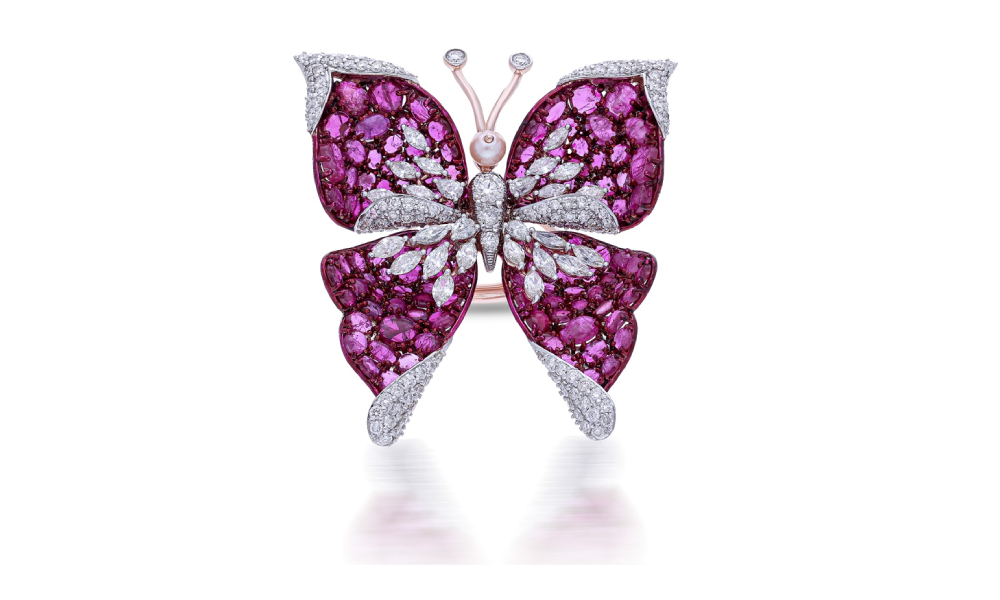
If there is one unmistakable trend emerging from the aisles of IIJS Bharat Premiere 2026, it is this: colour has taken centre stage. As consumers become more design-conscious and confident in experimenting with gemstones, coloured stones are no longer reserved for special occasions—they are becoming an integral part of everyday jewellery collections.
Leading the charge are emeralds, which continue to be the undisputed favourites. From Zambian and Colombian to Russian origins, demand remains robust across qualities and sizes. Prices begin at around ₹4,000 per carat and can climb beyond ₹50,000 per carat for exceptional stones. Emerald pairs, particularly in heart shapes for earrings, are witnessing strong demand.
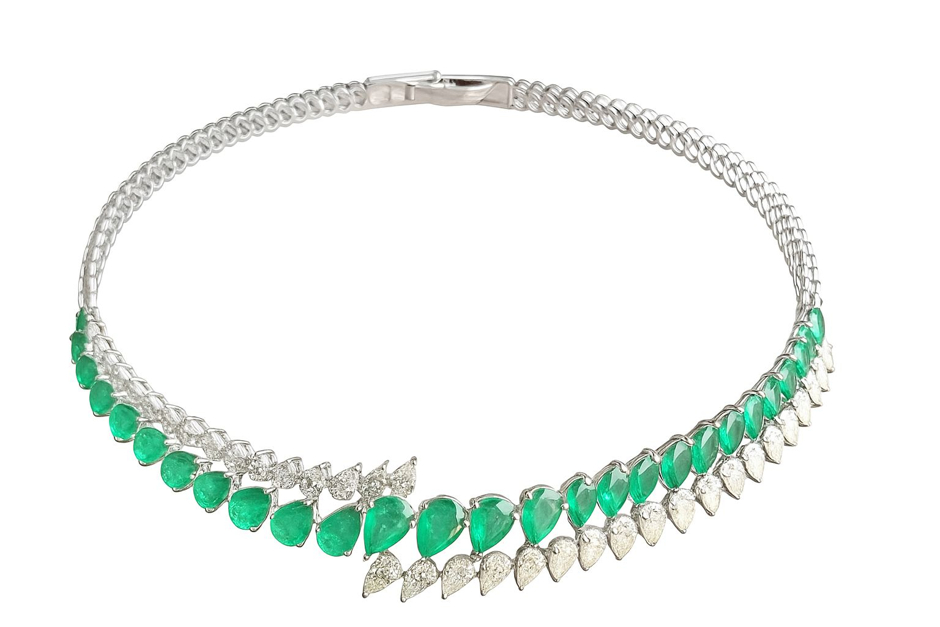
“Untreated emeralds continue to perform exceptionally well for us,” says Anil Punjabi of Tahilram Tirthdas Jewellers. “Alongside emeralds, kunzites and pink sapphires are seeing tremendous interest. Consumers are also gravitating towards softer pastel hues that lend themselves beautifully to contemporary jewellery.”
Kunzites, priced at around Rs.5,000 per carat for good quality stones, are emerging as an attractive option, while small fancy-shaped pink sapphires are adding a fresh dimension to modern jewellery collections.
For Yash Dhamani of National Facets, whose company cuts nearly 150 varieties of gemstones ranging from Rs. 50 to Rs. 50,000 per carat, India’s coloured gemstone market is entering a defining phase.
“Consumers today are far more educated,” he explains. “Earlier, they would simply ask for a ‘blue stone’. Today, they specifically ask for tanzanites or sapphires. Social media and greater awareness have completely transformed buying behaviour.”
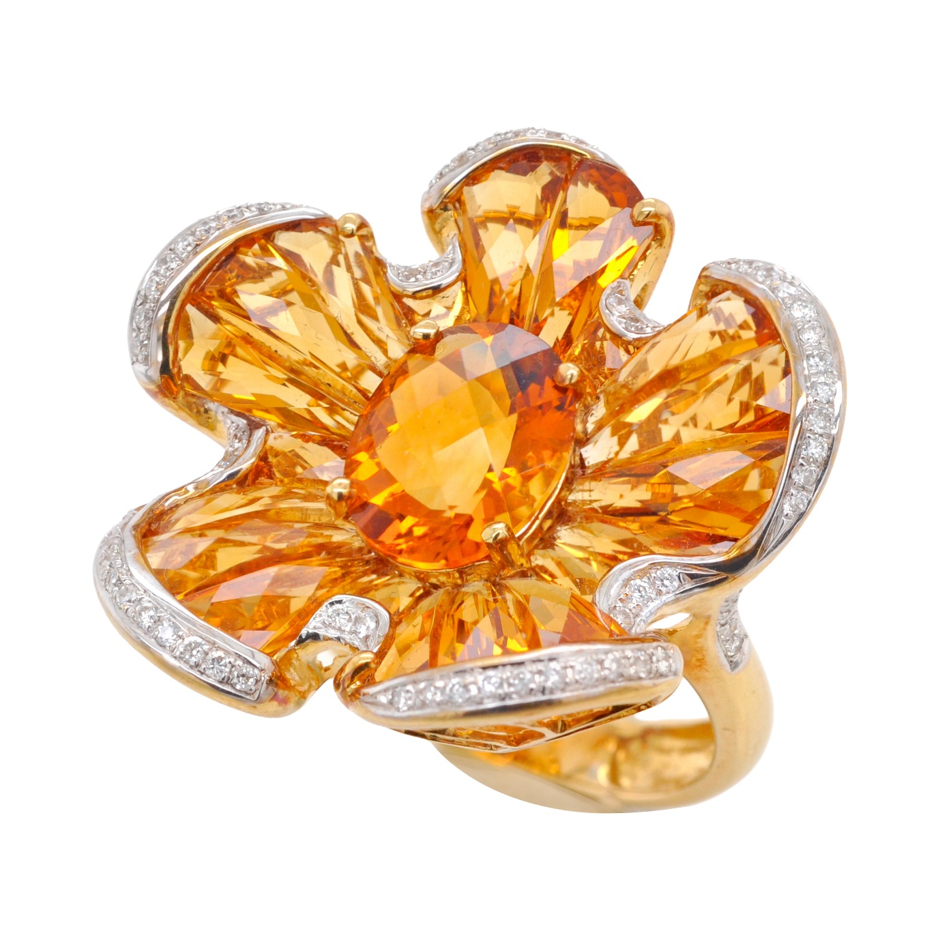
He points out another significant shift: retailers are no longer focused on buyback discussions. Instead, they are looking at coloured gemstones as an essential category within contemporary jewellery. As bridal collections mature beyond traditional emeralds and pink tourmalines, designers are increasingly embracing aquamarines, spessartites and a wider variety of tourmalines, offering consumers distinctive looks at accessible price points.
The evolution extends to gemstone cuts as well. While classic ovals, octagons and pear shapes remain relevant, buyers are increasingly favouring trillion, shield, heart-shaped and other organic fancy cuts, particularly for earrings and pendants.
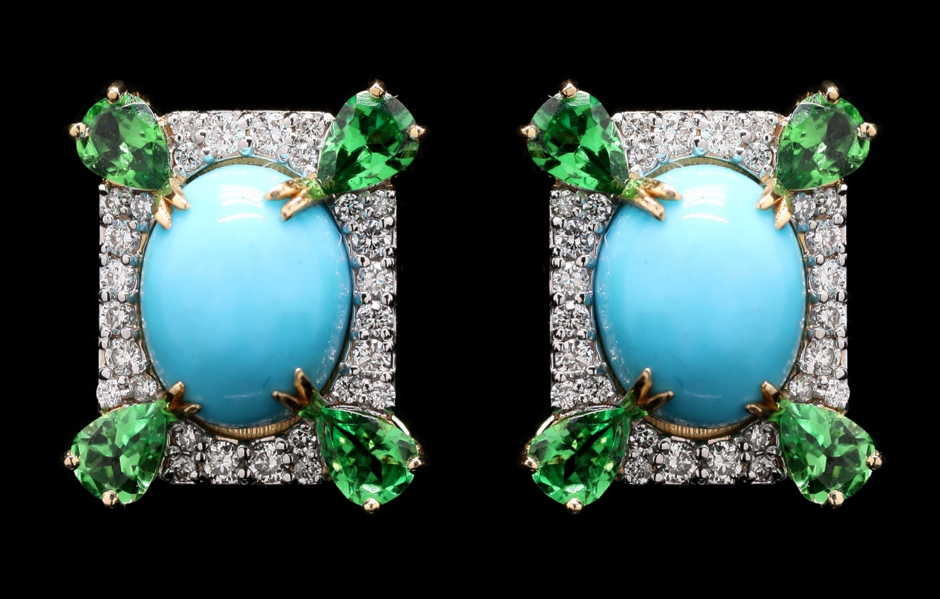
Dhamani also notes that jewellery originally developed for the US market by his company has found an even stronger response in India, with domestic sales outpacing international demand fivefold.
At Baid Trading Corporation, Aayush Jain reports brisk business in pastel-hued multi-colour tourmalines, commercial-quality Russian emeralds in fancy shapes, as well as morganites and aquamarines.
He also highlights the enduring appeal of Navratna gemstones, a category that continues to enjoy unwavering demand across generations.
Colour is no longer an accent— it is the defining language of jewellery. As Indian consumers embrace individuality, versatility and vibrant self-expression, coloured gemstones are set to shine brighter than ever.