
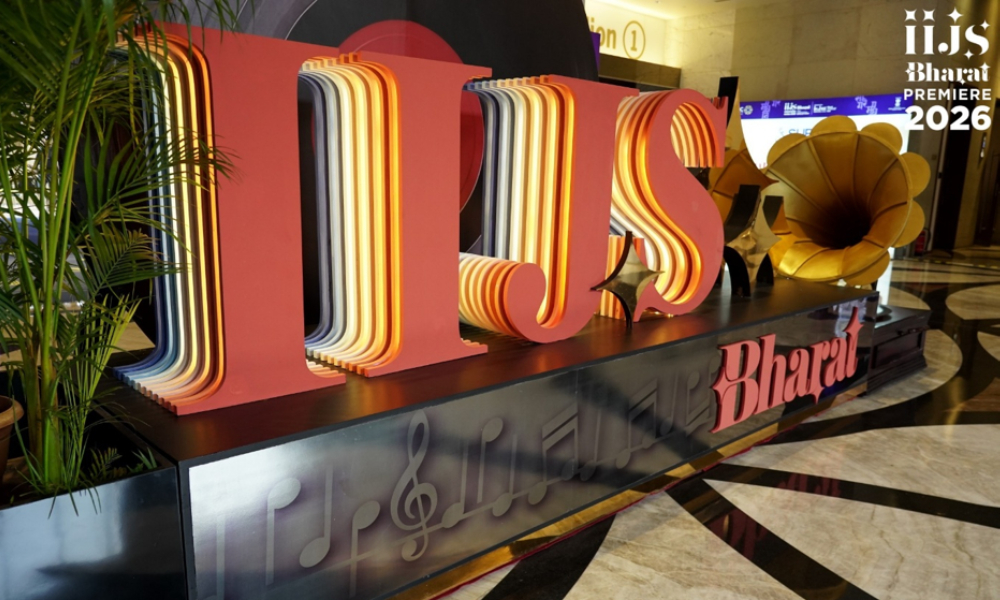
The 42nd edition of IIJS Bharat Premiere 2026, organised by GJEPC, concluded in Mumbai on 10th August, the strongest B2B edition in the show’s 25-year history.
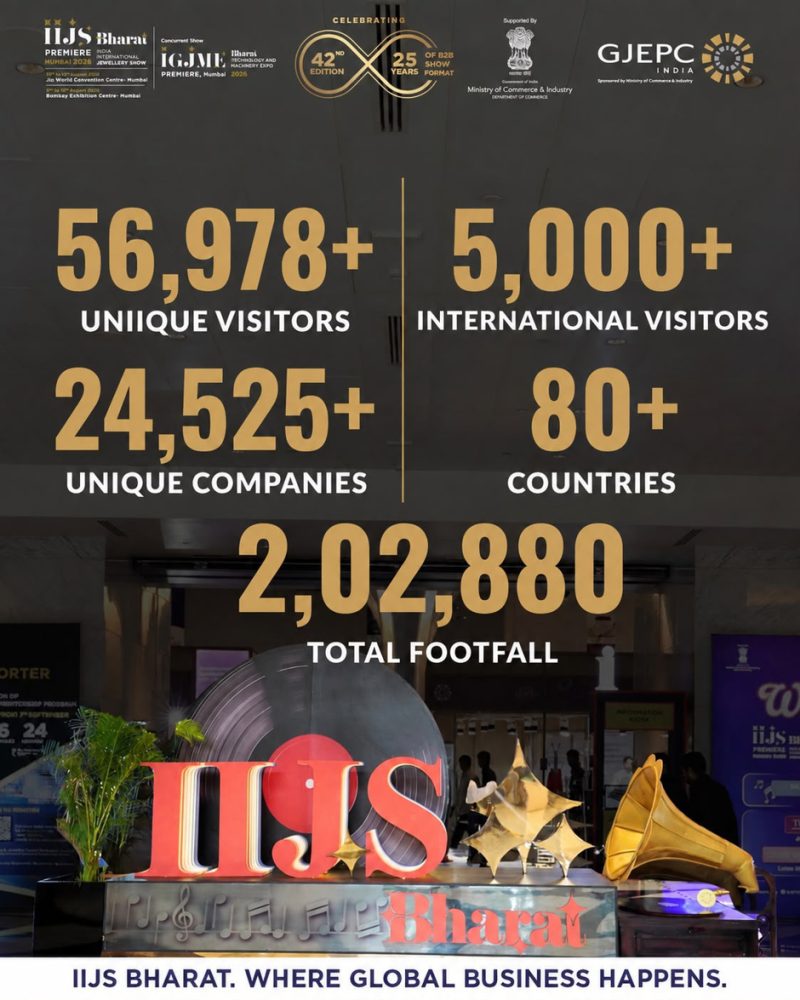
The numbers tell all. Spanning 135,000 sq. metres across the Jio World Convention Centre (JWCC) and the Bombay Exhibition Centre (BEC), the show hosted 2,100+ exhibitors across 3,600 stalls, welcomed 56,978 unique visitors representing 24,525 companies, recorded a total footfall of 2,02,880, and attracted 5,000+ international buyers from over 80 countries — the largest global participation the show has ever seen.
Speaking on the success of the show, Shri Kirit Bhansali, Chairman, GJEPC, said: “IIJS Bharat Premiere 2026 has delivered an unprecedented signal of growth and confidence for global trade. The scale of participation reflects the immense trust that the world places in Indian craftsmanship, quality and reliability. With operational FTAs with the UK, Oman, UAE and Australia opening preferential market access, and the landmark 15-year tax exemption for Special Notified Zone rough diamond sales passed in Parliament, India is no longer just where diamonds and jewellery are made — it is emerging as a global hub where international business is transacted. We remain firmly on track towards our vision of achieving $100 billion in gem and jewellery exports by 2047.”
Adding to the show’s comprehensive sourcing value, IGJME Bharat Premiere 2026 ran concurrently at the Bombay Exhibition Centre with 249 exhibitors across 348 stalls. As the industry’s premier machinery and technology showcase, IGJME presented cutting-edge manufacturing solutions, advanced 3D printing, precision engineering and automation — underscoring the sector’s push toward globally competitive, high-tech production capabilities.
Exhibitors Speak
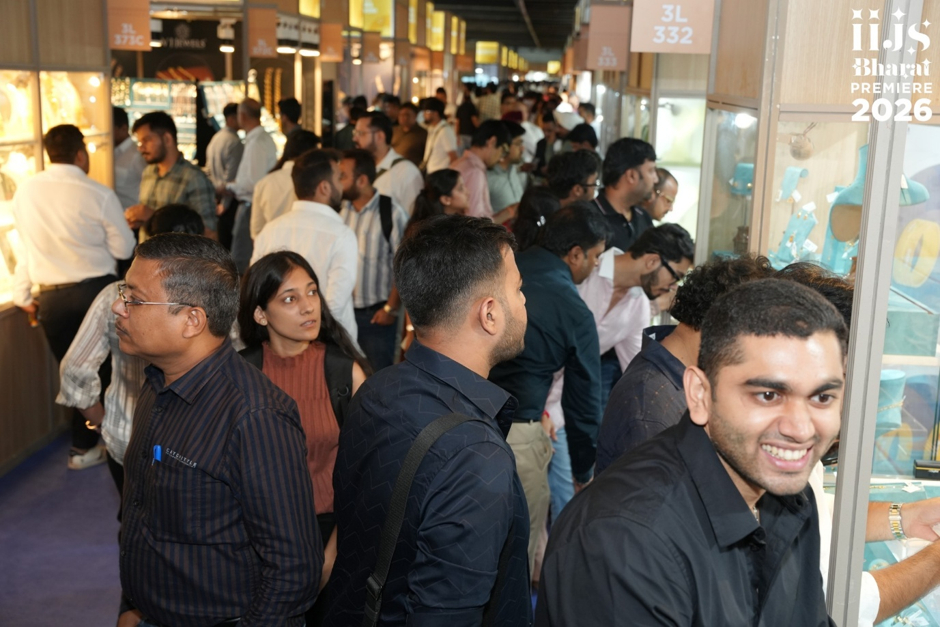
Beyond the official numbers and initiatives, perhaps the clearest picture of the show’s mood came from the exhibitors themselves. Conversations on the stands pointed to a market that is becoming more selective, while also showing signs of renewed confidence. Buyers were looking for value, lighter constructions and distinctive design, even as demand for higher-value and more aspirational pieces remained strong. The response across categories also varied considerably, reflecting the changing preferences of both Indian and international markets.
Aaditya Shah, Head of Business Development, S. Vinodkumar, noted, “India is definitely the future. We are at a stage where disposable income is rising, and more people are earning independently and choosing to spend on themselves. That is an incredibly positive sign for our business.
“Diamonds have gone through a difficult phase over the last two years, but we are already seeing a rise, with certain sizes and categories commanding a premium again.
“At the same time, we are seeing strong demand at both ends of the spectrum. Micro-sized diamonds are doing extremely well because they add sparkle to gold jewellery without significantly increasing the overall cost. At the other end, diamonds above two carats are performing phenomenally well. This is a segment that remains largely untouched by the lab-grown diamond conversation and has a strong aspirational appeal.
“For something as emotional and sentimental as an engagement or a milestone in life, consumers still want the finest, and in that context, finest means natural diamonds. Their rarity is what gives them their value. We have also recently ventured into the high-end category. For us, high-end is not simply about using bigger stones. There is ‘carat couture’, where you move from 10 pointers to 50 pointers, but true high-end is about design sensibility. It is about creating designer pieces, irrespective of the carat size. We see a large, growing and relatively untapped customer base for this.
“For us, AI will certainly play a huge role in streamlining operations and making businesses more efficient, but the human touch will always remain important in jewellery.”
Nikunj Jain, Executive Director, Sundaram Chains, said, “As expected, IIJS never lets you down. We had crazy footfalls from domestic as well as overseas. We received good orders from the UK, Dubai, Malaysia, Bangladesh, Nepal, and Fiji. Our 9-kt collection received a thumbs up from New Zealand and Fiji, as well as clients from Gujarat and UP.
“However, maximum number of orders was received for 22-karat and 18-karat rose gold in the exclusive designer category collections. Buyers, in general, are seeking more light and affordable options considering the yellow metal’s price trend since the past one year.”
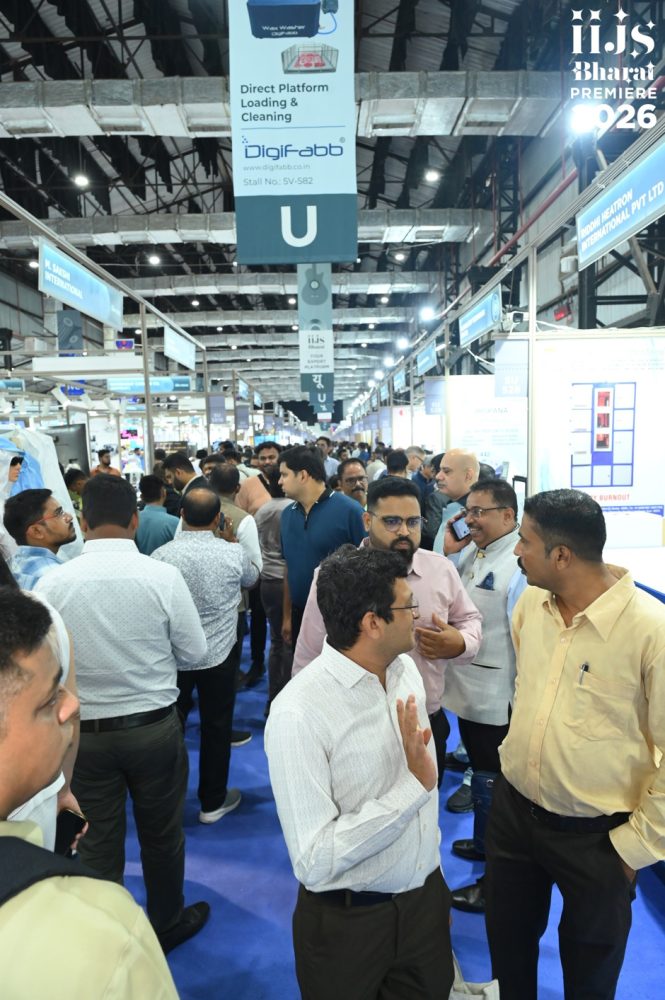
Ashish Sand, Co-Founder, Savio Jewellery, stressed that IIJS 2026 is the most critical commercial launchpad for Indian manufacturers because it acts as the primary B2B engine that sets consumer trends, defines seasonal demand, and dictates order books for the global jewellery sector.
“The market trends at the show pivoted towards coloured stone jewellery and multi-carat-coloured centrepieces. Consumer attitudes are increasingly “finicky about design”. IIJS demands a design language beyond generic heritage jewellery, forcing manufacturers to integrate cultural storytelling with modern, practical wearability.
“The footfalls and the unparalleled global buyer connectivity proved exactly why this remains India’s premier B2B jewellery show!”
Chetan Thadeshwar, Chairman & Managing Director, Shringar House of Mangalsutra Ltd., noted, “The show has been a very encouraging for us. After a few challenging months for the jewellery industry, the energy, participation, and business enquiries at the show were extremely promising. We saw strong demand across our core mangalsutra and lightweight jewellery categories, particularly in 22- and 18-kt gold.
“Our new collection, SHRINGAR NXT, the lightweight bridal gold jewellery collections offering a balance of design and value received an excellent response with strong interest from chain stores and corporates from across India. This is a clear indication that market confidence is returning and that customers are ready to invest in modern collections.”
These broader trends were also visible in the collections being presented across the show floor. From colourful enamel and lightweight gold to technology-led manufacturing and reduced diamond weights, exhibitors were responding to the same underlying demand for jewellery that combines design appeal with greater accessibility. For some companies, the response went well beyond encouraging conversations, with several reporting that key collections were booked out within the first few days.
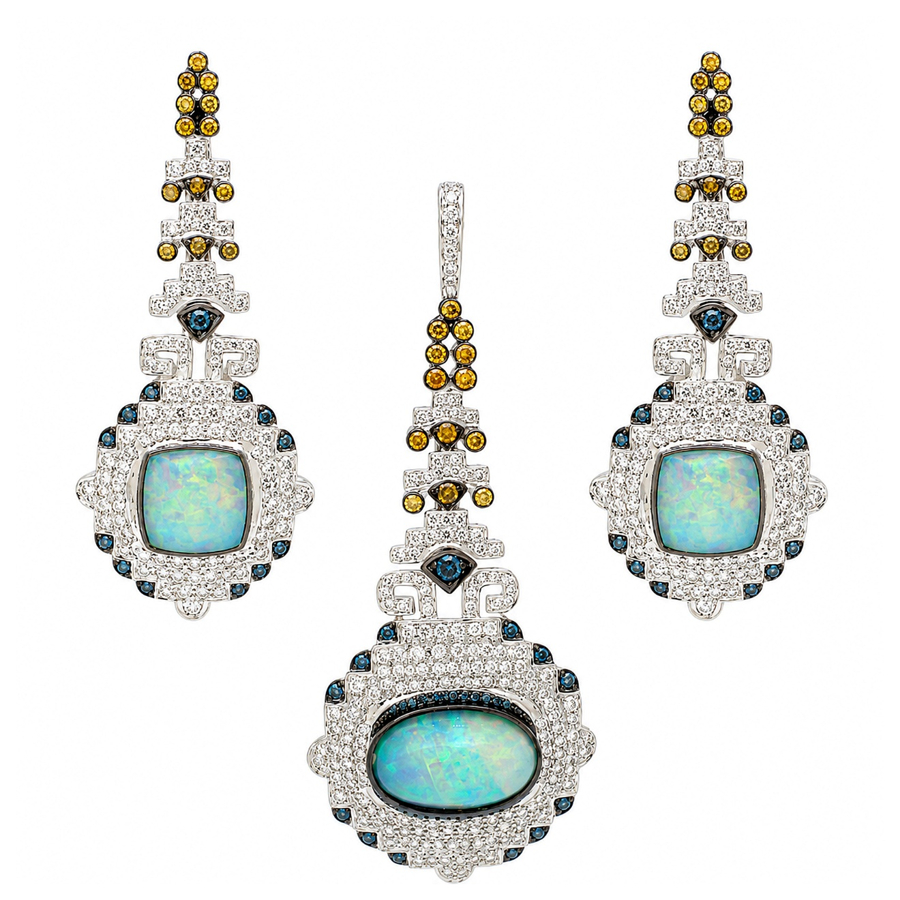
Many exhibitors revealed that their entire inventory was booked by Day 2 or 3 of the show. For instance, Samyak Lifestyles Ltd. said the Rainbow collection, featuring iridescent enamel lightweight bangle pairs weighing just 20 grams, was completely booked by the second day. Most of this collection is manufactured using laser-cutting and CNC technology. The brand’s titanium and gold bi-metal collection for men is designed for daily wear. The titanium rings were offered at a B2B retail price of around ₹8,000–10,000 using 9-karat gold. The collection performed extremely well, with the rings completely sold out.
Dfine Jewellery’s Tamanna Bhalala informed that they saw high demand for “Our modern hoops and rings crafted in 14-karat gold were adorned with invisibly set lab-grown rubies. Each piece takes about 20 days to realise. The workmanship was appreciated by buyers from Hong Kong, Bangkok, and Delhi among others,” she noted.
The emphasis on lightweight construction was particularly evident across several categories, with manufacturers finding new ways to reduce metal and diamond weight without compromising the visual impact of the jewellery.
Dilip Bhai Shah, Chairman, AKS Jewels, said, “Lightweight jewellery is seeing the strongest movement. All four of our new collections have received a very encouraging response, particularly because they are designed around accessible price points and everyday wearability. One of the biggest shifts we are seeing is in necklaces. Earlier, 4-ct haram were in demand, but today customers are looking at the 2-ct range. To achieve this without compromising on strength or finish, we have moved from conventional CAD towards direct casting, improved our alloying process, modified thicknesses and casting cycles, and upgraded to German machinery. These changes helped us to reduce metal weight while retaining the finesse, strength and visual impact of the jewellery. We are using AI only at the design stage for visualisation, mood boarding.”
“South India continues to be one of our strongest market, along with growing business in Maharashtra. We have also seen some new customers coming in at the show. A large part of our business is with corporates and chain stores, and increasingly, we are working with them through a co-creation model. Their input now comes in as early as the sketch stage, where they share their preferences and feedback. This allows us to develop specific projects for individual chains, saves time and helps us create designs that are much more closely aligned with what their customers are looking for.”
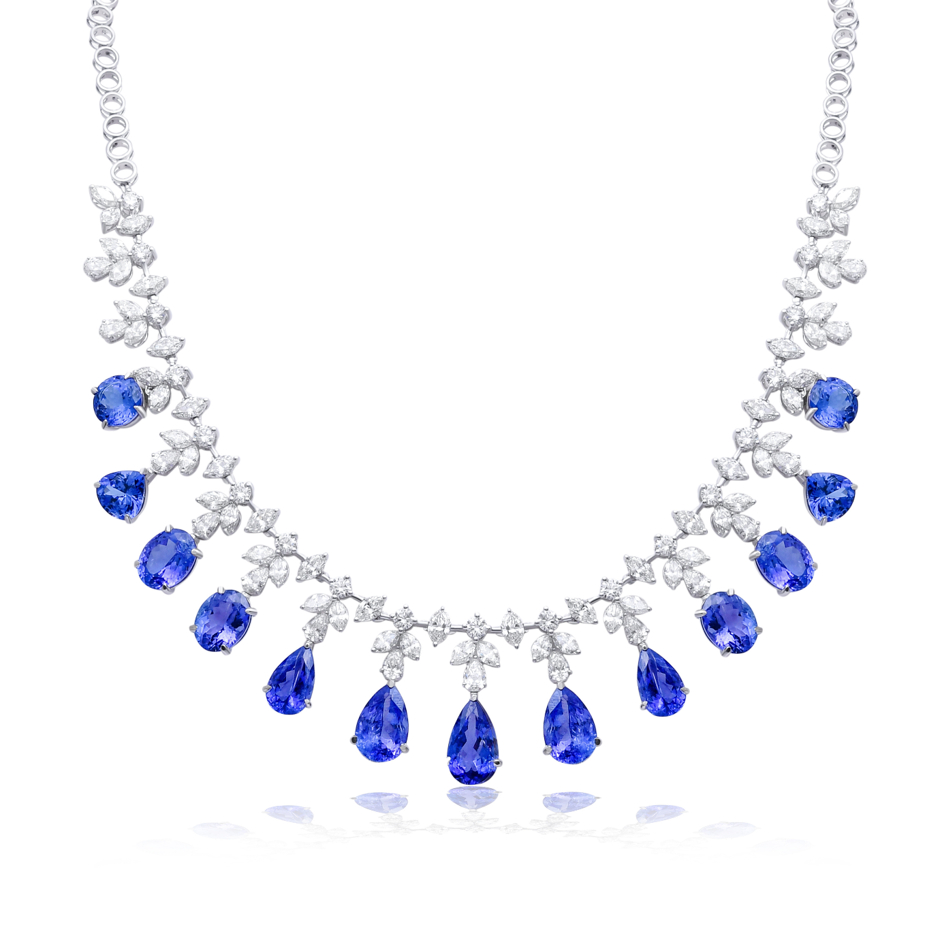
At the same time, traditional craftsmanship continued to find favour at the show, particularly when combined with contemporary silhouettes and more wearable proportions.
Amit Soni, Director, KIK Jewells, said the company’s handmade collection for grooms, comprising brooches, Bahubali bracelets and multilayered malas in 22- and 18-kt gold, received an excellent response. The lightweight collection featuring intricate filigree work that creates a distinctive 3D effect was equally well received. “We sold out our stock twice,” Soni revealed.
IIJS Bharat Premiere: Driving the Next Wave of Jewellery Trends
The world’s second-largest gem and jewellery exhibition, IIJS Bharat Premiere, has once again proved why it is regarded as the industry’s most reliable trend barometer. Every aisle echoed the changing aspirations of the modern buyer. From everyday luxury to statement bridal creations, exhibitors showcased design-led collections that seamlessly blended India’s renowned craftsmanship with cutting-edge manufacturing and technology. The mood was unmistakably contemporary: lighter, more versatile, colourful and expressive.
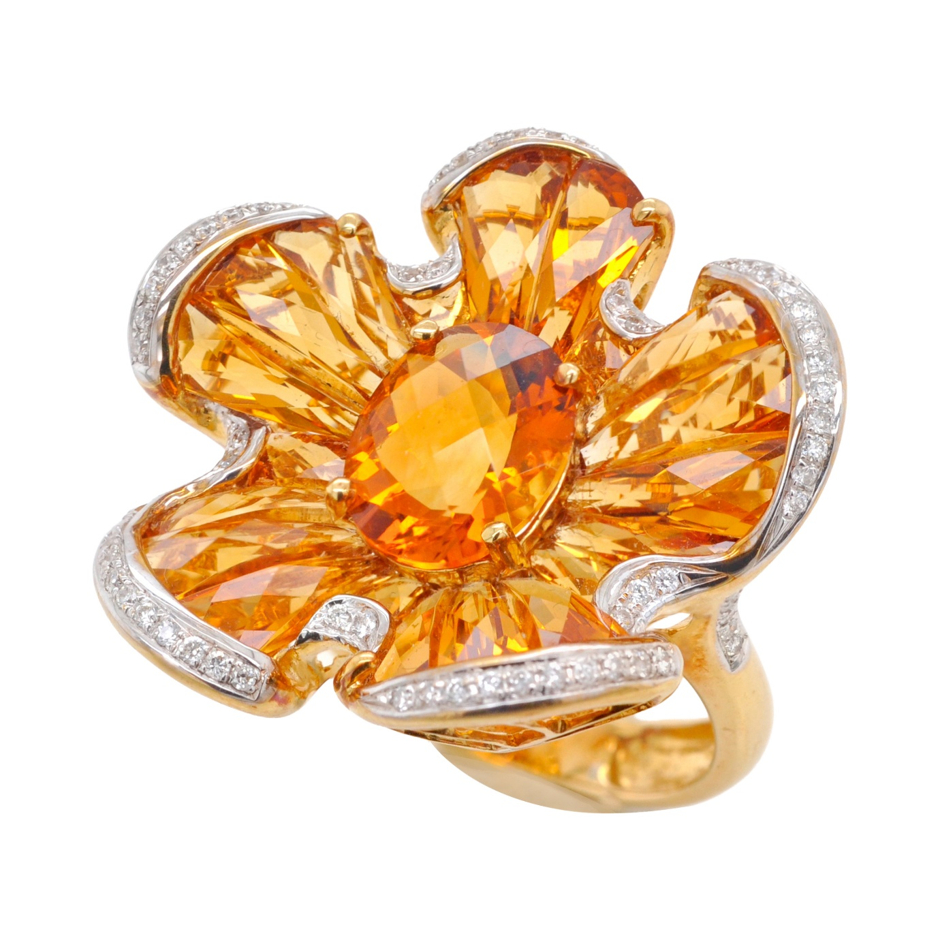
One trend stood out across categories—the shift towards lower metal karatage in diamond-studded jewellery, allowing brands to create lighter, more accessible pieces without compromising on aesthetics. Natural diamonds, uncut diamonds and rose-cut diamonds continued to lend character to collections, while coloured gemstones and fancy colour diamonds emerged as the stars of the season.
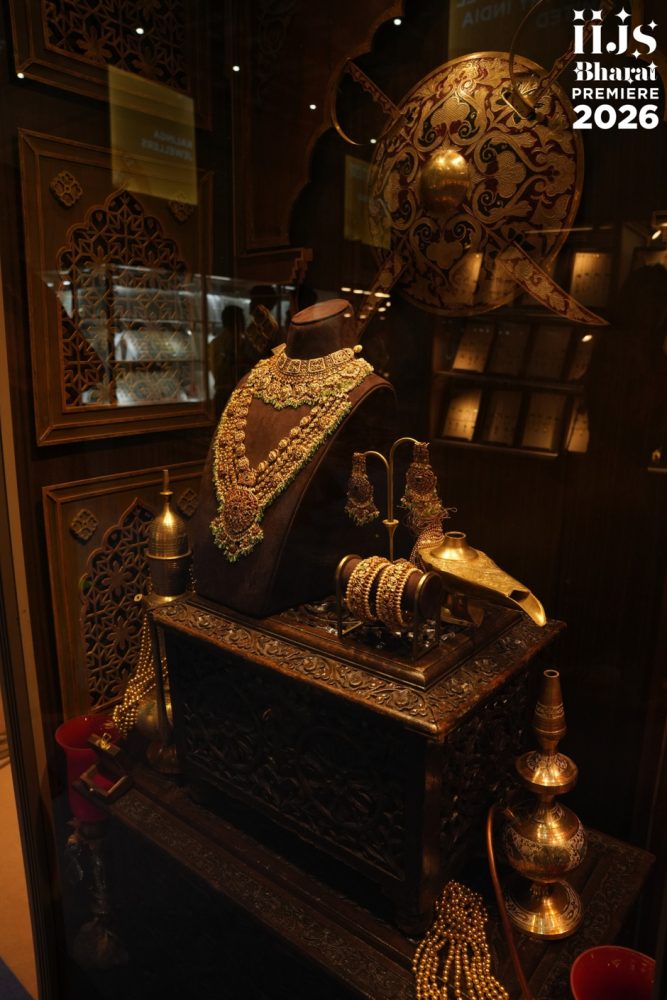
Light is Might
If there was one mantra resonating across the show floor, it was “Light is Might.” Designers embraced sleek silhouettes with slimmer bangles, ultra-light earrings, slider lariats, stackable necklaces and contemporary diamond accents. The emphasis was on jewellery that effortlessly transitions from workday chic to evening glamour.
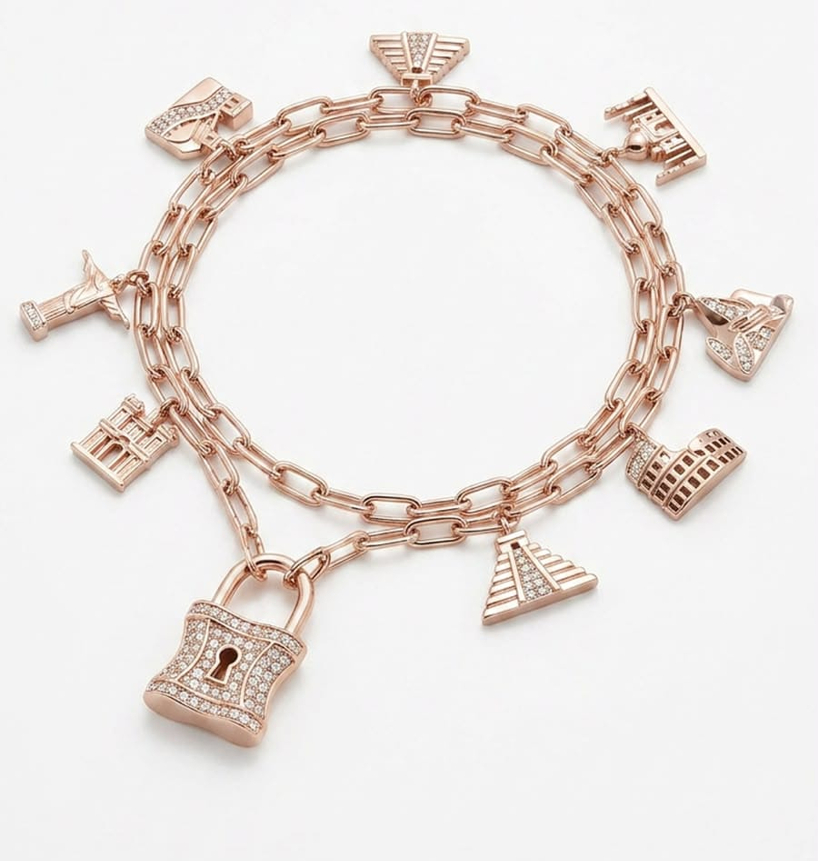
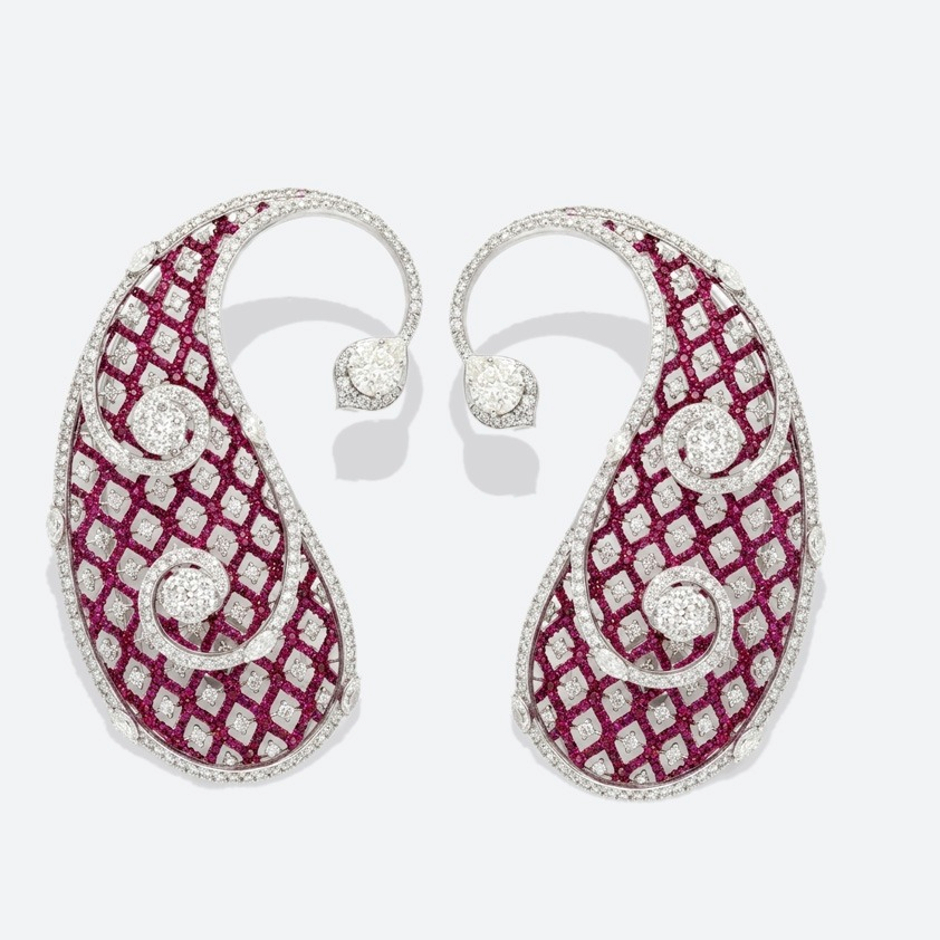
At Kosha Fine Jewels, smaller-ticket creations priced around ₹60,000 were snapped up quickly, while cocktail rings retailing between ₹1.5 lakh and ₹2.5 lakh also performed strongly. Surprisingly, one of the biggest winners of the show was the ear cuff, with premium designs priced up to ₹5 lakh finding enthusiastic buyers.
Innovation was equally in the spotlight. Gem Plaza unveiled its striking thermochromatic ceramic-enamelled bombe rings set with gemstones and diamonds. A simple rub changes the colour of the enamel, delighting buyers with an interactive design element. The collection generated strong orders from independent retailers as well as multi-store jewellery chains across India.
Colour continued to dominate conversations. Anan Jewels India reported robust demand for jewellery featuring fancy colour diamonds in larger sizes. “India is out to spend,” observed Ankita Jain, noting that buyers are embracing not only yellow diamonds but also pink, blue and green fancy colour diamonds across multiple price points.
Statement accessories are also making a bold comeback. Brooches are enjoying renewed popularity, while ear cuffs continue to attract younger consumers looking for fashion-forward styling. The quirkier the design, the greater the interest.
Versatility remains a key purchase driver. Vama Fine Jewels received an excellent response for its stackable bangles featuring channel-set coloured gemstones and convertible chokers that transform into bracelets—pieces designed to offer maximum styling flexibility.
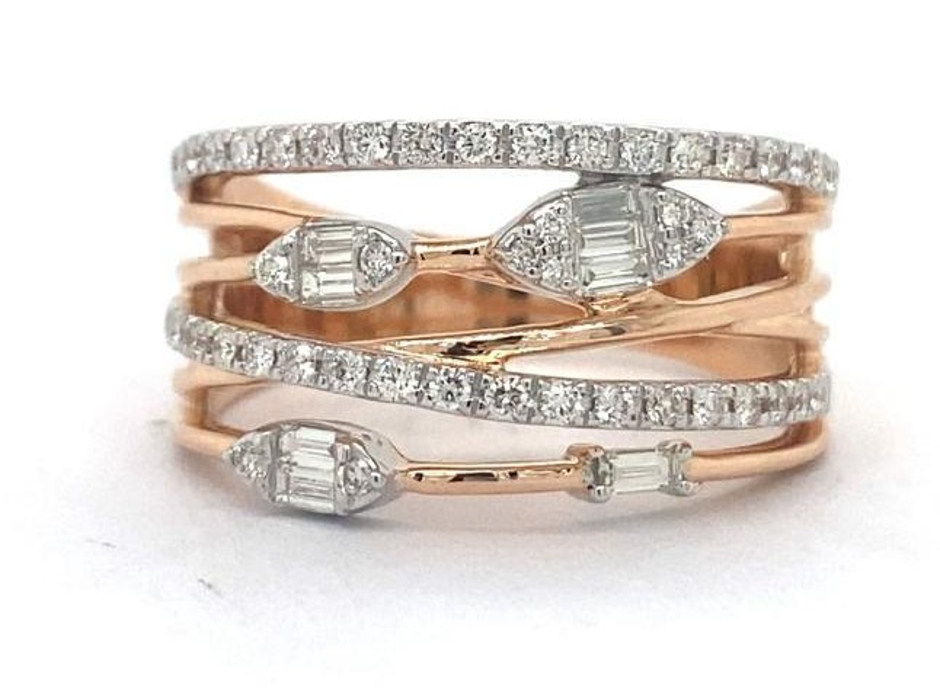
Meanwhile, Exquisite Fine Jewellery reported exceptional demand for contemporary bauble rings, elegant earrings and refined necklaces. The brand also highlighted the growing popularity of combining yellow and white gold in a single piece, reflecting consumers’ preference for modern, mixed-metal aesthetics.
From lightweight luxury and convertible creations to colourful gemstones, innovative materials and expressive designs, IIJS Bharat Premiere reaffirmed its position as the exhibition where trends are not merely displayed—they are born. As retailers place orders that will fill showcases across India and international markets, the message from the show floor is clear: jewellery is becoming lighter, smarter, more versatile.