
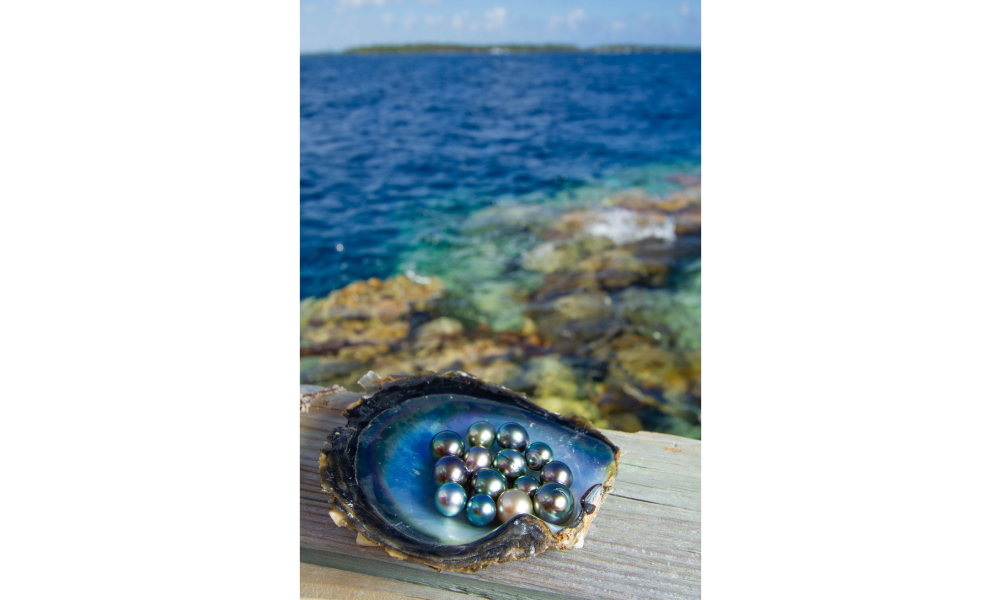
Grown by the black-lipped oyster in the lagoons of French Polynesia, Tahitian pearls offer a wide range of colours — from pink, blue, green, to even golden. They come in nearly every shade except orange. But colour is just one measure of an exquisite pearl. It must also have lustre, a clean, unblemished surface, and must be large enough to stand out, since small pearls are plentiful. A pearl that meets all four criteria is exceptionally rare. Tahitian pearls offer all of that.
For Kamoka Pearls, a Tahiti-based pearl farm, the beauty of the pearl is only half the story; the other half are the advantages that farming brings to the ecology of the lagoon. From Tahiti, Co-owner of Kamoka Pearls, Josh Humbert explains in an interview with Shilpa Dhamija — why such a balance is important for pearls to be considered true luxury.
How do you define luxury pearls from Tahiti?
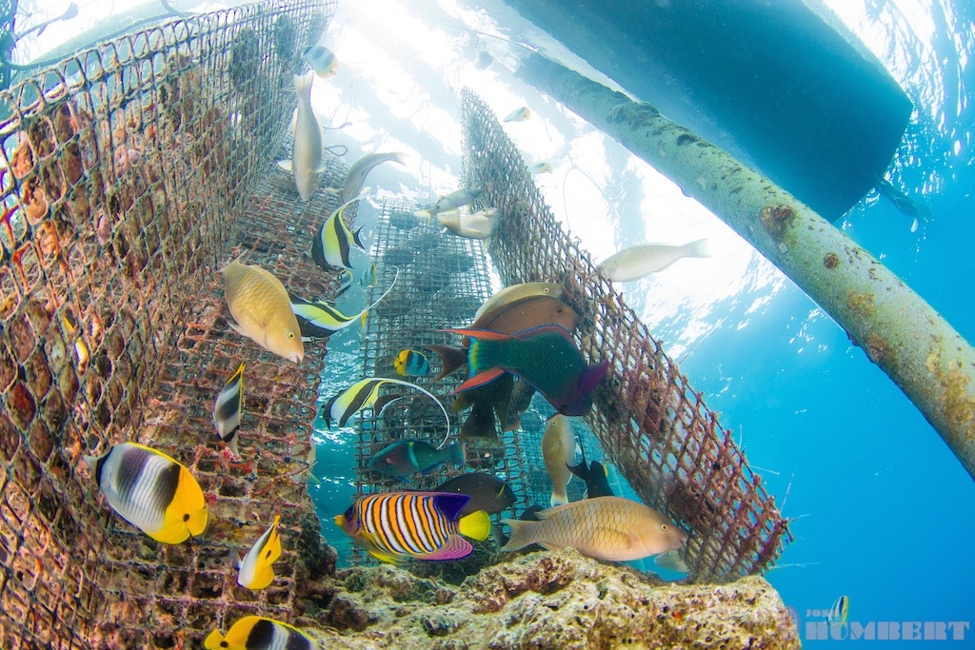
Pearls are absolute luxury. It’s one of the very few cases in which a luxury item has a story you can actually feel good about. They come from the ocean, and our work increases biodiversity, strengthens the reef ecosystems, and results in more fish and more wild oysters.

What makes a Tahitian pearl exceptional ?
An exceptional Tahitian pearl has four characteristics. The first is lustre, meaning how shiny it is. The second is colour. What’s so fun about Tahitian pearls is that they come in a multitude of colours. The third is an exceptionally clean surface, with no pits or spotting. The fourth is the large size. There are lots of small pearls, so that’s not exceptional, but a large pearl with colour, lustre, and an exceptionally clean skin is rare and exceptional.
Meanwhile, Australian pearls are typically found in silver and gold hues. Japanese Akoya pearls also occur in different colours, but white is traditionally prized in Japan, and the pearls are often bleached to achieve a whiter appearance.
The main variable is the species of oyster that you’re working with. In Tahiti, we have the black-lipped pearl oyster, which makes Tahitian pearls. There’s also a close cousin in Baja California, Mexico, with more pastel tones. The geographical distribution is broad, but for some reason it’s only heavily farmed here in Tahiti.
How are ecological and climate changes impacting pearl farming in Tahiti?
In some places the ocean is warming and rising, and in others it isn’t. Some parts of French Polynesia show increases and others show decreases. Where we are based, there’s no significant rise or decline in ocean levels.
This year was supposed to bring the strongest El Niño on record. It should be almost summer here, yet Tahiti is experiencing the coldest temperatures I can remember at this time of year. I’m not a climate denier, but scientists monitoring French Polynesia haven’t recorded the same shifts seen elsewhere. Besides, we’re in one of the most remote places on the planet.
What steps do you take to protect the lagoon?
Kamoka Pearl farm is based on Ahe, an atoll in the Tuamotu Archipelago, 300 miles northeast of Tahiti. A ring of coral rising just a few feet above sea level, Ahe encircles a 75-square-mile lagoon.
We have consolidated local pearl farmers in the region to ban the use of pressure washers for cleaning oysters. While efficient, pressure washing shreds soft corals, anemones, and ascidians, these can regenerate into new individuals, causing population explosions that outcompete oysters for substrate.
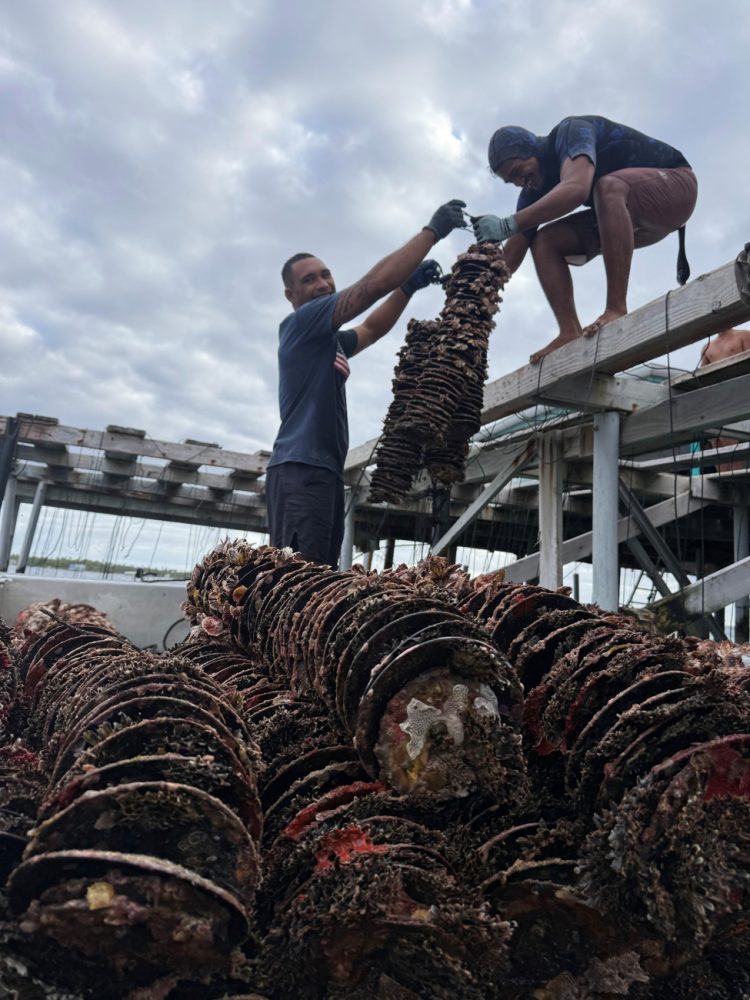
Instead, we rely on natural wild collecting by placing dark, protective ‘collectors’ in the water during spawning season. Free-swimming planktonic oysters settle on these supports at three weeks old.
This traditional Polynesian method avoids the genetic pitfalls associated with hatchery breeding seen in Japan, where low pathogen resistance has led to significant die-offs. By farming native, wild-caught stock, we preserve strong genetic diversity and maintain a healthy, functioning lagoon ecosystem.
How do you manage the financial risks of pearl farming when harvests take years and their quality and quantity remain uncertain?
It’s tough. In the early years we had to sell off our ‘babies’ so they could be seeded by other farmers, because we didn’t have the means to seed our own oysters. There was a time when we nearly went out of business, but in the last few years we’ve leaned heavily into our marketing and established a brand – Kamoka Pearl. We’ve done very well on social media, and that has enabled us to sell our product all over the world. Currently, we have over 1.4 million followers on Instagram.
How would you describe the market for Tahitian pearls, and how does Kamoka reach out to its customers?
The market for Tahitian pearls is excellent for us. We see a large market with little direct competition because no one else is doing quite what we are doing or telling the story of Tahitian pearls in the same way.
Our biggest market is the United States, followed by Canada. Much of our marketing expenditure is directed at the US. We sell exclusively online and do not participate in trade shows or exhibitions.
For most pearl farmers, however, the market is vastly different. They have to take their harvest to Papeete, which is the capital of French Polynesia. They have to negotiate with buyers who want to pay the lowest possible price. Prices fluctuate with demand, and some farmers nearly only break even. That is why we moved into retail and built our own business, allowing us to bypass that part of the supply chain and sell directly to the end customer. It took us around 15 years to build the business.