
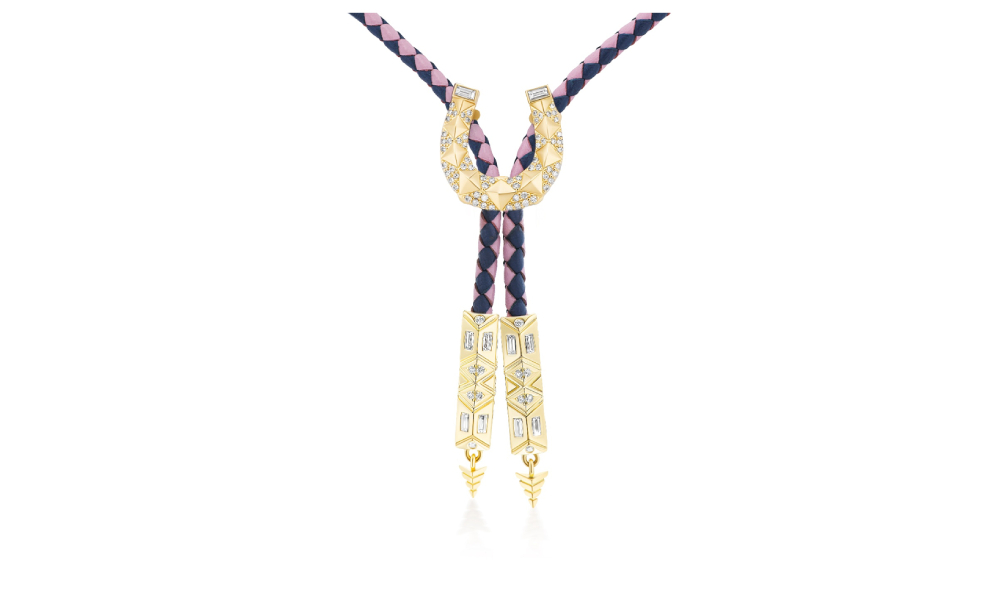
Gold prices have doubled. Fabrication costs have followed. And yet the American appetite for natural diamonds has not dimmed — it has simply grown more deliberate. From independent designers to retail floors, the market is telling a consistent story: clients are buying less, spending more, and demanding pieces that earn their place in a daily jewellery practice. Here’s the first in our three-part series of exclusive reports.
The American fine jewellery market in 2026, according to industry experts, is in reset mode. With gold prices roughly doubling in under two years and consumer priorities firmly reordered, the signals are clear: what sells in America today, at what price, and why, is being shaped by the client who wants individuality, great design and a piece with a story worth telling. Versatility is central to purchase decisions, share retailers. Across designers, sales and brand strategy consultants, retailers and manufacturers, the picture that has emerged is one of a market operating with greater care at every level.
Clients are buying less frequently but spending more thoughtfully — and retailers are curating their assortments with corresponding precision. Natural diamonds, far from losing ground, are finding greater relevance: not as symbols of occasion, but as the foundation of daily wearables built around meaning, versatility and lasting value. Meanwhile, coloured stones, woven into that same conversation, are quickly becoming some of the strongest sellers on the retail floor.
Everyday Diamond
The shift in how Americans wear diamonds may be the most consequential change of the past five years. Tara Florey, sales consultant for Goshwara, has spent more than two decades in the industry and has not seen anything quite like it. “People are no longer waiting for a special occasion — they are celebrating themselves and embracing the idea of indulging in jewellery simply because they love it,” she says. The emotional bond between client and piece, she adds, has never been stronger.
The tennis necklace is her touchstone example: once a formal-moments piece, it is now an everyday essential, styled with denim as well as with evening wear. Versatility, Tara notes, is key, with clients gravitating towards pieces that layer and stack building a personal look that transitions easily whether someone is “at school pickup, going to a hockey game, out to dinner, or attending a fabulous event.”
That sensibility is confirmed across the market. Rachael Nov, founder of retail destination Gin & The Banker, puts it plainly: “Clients are gravitating towards pieces they can wear effortlessly every day rather than reserving diamonds for special occasions.” Diamond bracelets — particularly tennis and line styles — delicate layering necklaces and stackable diamond bands are moving quickly at her Bellevue, Washington-based store. One of the most telling trends Rachael is witnessing is the rise of bespoke work. Her clients are bringing in diamonds they already own and collaborating with one of her designers to rework them into something new. “It’s a meaningful way to honour the story behind those stones while creating a piece that fits their life today,” she adds.
Mindi Mond, whose New York brand is known for substantial, diamond-forward designs, highlights what statement jewellery means in this context.
“Our pieces are substantial, but they’re designed to be worn and enjoyed in everyday life,” she says. A 9-carat old European cut diamond bar necklace in her collection is designed to layer or wear long — equally at home with a white shirt at lunch as at an evening event. The Clarity Collection, her most universally wearable line, follows a familiar client journey. “Clients often start with one piece, usually a ring, and then go on to add a bangle or a pair of earrings over time.” The pieces mix easily with existing jewellery across gold colours, and the appetite for natural diamond pieces that feel meaningful and well-made remains sustained. “When beautiful stones and thoughtful design come together, clients respond immediately,” adds the designer.
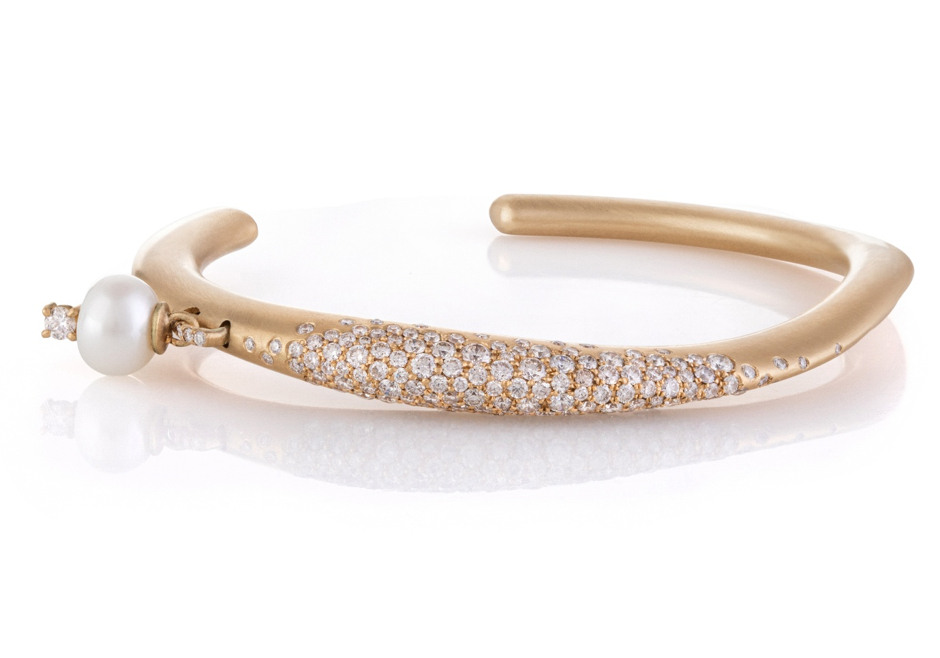
At Reinhold in Puerto Rico, the Group’s Chief Operating Officer & Vice-President of Sales and Marketing, Mildred Marcano Abrams has observed the same evolution since the pandemic — a sustained increase in demand for natural diamond pieces that clients can wear daily, particularly strong across bracelets, pendants and chokers. “Versatile jewellery is something they can wear every day and easily mix with what they already own — they can wear it both during the day and at night,” says Mildred. Classic styles continue to sell, but a growing segment of clients is actively seeking something distinctive, even within an all-diamond brief.
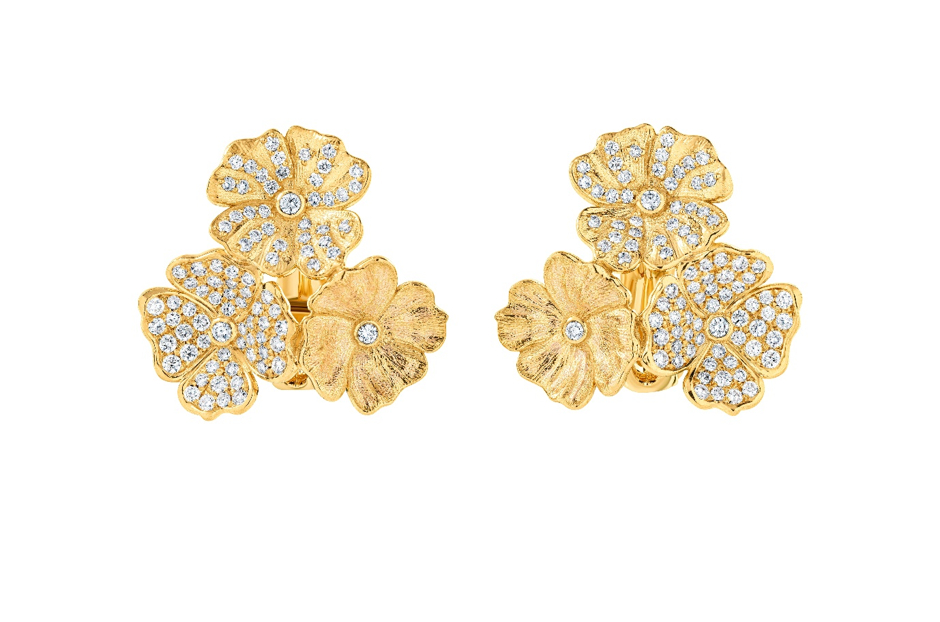
The motivation has shifted. “Today, they don’t just buy something because it looks nice, but because it represents something or speaks to a special moment.” Even better, if they can wear it alongside pieces they own, she points out.
Necklaces & Earrings Lead
Necklaces and earrings have emerged as the most consistently strong performing categories. Lauren Abend, Co-Founder and Sales Director of Mega Mega Projects in New York, is unequivocal: “Diamonds offer a classic, neutral look that will go with any outfit — and people know they can withstand rough handling – shower, swim, work out, it won’t affect their sparkle.”
Tara of Goshwara observes that earrings are the category women return to most frequently to change up their look. Forward-facing styles are consistently flattering and directional. Weight, she notes, is always a factor — pieces that are too long or too heavy lose appeal regardless of design quality or price.
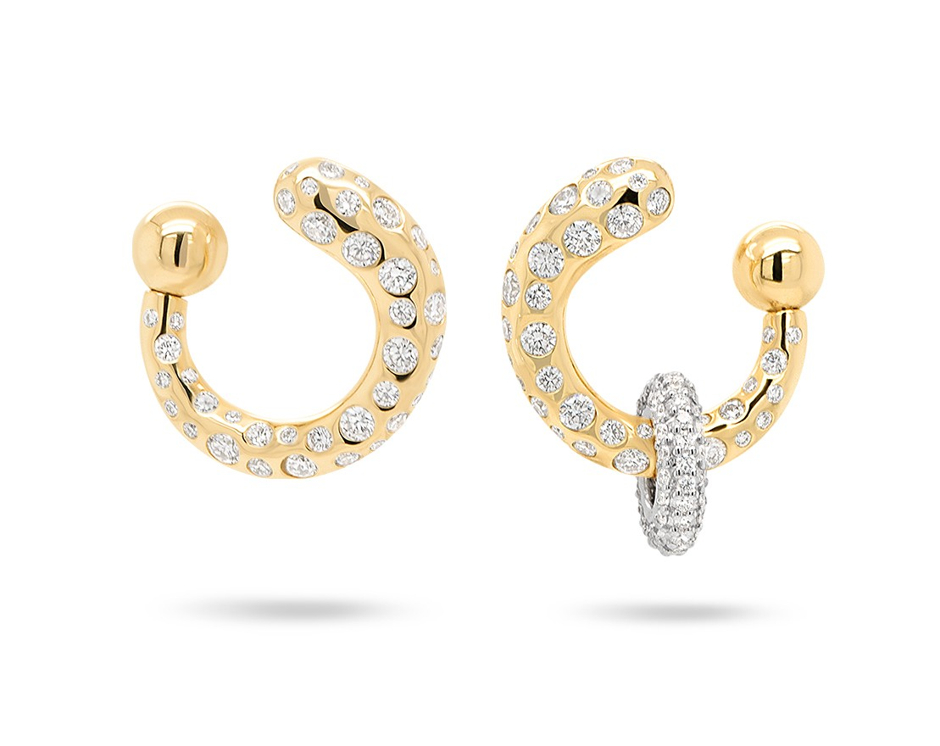
Hoops remain one of the most confident buys across the market. Morgan Amelia Miller, Co-Founder of In Good Company in New York, notes that well-proportioned diamond huggies are particularly strong and ear cuffs have evolved from trend-forward to a considered expression of personalisation. “Layering and individualising diamond jewellery is not going anywhere… It has become an expression of personal style.” Single earrings designed to be mixed and matched are also performing well, feeding into a broader client desire to build a curated, individual look over time.
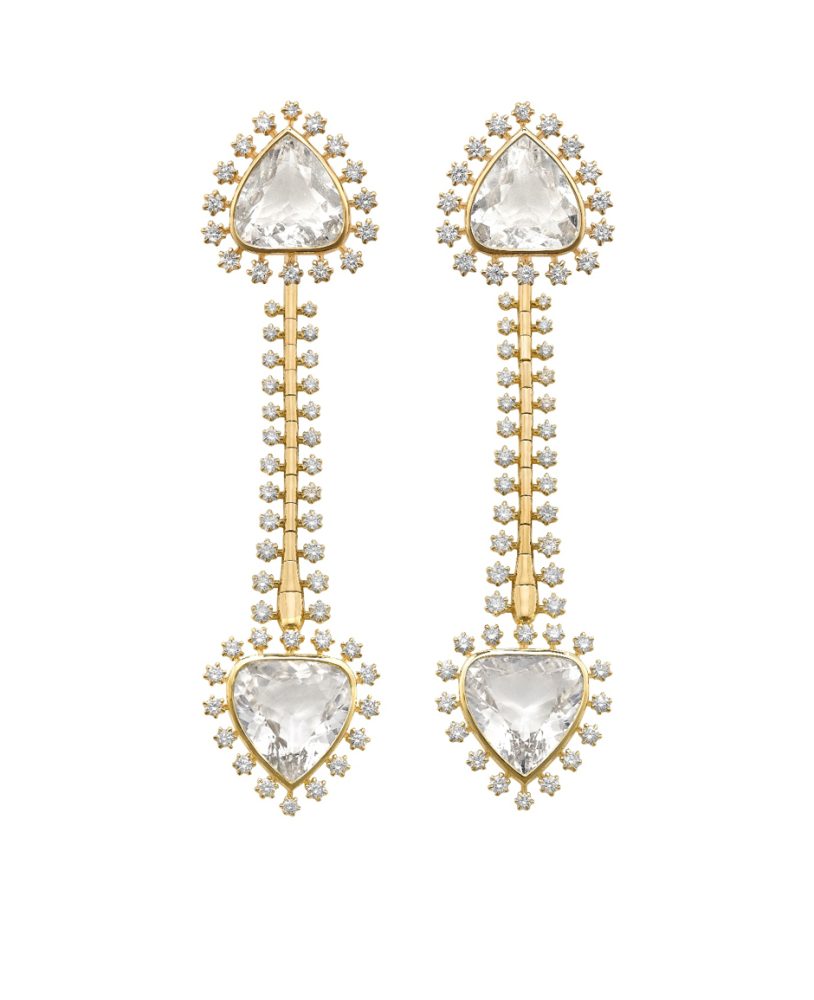
Creative Director of Robinson Pelham, a fine jewellery brand in London, Vanessa Chilton points to versatility as the driving force behind the house’s strongest performers. The Daystar collection in rock crystal with a diamond-set spoke surround delivers a high-impact diamond look at a more accessible price.
The Tsar Star earrings, pavé-set and light enough to wear overnight, shift from stud to long earring. “Versatile statement pieces are part of our brand DNA,” adds Vanessa. The brand’s sweet spot sits between $5,000 and $20,000, with entry level diamond pieces such as the Mini Daystars beginning at $3,500. Gold pieces accented with smaller diamonds, coloured stones and enamel, including the Arena ring collection and the articulated Jupe necklaces, are consistently among the bestsellers.
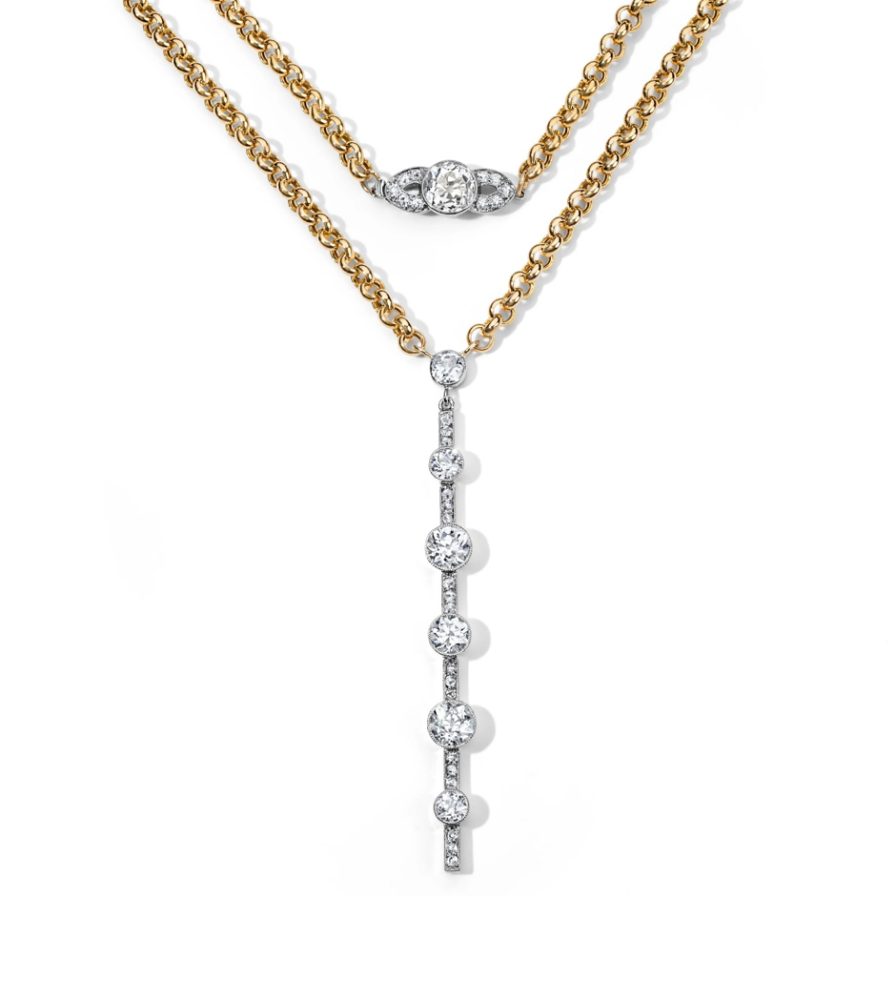
In the neckwear category, structured chokers, torques and collar silhouettes are resonating strongly alongside classic rivière styles. Morgan cites Parisian brand Ashaha’s Shiraz collar as a strong example of diamond presence delivered in a way that feels “refined and directional” without veering into the overly formal.
Los Angeles brand Maor’s Orion necklace, shares Morgan, reinterprets full pavé in a sculptural way — reading almost like a modern tennis necklace, but with dimension and edge, which makes it feel current while also remaining grounded in a recognisable diamond format. Tennis bracelets and classic rivière necklaces continue to perform, with the shift lying not in the format itself but in how brands are choosing to express it.
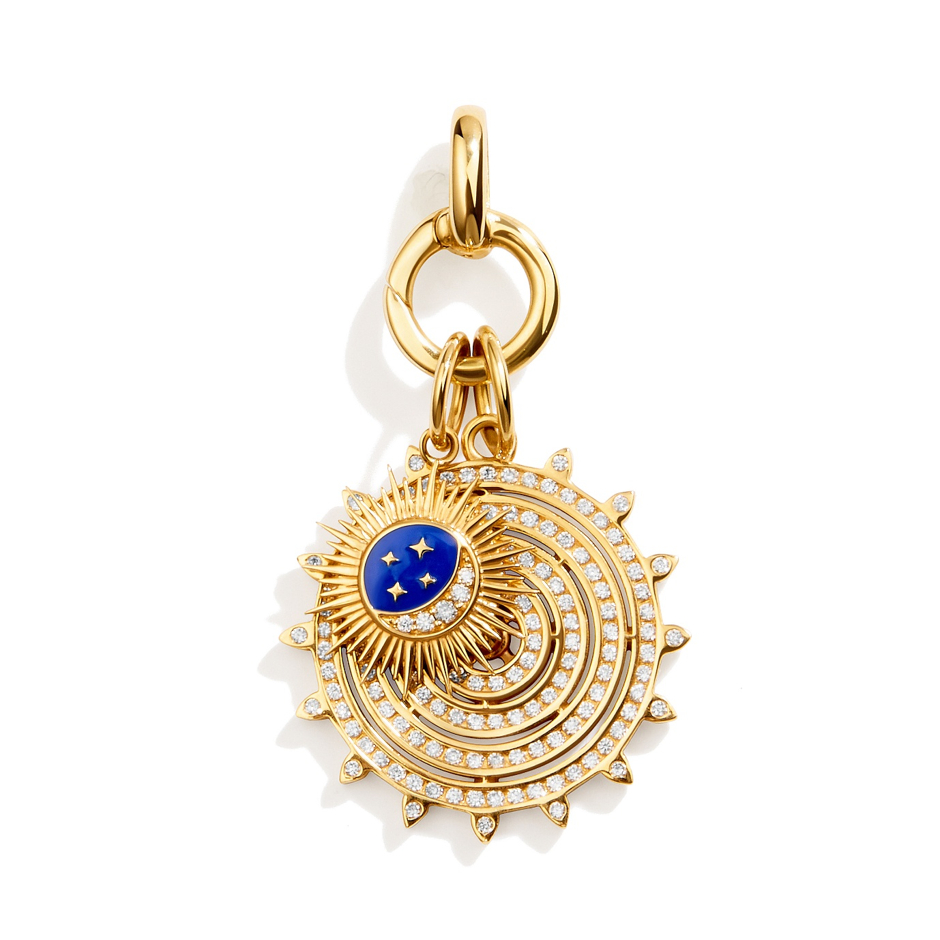
Namrata and Dharmesh Kothari, Co-founders of New York brand Syna, note the strongest US response, this year, has been to diamond-accented necklaces featuring the brand’s signature cabochon drops and domes in\ 18-karat yellow gold. “Natural diamonds are used with precision — not for excess, but to illuminate the inner glow of our exotic gemstones and reinforce sculptural balance,” says Dharmesh. “The preference is clear: enduring proportion, quiet radiance, and pieces designed to be lived in rather than reserved for occasion.”
(To be continued)