
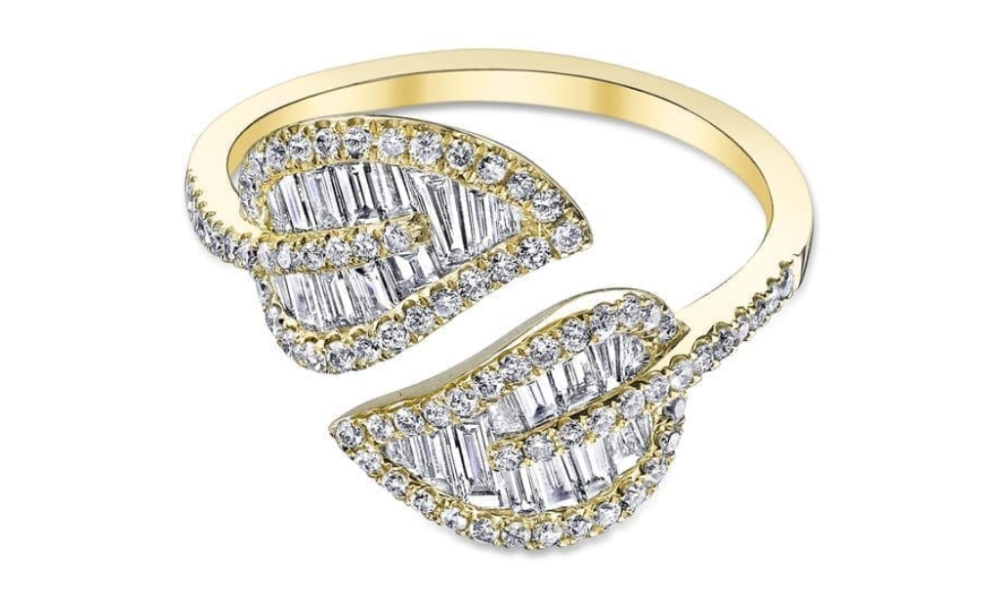
As the final instalment in the series on US diamond demand by Smitha Sadanandan, this article brings the numbers, pricing shifts and changing consumer priorities into focus. The takeaway is clear: buyers may be buying fewer pieces, but they are willing to spend more when design, meaning and value come together.
Price Reality
The numbers tell a clear and consistent story across every source. David Hakimian, Founder of DEH Jewelry Solutions and Co-Founder of In Good Company, maps the shift. Fabrication costs for certain pieces have risen by as much as 100% year-over-year, he shares.
Brands and retailers are absorbing as much of that pressure as possible, but there are limits, he concurs. Over the past decade, David personally considered $2,500 and below to be an accessible price point for a substantial designer piece. “However, two years ago, that threshold moved closer to $3,000. Looking ahead to 2026, it’s clear that the starting price for a meaningful designer fine jewellery piece is now $5,000 or more.”
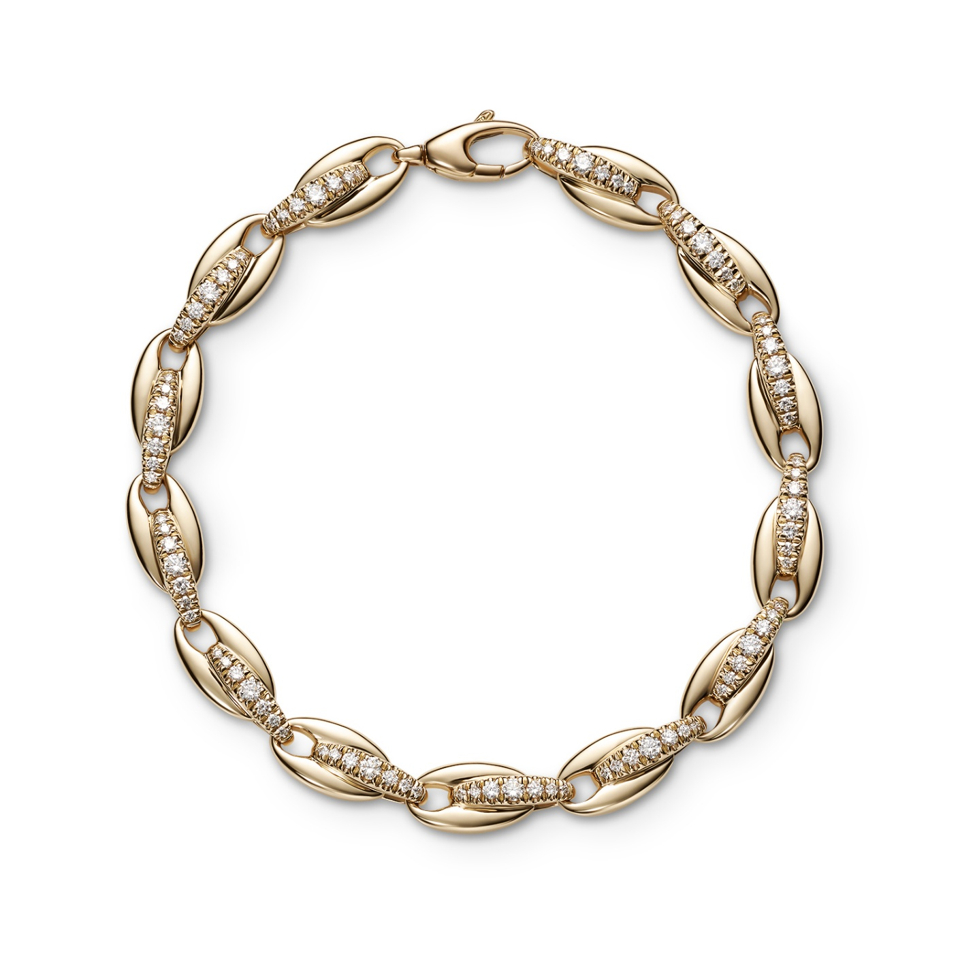
Across the brands DEH represents, the average selling price has more than doubled over the past two years. Many are now designing increasingly into higher price tiers. Growth at the upper end is significant. “We’ve experienced significant growth in higher-priced sales, particularly pieces priced at $20,000 and above.”
The explanation, he proffers, is two-fold: consumers purchasing more intentionally — one or two meaningful pieces per year rather than four or five incremental ones— or strength among buyers who are simply less price sensitive.
Tara Florey, sales consultant for Goshwara, has seen the same movement in her own network. Average spend per piece has risen sharply. “It used to be around $4,500. Now it’s $8,000 to $10,000.” Reinhold’s COO & VP of Sales and Marketing, Mildred Marcano Abrams places the best-performing natural diamond range — bracelets, pendants and chokers — at Reinhold between $6,000 and $20,000, noting that tariffs and the growing presence of lab-grown alternatives have made clients more strategic. “Customers want to feel that their investment is worthwhile.”
The $1,500 to $5,000 band — traditionally the engine of volume in accessible luxury — is tightening. Pendant and chain styles, diamond studs and hoops that once fell comfortably within that range are increasingly difficult to source. “Retailers are definitely looking to refill that offering from new designers,” shares Lauren.
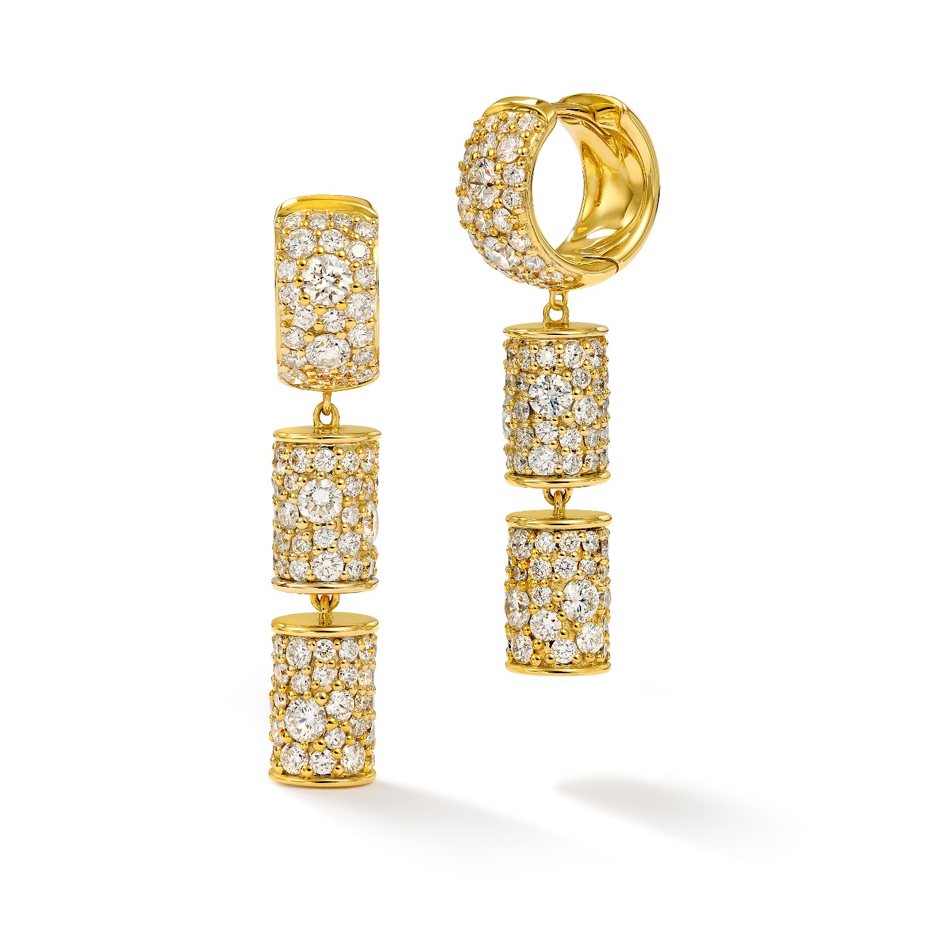
Darlyn-Feythe Valentine, founder of L. Woods PR, a Los Angeles-based agency specialising in brand development, identifies two pressures she is hearing consistently from designers: the industry’s growing preference for consignment and the compounding impact of sustained price increases, both of which are falling most heavily on emerging brands.
The shift towards consignment is creating a structural problem. Retailers are reluctant to commit to brands they cannot reasonably expect to sell through each quarter, placing a disproportionate burden on newer names who must place collections across multiple stores without upfront payment — and with no guarantee of return. “How can one create a wide variety of inventory when the majority of stores only want to consign? It definitely has created an unfortunate financial conundrum for many brands,” shares Darlyn-Feythe.
Rachael Nov, Founder of retail destination Gin & The Banker, says the current sweet spot for jewellery sales is $2,000 to $8,000, but the average spend, she notes, has risen and sales cycles have lengthened. “The design itself can’t be compromised, so if the carat weight needs to change, the stone might change instead.” It is a more considered process, but one that produces a more committed client.
Francesca Simons, Founder of Francesca Simons Consulting in New York, who has nearly two decades of experience in the jewellery industry, points out that “accessible luxury and premium mid-price points are driving stronger growth and higher purchase frequency, particularly among aspirational consumers.” At the same time, higher-value pieces remain essential for margin, brand equity, and long-term client development, she adds. The approach, which works best according to her, is a disciplined assortment — accessible entry points to fuel engagement and frequency, alongside elevated investment pieces that reinforce positioning and exclusivity. Spinelli Kilcollin, she notes, is a strong example and efficiently bridges entry-level and high-value pieces within a cohesive design language.
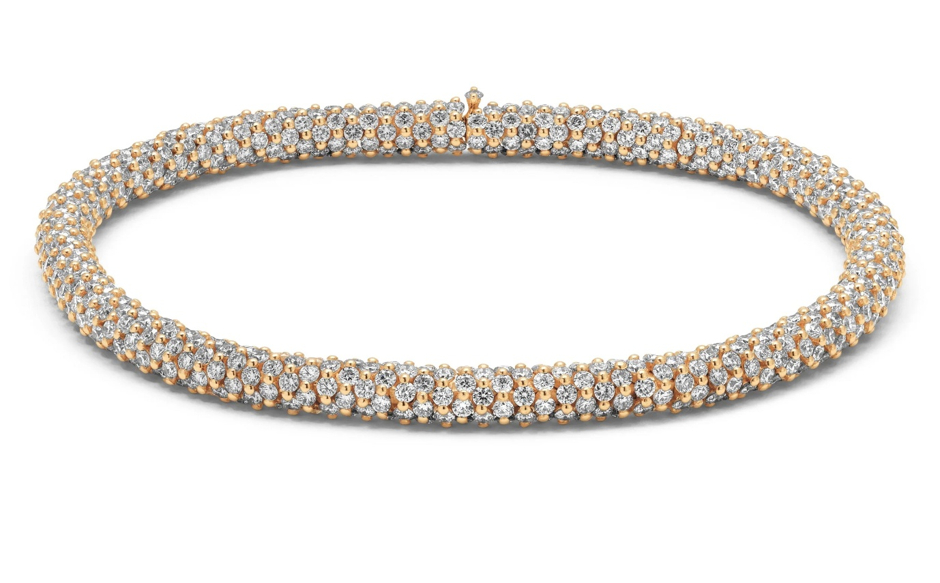
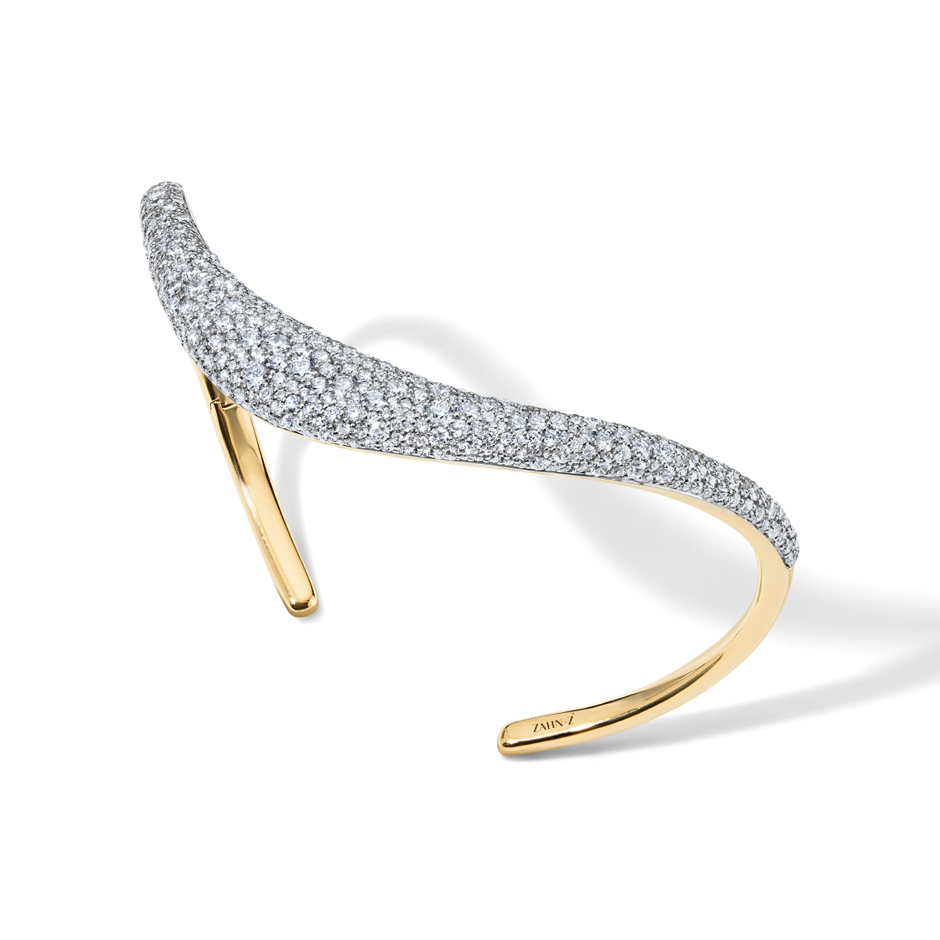
At the elevated end, Morgan Amelia Miller, Co-Founder of In Good Company in New York, points to pieces that communicate longevity through substantial gold weight and meaningful stone presence. Maor’s Ondra bracelet, set with 360 diamonds, “captures diamond presence in a way that still feels incredibly wearable — the kind of piece you could wear with a white T-shirt and jeans, or take all the way to black tie.” The Ouzna choker by Ashaha — nearly 53 grams of gold set with diamonds — “has that beautiful balance where the gold carries real presence while the diamonds bring just enough light to animate the piece.”
Co-founder of Syna, Dharmesh Kothari notes that price is secondary to resonance. “There is pronounced strength in our higher-value and limited-edition creations, where rarity and refined execution define desirability.”
The New Standard
What unites every perspective in this market is a single principle: intention.
On pricing, global supply chain disruptions have compounded the rise in gold costs, pushing wholesale and retail prices upward, observes a pragmatic Darlyn-Feythe: “Consider design alterations, introduce opening price point pieces, reduce gold weight where possible, and invest in brand visibility,” she adds. “The regular jewellery lover likes to shop for styles they’ve heard of or are trending. Get your name out there.”
Whether the piece retails at $3,500 or $35,000, clients and retailers are no longer satisfied with jewellery that is merely attractive, stresses Morgan.
“They are looking for diamonds integrated into a strong design language that gives the customer a reason to choose that piece over another.”
Mildred articulates what that reason increasingly looks like. Brand storytelling has become a meaningful factor in purchase decisions, particularly where designer pieces form the core of the retail offer.
Reflecting on the broader 2026 outlook with characteristic directness, Rachael notes that “often in times like these, people turn to what brings them joy. What matters most is the connection the client feels to it.”
DEH’s founder offers perhaps the most measured industry-wide view. “The market isn’t contracting — it’s evolving,” he says. The lower-priced tier has become more of a merchandising tool than a sales foundation, observes David, and brands are adjusting their strategies accordingly — designing upward, editing their assortments, and catering to a client who has grown more considered in how and why the client buys. The pieces carrying the market ahead are those with presence, with weight, with a design logic the client can feel and return to. Natural diamonds, set with intention into meaningful gold designs are doing exactly that.