
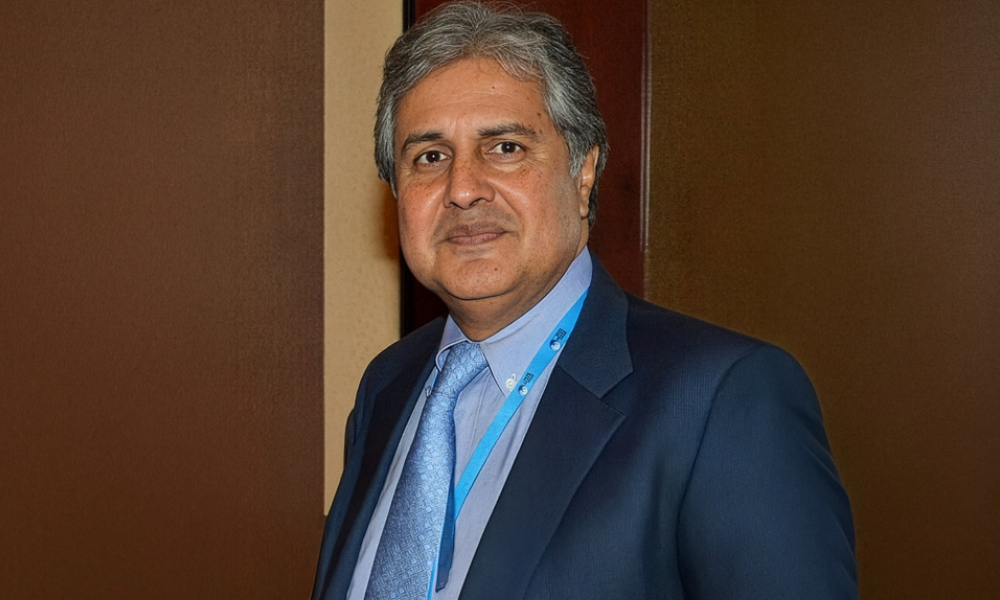
Production cuts have restored balance, larger diamonds are leading the recovery, and India could become the industry’s biggest growth engine. Anoop Mehta, Convenor – Diamond Panel, Gem & Jewellery Export Promotion Council (GJEPC), and Chairman & Managing Director, Mohit Diamonds Pvt. Ltd., explains why the worst may be over, but why the next phase will depend on disciplined supply, stronger consumer demand and sustained generic promotion for natural diamonds.
After three difficult years, are natural diamonds finally approaching a turning point?
We began seeing encouraging signs as early as January. Production and supply had both come down, bringing the market into much better balance.
The conflict in the Middle East temporarily disrupted that recovery, but jewellery demand remained surprisingly resilient, with only a marginal impact in the region. Now that tensions have eased, the market is once again moving in a clearer direction.
I don’t expect galloping price increases or an immediate surge in demand because China remains subdued. However, most other markets have stabilised. We’ve already seen prices improve in larger diamonds, while smaller goods have held steady. Overall, this year should be better than last year, and I expect further improvement next year.
Mining companies have reduced production significantly. Has the industry accepted that the future will be smaller in volume?
The diamond manufacturing and trading business has certainly become leaner. Many companies have exited while others have diversified into jewellery manufacturing.
Jewellery, however, tells a different story. That segment continues to grow because manufacturers today have multiple product categories to work with, including natural diamonds, lab-grown diamonds, coloured gemstones and gold.
Luxury jewellery continues to perform well. Earlier, rising gold prices reduced diamond content in jewellery. Now that gold prices have corrected from their highs, manufacturers have more flexibility to increase diamond content or upgrade to better-quality stones.
Manufacturers have shifted towards larger diamonds. Is this a permanent structural change?
Not necessarily.
The shift was driven largely by oversupply and weaker demand for smaller goods rather than a permanent loss of relevance. Manufacturers have moved towards larger sizes and better qualities, but we’re already seeing renewed movement in categories that had remained slow for some time, including brown and lighter-coloured diamonds.
The bigger challenge has been inventory. During the past three years, manufacturers were selling only about 30-40% of what they produced. That has improved to around 45-50%, but the industry really needs sell-through levels closer to 70-75% before conditions can be considered healthy again.
Many in the trade believe small natural diamonds have permanently lost ground to lab-grown diamonds. Do you agree?
No.
The weakness in smaller diamonds was caused by an imbalance between supply and demand. Production simply exceeded consumption.
Major suppliers have already reduced production of smaller goods and inventories should gradually return to normal. The import data already reflects this. Both carat volumes and values have declined, indicating that supply is tightening.
Once inventories normalise, I believe this segment will stabilise.
Which categories currently offer the strongest opportunities?
At present, diamonds of 30 points and above are performing the best, particularly fancy shapes. That trend is visible across global markets.
China remains quiet. Which markets do you believe will drive future growth?
If lasting peace returns to the Middle East, countries such as Iran, Iraq, Syria and Lebanon have tremendous long-term potential. These are sizeable populations where years of instability have limited jewellery consumption. As those economies stabilise, demand for diamond jewellery should naturally increase.
How important is India to the industry’s long-term outlook?
India is one of the most important long-term opportunities for the global diamond industry. The country’s economic growth story remains intact, even though there will always be short-term fluctuations.
The biggest opportunity lies in converting consumers who traditionally buy only gold jewellery into buyers of diamond jewellery. As incomes rise, jewellery consumption evolves, and India still has enormous headroom for growth.
What should the industry’s generic promotion focus on?
It needs to remain completely generic.
The purpose should simply be to promote natural diamonds as a category. It shouldn’t become co-branded with retailers or individual companies. The industry needs sustained campaigns that reinforce the desirability and emotional value of natural diamonds.
“The industry isn’t looking for a galloping increase in prices or demand. We’re looking for a healthier market where supply and demand are balanced, inventories are normalising, and consumer confidence is steadily returning. That’s the foundation for sustainable growth in natural diamonds.”
Many leading manufacturers are now producing lab-grown diamonds alongside their natural diamond business. How do you see the relationship between the two categories?
Lab-grown diamonds will introduce many first-time consumers to diamond jewellery.
People who currently buy imitation jewellery can move into lab-grown diamonds because they are more affordable. As their purchasing power improves, many of those consumers will eventually upgrade to natural diamonds.
I don’t see the two categories as mutually exclusive. Together they can expand the overall jewellery market.
India illustrates this opportunity very well. As economic prosperity spreads, consumers move from imitation jewellery to gold and eventually to diamond jewellery. Growth in disposable incomes benefits the entire jewellery category.
Where do you see the diamond industry beyond 2030?
If the current trends continue, I believe the industry can rebuild substantially over the next five years.
The objective isn’t simply to recover volumes. It is to build a healthier and more sustainable market with balanced supply, stronger consumer demand and better profitability across the pipeline.
Can Free Trade Agreements accelerate that recovery?
Absolutely. All Free Trade Agreements can support our exports if they provide lower duties on loose diamonds and finished jewellery coming directly from India.
Even where value caps are necessary for smaller markets, gems and jewellery should remain part of every agreement because it directly strengthens India’s export competitiveness.
Key Takeaways
The market has stabilised: Supply cuts have begun restoring balance after three difficult years.
Large stones lead the recovery: Diamonds of 30 points and above, particularly fancy shapes, remain the strongest-performing category.
Small naturals aren’t finished: Their recent weakness reflects oversupply rather than a permanent shift to lab-grown diamonds.
India is the biggest long-term opportunity: Rising incomes and expanding jewellery consumption will make India increasingly important to global diamond demand.
Generic promotion matters: Building the desirability of natural diamonds as a category remains essential for the industry’s long-term health.