
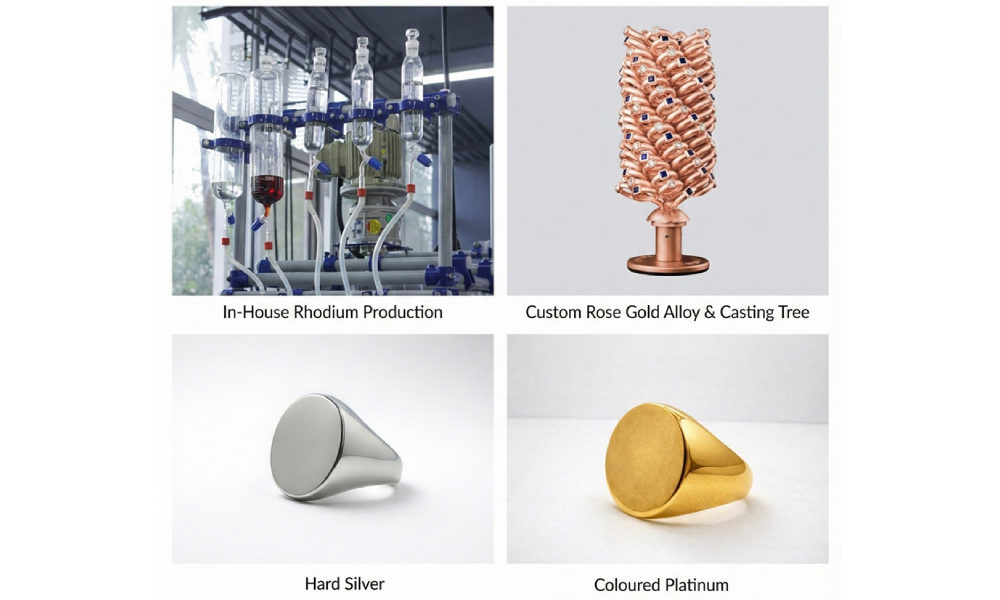
Rakesh Jangid, Chief Technology Officer, Precious Alloys Pvt. Ltd., highlights how alloy science, process control, and material efficiency are influencing production consistency and cost management.
How has alloy development influenced jewellery manufacturing in India over the past two decades?
Alloy development has become a quiet but decisive factor in improving consistency, colour control, and casting reliability. It has shifted attention from visual design alone to the materials and processes that determine repeatable outcomes and lower metal loss.
What gap did specialised alloy manufacturers aim to address when they entered the market?
The early focus was on giving Indian jewellery manufacturers greater control over inputs. Instead of relying on generic formulations, the emphasis moved to alloys and processes customised to real production conditions across different scales of manufacturing.
How is technology reshaping jewellery manufacturing today?
CAD, CAM, 3D printing, and machine-led production are pushing the sector towards data-driven workflows. Over time, real-time metal tracking, jewellery-specific ERP systems, and tighter quality control are expected to become routine, improving predictability without diluting craftsmanship.
Why is demand rising for 14KT jewellery with a 22KT colour appearance?
High gold prices are encouraging lighter and more affordable jewellery. The challenge lies in maintaining the richer 22KT colour, making alloy engineering central to ensuring visual consistency and durability at lower gold content.
What design approaches help reduce metal weight without changing the look of jewellery?
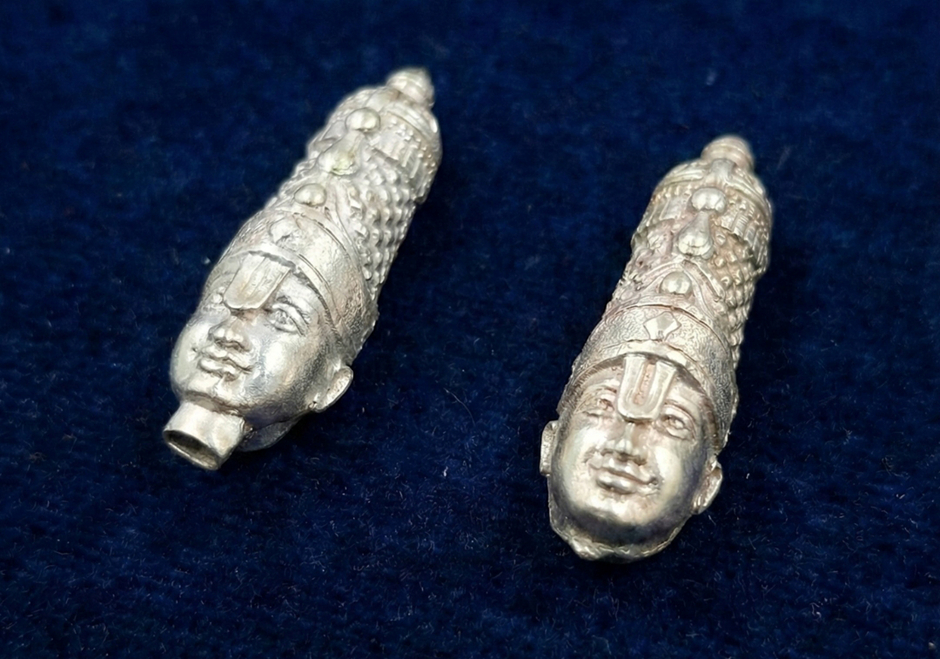
Controlled hollow construction, intentional use of negative space, and precise casting allow manufacturers to retain external dimensions while lowering metal usage. These methods rely on close alignment between design, metallurgy, and process control.
What role do custom alloy formulations play in modern manufacturing?
Custom formulations help address specific issues such as porosity, flow, hardness, and colour stability. Their value is measured in fewer rejects, reduced rework, and more predictable production costs rather than novelty.
The most meaningful gains come from improving melting, casting, and recovery stages. Better control in these areas, combined with optimised crucibles and cleaner input chemistries, helps cut wastage and stabilise output.
Are these alloys patented by you?
Some of our proprietary formulations (including parts of the Bharat Series) are protected as trade secrets under confidentiality, which is often more practical in precious metals than public patent disclosure. Separately, through our Legor partnership, we have access to patented European chemistries that we adapt for Indian production conditions.
How is sustainability being addressed within manufacturing processes?
Sustainability efforts focus on recycled metal inputs, eco-compliant chemistries, and cleaner processes that reduce waste while maintaining
performance and consistency. Beyond craftsmanship, digital comfort, materials awareness, and process discipline are becoming essential. Teams that can read data, understand material behaviour, and standardise outcomes are better equipped to scale reliably.
Since how long have you been participating in IIJS and has it helped your company grow?
We’ve been participating in IIJS since 2007. This year, the strongest interest was around rhodium alternatives, platinum grains, and smarter casting, which reinforces that our Make-in-India direction, backed by R&D and global partnerships, is aligned with where the industry is headed.
What broader shift does this reflect in the Indian jewellery industry?
India’s jewellery industry is at an inflection point, our craftsmanship is world-class, now the next leap is precision, repeatability, and global standards.
We’re building that foundation through India-first capability, from platinum and plating solutions to a stronger materials ecosystem, backed by R&D-led technical support that stays with you from trial to scale. And yes, we’re just getting started.