
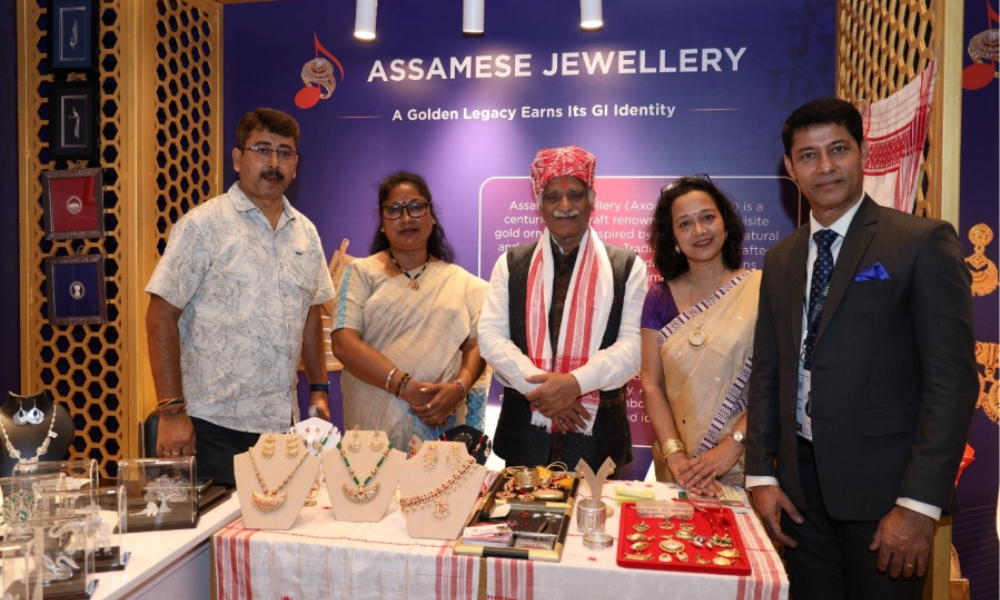
At IIJS Bharat Premiere, the second-edition of GI-Tagged Jewellery Pavilion, held this time at JWCC, celebrated India’s rich jewellery-making traditions and their enduring influence on contemporary design. In the first part of our series, we turn the spotlight on Assamese Jewellery—a centuries-old craft renowned for its intricate goldwork, nature-inspired motifs, and deep cultural significance, reflecting the artistic heritage of the Northeast.
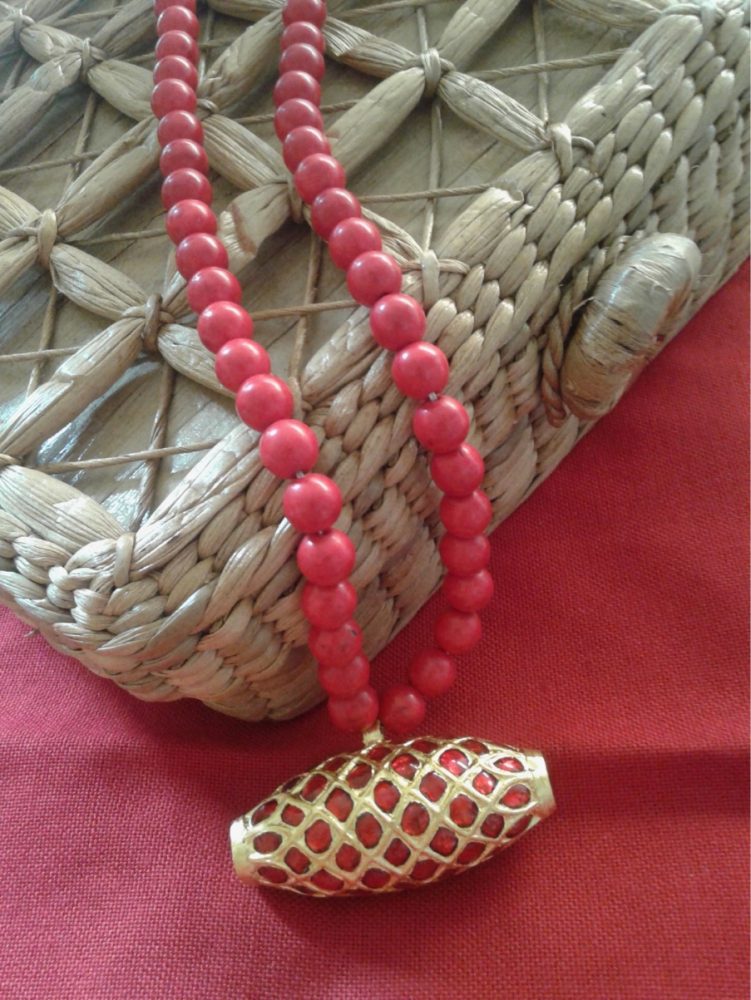
Steeped in history and shaped by generations of skilled artisans, Assamese jewellery—known locally as Axomiya Gohona—has been a symbol of the state’s cultural identity.
The origins of Assamese jewellery date back over a thousand years, when gold was sourced from the sands of rivers such as the Subansiri and transformed into ornaments by master goldsmiths. In 2025, this centuries-old craft received a significant boost with the award of the Geographical Indication (GI) tag, recognising its distinctive craftsmanship and safeguarding its authenticity for future generations.
During the reign of the Ahom dynasty in the late-medieval times, gold dust was abundantly found in the sands of different rivers of the state, especially in the Subansiri River, a major tributary of the Brahmaputra. As a result, the art of gold-washing and jewellery making flourished in the region. Gold-washing became an important source of occupation for the Sonowal Kacharis (Son or Xon in Assamese means gold, and a goldsmith is called a Sonari.)
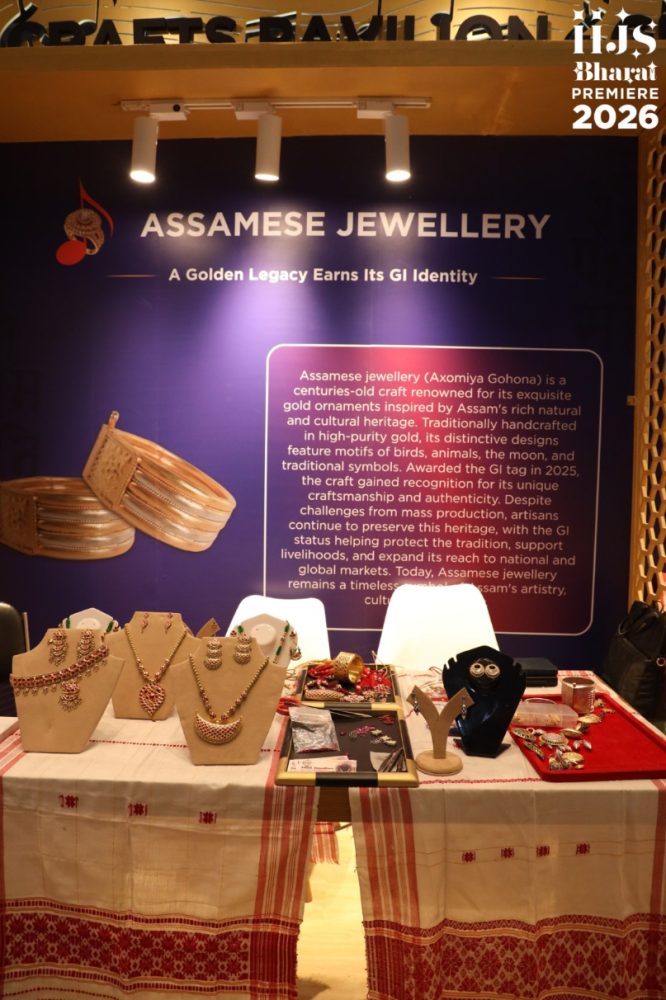
Several famous families in Assam, including the Bordolois of Jorhat, the Banias of Nagaon, and the Das of Barpeta, practice this craft form. They draw inspiration from the flora and fauna of the region and its cultural heritage, jewellery often featured birds, grains, animals, musical instruments like dhol (drum) and Japi (conical handmade headgear). The bright yellow gold jewels, ornamented with enamel and vibrant red, black, green, blue and white gemstones became its distinctive feature. Jon-Biri is inspired by the crescent moon; Lokaparo features two fan-tailed pigeons designed back-to-back; while Jethi-Pota resembles a lizard’s paws.
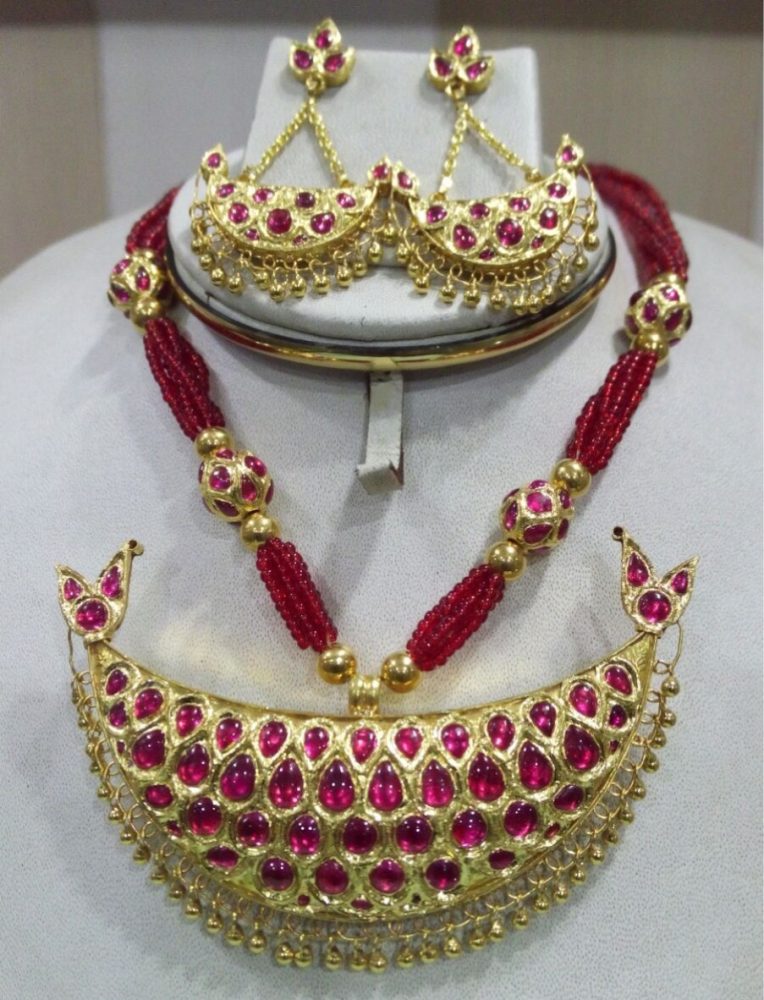
Traditionally handcrafted in high-purity gold (22-karat and above) the jewellery reflects Assam’s close relationship with nature.
However, with India’s rapid technological advancement and the rise of modern manufacturing techniques, handcrafted jewellery is gradually taking a back seat, bringing this traditional art form to the brink of extinction. Although numerous revival efforts have been made, the recent GI tag marks a significant milestone in preserving and honouring this traditional craft.
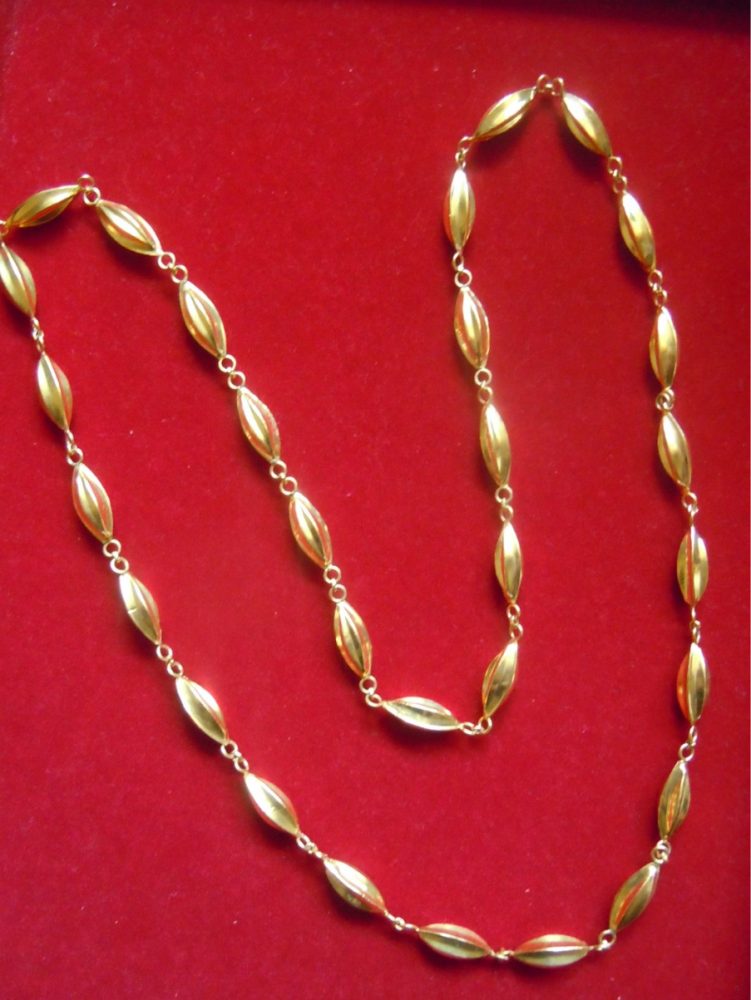
The GI recognition will go a long way in playing a transformative role for the craft. Besides protecting Assamese jewellery from imitation, it provides legal recognition to authentic producers, enhances consumer confidence and creates opportunities for artisans to access wider national and international markets. It also reinforces the value of preserving a handmade tradition in an era increasingly dominated by mass production.
Assamese jewellery is a living symbol of heritage—one that continues to evolve while remaining firmly rooted in the traditions, artistry and cultural pride of Assam.